Vietnam has expanded a nationwide campaign against counterfeit goods and intellectual property violations, as authorities seek to address long-running concerns over the country’s role in the trade of fake luxury and branded products.
The enforcement drive, launched by the government on 7 May, covers counterfeit merchandise, trademark violations, online piracy and other breaches of intellectual property rules. It follows mounting scrutiny from international trade partners, particularly the United States, and has brought new attention to the informal retail networks that operate in major Vietnamese cities.
Earlier this year, police raided two warehouses on the outskirts of Ho Chi Minh City and found more than 23,000 pairs of slippers carrying the logos of brands including Nike, Adidas, Crocs and Gucci. Authorities said the goods were counterfeit and valued the seizure at VND 2bn, about £57,500.
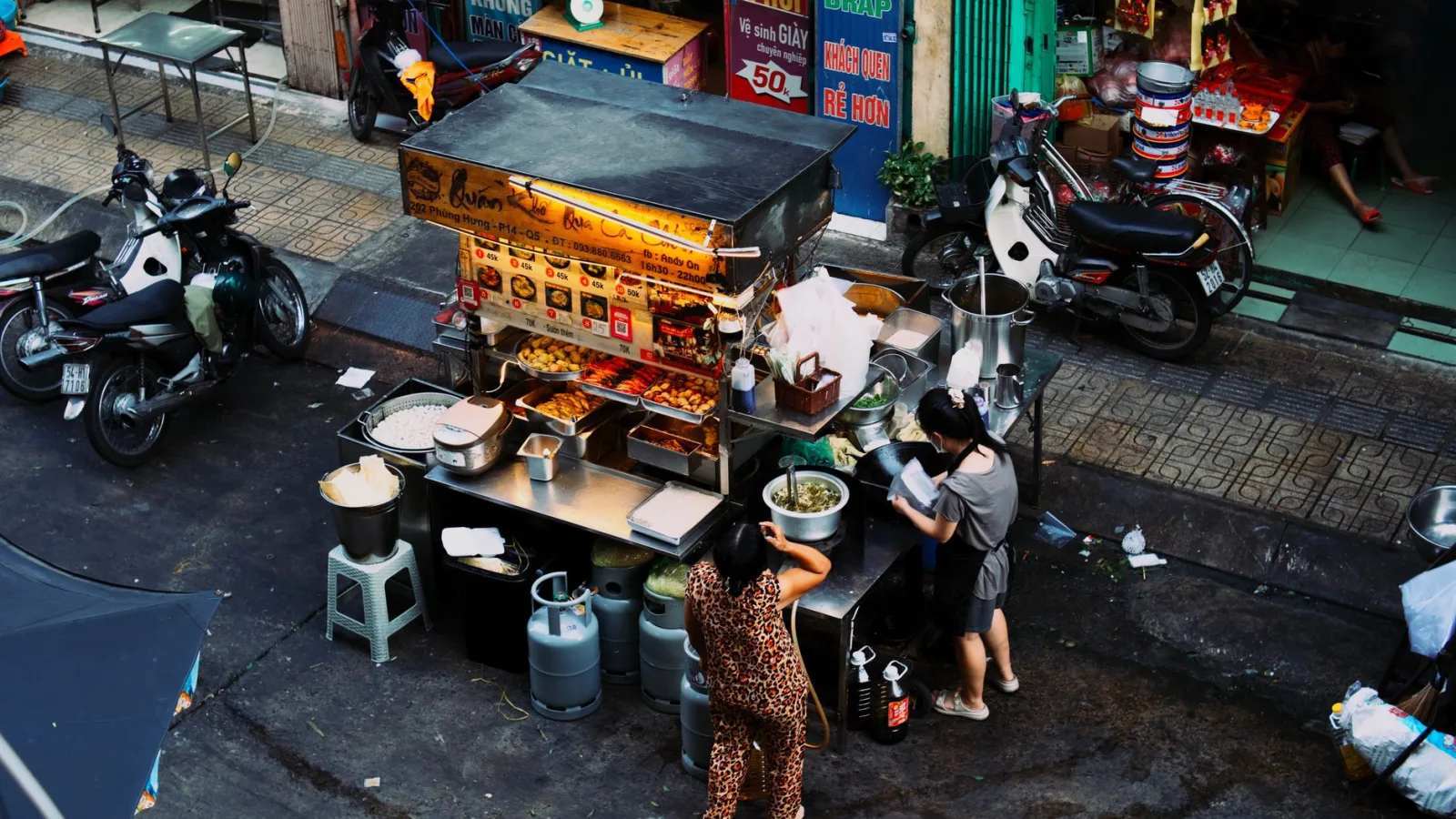
Similar products remain visible in parts of the city’s retail economy. In tourist areas and informal markets, imitation designer footwear, handbags, watches and clothing are sold at a fraction of the price charged by luxury brands abroad. Some items copy products that retail overseas for hundreds of dollars, while local versions can be offered for tens of dollars.
Vietnam has for years been regarded as a significant market for counterfeit fashion and consumer goods. Enforcement action is not new, and police and market inspectors have periodically staged raids on stalls, shops and warehouses. But the latest campaign appears broader and more sustained, with authorities reporting a sharp rise in cases handled during May.
In April, the Office of the United States Trade Representative placed Vietnam in its highest concern category for intellectual property enforcement, citing what it described as a persistent failure to address long-standing problems. The designation increased pressure on Hanoi at a time when trade tensions and tariff risks have become more prominent in Vietnam’s export-led economy.
Vietnamese authorities subsequently pledged to increase action against intellectual property violations by at least 20 per cent in May compared with the same period last year. In the final three weeks of that month, officials reportedly handled more than 1,400 infringement cases.
One focus has been Ho Chi Minh City’s Saigon Square and nearby Ben Thanh Market, two well-known shopping areas used by local customers and visitors. After surprise inspections in mid-May, officials confiscated counterfeit products and issued fines totalling more than $19,000.
Vendors in those markets have long adapted to enforcement. One clothing seller at Saigon Square, identified by the BBC under the pseudonym Thanh Truc, said inspections had become stricter, but that business often resumed after raids. She said some shops had reduced the number of branded items on display while keeping stock out of sight.
The supply chain behind many counterfeit products is complex. Traders and analysts say much of the merchandise enters Vietnam from China, where many items are manufactured or assembled before being distributed to wholesalers and smaller retailers. Vietnam’s proximity to Chinese production centres has helped support a market in low-cost imitation goods.
The issue is also linked to legitimate manufacturing networks. International brands frequently rely on Asian supply chains for materials, stitching, assembly and finishing. Skills, equipment and components used in legal production can also be diverted or replicated in informal channels, making enforcement more difficult for authorities.
The campaign has extended beyond Ho Chi Minh City. On 10 June, police in Thanh Hoa province said they had dismantled a network accused of producing and selling more than 10,000 counterfeit jewellery items. The products imitated brands including Bvlgari, Cartier, Louis Vuitton and Tiffany & Co, and authorities estimated the group’s illicit profits at about $1.14m.
Police have also targeted warehouses, clothing outlets and trainer shops, while some market stalls in Ho Chi Minh City and Hanoi have been closed. The government has presented the operations as evidence of stronger enforcement, though the durability of the crackdown remains uncertain.
The measures have drawn mixed responses inside Vietnam. For independent designers and small manufacturers, counterfeit goods are seen as unfair competition that undermines original work and depresses prices. Thi Nguyen, who designs and sells clothing in Ho Chi Minh City and Da Lat, told the BBC the counterfeit trade made the retail market disordered and reduced appreciation for skilled tailoring and embroidery.
She said customers were often willing to pay more for a fake designer dress than for a locally made garment using quality fabric. With some counterfeit sellers under pressure, she said she was preparing to invest more in her own business and felt more confident operating in a clearer retail environment.
For consumers, however, the market is shaped by income and access. Vietnam remains a country where many households have limited purchasing power, and official and academic sources cited in the reporting note that average monthly income is around $225, while about 60 per cent of the population lives in rural areas. For many buyers, genuine luxury goods are far beyond reach.
Huy, an office worker in Da Nang who buys imitation football shirts and shoes, told the BBC that enforcement against sellers would not necessarily change consumer behaviour. He said fake goods were cheap, convenient and widely available, and that he would continue buying them if they remained accessible.
Thi Thanh Huong Tran, an associate professor at SKEMA Business School who studies ethical consumption and grew up in Vietnam, said the strength of the counterfeit market was closely connected to economic conditions. She argued that many low-income consumers are not potential buyers of authentic luxury goods, meaning that removing counterfeit products would not automatically translate into sales for international brands.
That distinction is important for understanding the social impact of the crackdown. While intellectual property enforcement is central to trade relations and formal investment, the counterfeit economy also supports informal livelihoods, from wholesale distribution to market stalls and factory work. Restrictions can therefore affect workers and small traders as well as brand owners.
Authorities also face practical limits. Sellers can alter designs, change names or remove obvious logos to reduce the risk of legal action while still signalling a connection to well-known brands. Such tactics make it harder for inspectors to prove infringement and allow parts of the market to adapt rather than disappear.
The United States has continued to scrutinise Vietnam’s enforcement record. In late May, Washington opened an investigation into whether Vietnam’s handling of intellectual property violations was unreasonable or harmful to US commerce. The outcome could have implications for a trading relationship that is important to both countries.
Vietnam’s crackdown therefore sits at the intersection of trade policy, domestic regulation and everyday consumer practice. Stronger enforcement may help address international concerns and support local designers, but the demand for affordable branded-style goods remains substantial. Unless incomes, consumer expectations and informal supply chains shift together, counterfeit markets are likely to remain a persistent challenge for Vietnamese authorities.