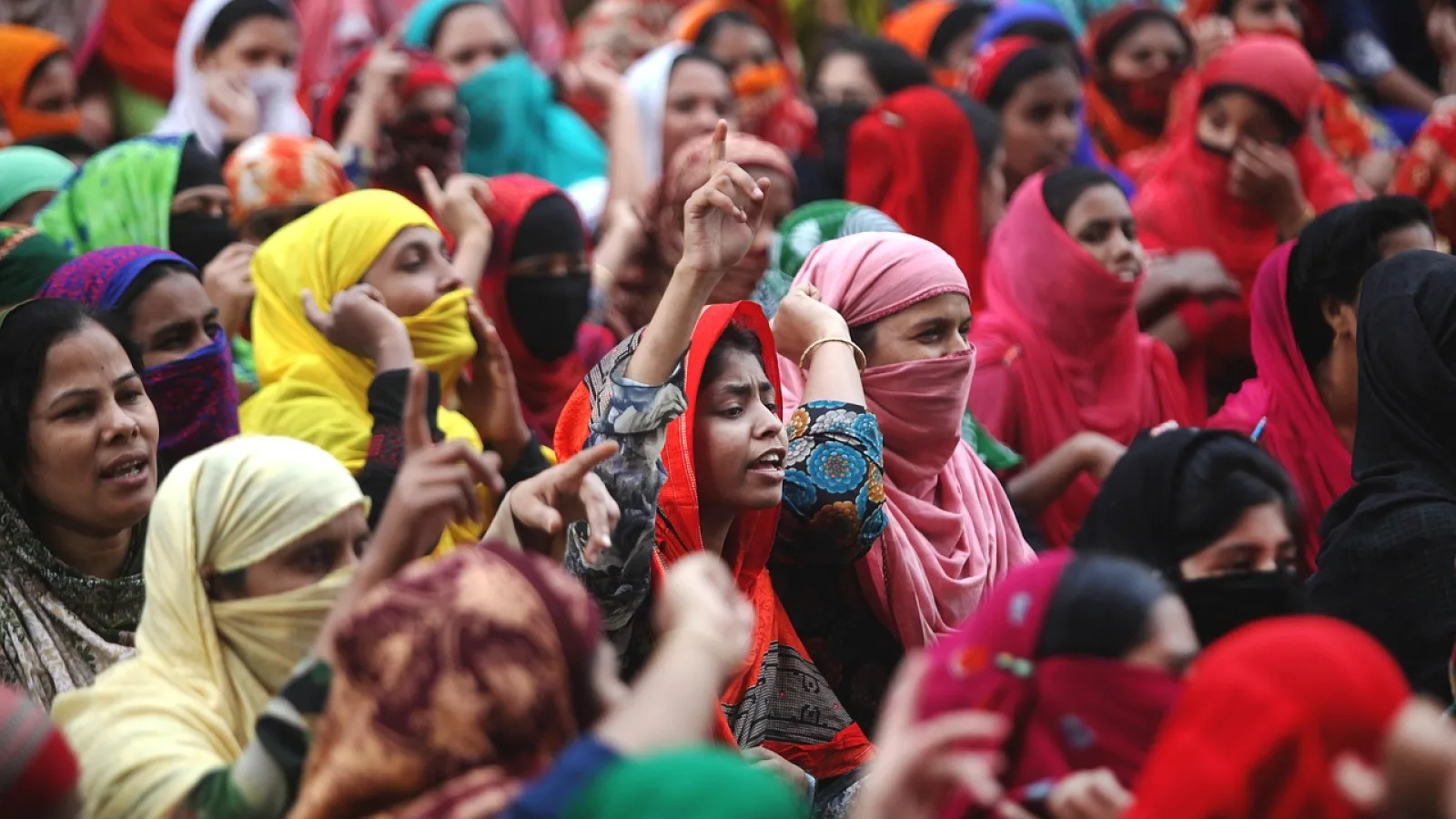
The United Nations has warned that falling humanitarian funding could significantly worsen conditions for hundreds of thousands of Rohingya refugees living in camps in Bangladesh, raising concerns about food security, health services and long term regional stability.
Officials say international support for the refugee response has declined as governments and aid organisations face competing demands from crises around the world. The funding shortfall threatens programmes that provide food, healthcare, education and protection services for displaced families who remain unable to return safely to Myanmar.
The warning highlights the continuing challenges facing one of the world's largest refugee populations nearly a decade after large scale displacement began.
Growing pressure on humanitarian operations
More than one million Rohingya refugees are currently living in Bangladesh, with most residing in camps in Cox's Bazar near the border with Myanmar.
Humanitarian agencies have relied on international donor support to provide basic services, but aid officials say available funding has failed to keep pace with growing needs.
The United Nations has warned that further reductions could force agencies to scale back assistance, leaving vulnerable communities at greater risk of malnutrition, illness and insecurity.
Aid workers also caution that prolonged funding shortages can weaken education programmes, support services for women and children, and efforts to improve living conditions in overcrowded settlements.
A crisis with regional implications
The Rohingya crisis remains a significant humanitarian and diplomatic challenge across South and Southeast Asia.
Bangladesh has repeatedly called for greater international support, arguing that hosting such a large refugee population places considerable pressure on local infrastructure, public services and resources.
Regional governments and international organisations continue to seek long term solutions, but progress towards the voluntary and safe return of refugees to Myanmar remains limited.
The situation has become more complicated following continuing instability inside Myanmar, where conflict and political tensions have reduced prospects for large scale repatriation in the near future.
Food security and health concerns
Humanitarian agencies say food assistance remains one of the most urgent priorities.
Previous funding shortages have already led to reductions in food support, forcing many families to rely on limited resources and informal work opportunities.
Health services also face increasing pressure. Clinics operating inside refugee camps provide essential treatment, vaccinations and maternal healthcare, but their ability to maintain services depends heavily on continued donor support.
Aid organisations warn that reductions in healthcare funding could increase risks for vulnerable groups, particularly children, older adults and people with chronic health conditions.
International support remains critical
The United Nations is urging governments, development partners and international donors to maintain commitments to the Rohingya response despite growing pressure on global aid budgets.
Officials argue that sustained support is essential not only for humanitarian reasons but also for regional stability and security.
Without adequate funding, humanitarian agencies fear conditions inside the camps could deteriorate further, increasing hardship for refugee communities and placing additional strain on host communities in Bangladesh.
What happens next
The coming months are expected to be critical for aid agencies operating in the camps.
Humanitarian organisations continue to seek additional funding while working with Bangladesh and international partners to maintain core services.
The United Nations says the Rohingya crisis remains one of the world's largest displacement emergencies and warns that reduced international attention could leave vulnerable populations facing even greater uncertainty.
For now, aid officials stress that continued international engagement will be essential to prevent further deterioration in living conditions while longer term political solutions remain out of reach.