Venezuela marked its 215th Independence Day on Sunday under the shadow of a major humanitarian emergency, as the government reported that more than 3,300 people had died in the twin earthquakes that struck the country on June 24.
Interim President Delcy Rodriguez used a military ceremony for the national holiday to defend the state’s response and reject suggestions that anger over the disaster could develop into wider unrest. “There will be no social unrest here,” Rodriguez said. “What we have here is deep social solidarity.”
The comments came as the Ministry of Communication and Information said 3,342 deaths had been recorded so far, with the toll expected to rise. Officials also reported 16,470 injuries and said 17,345 people had been left without homes. Thousands remain missing.
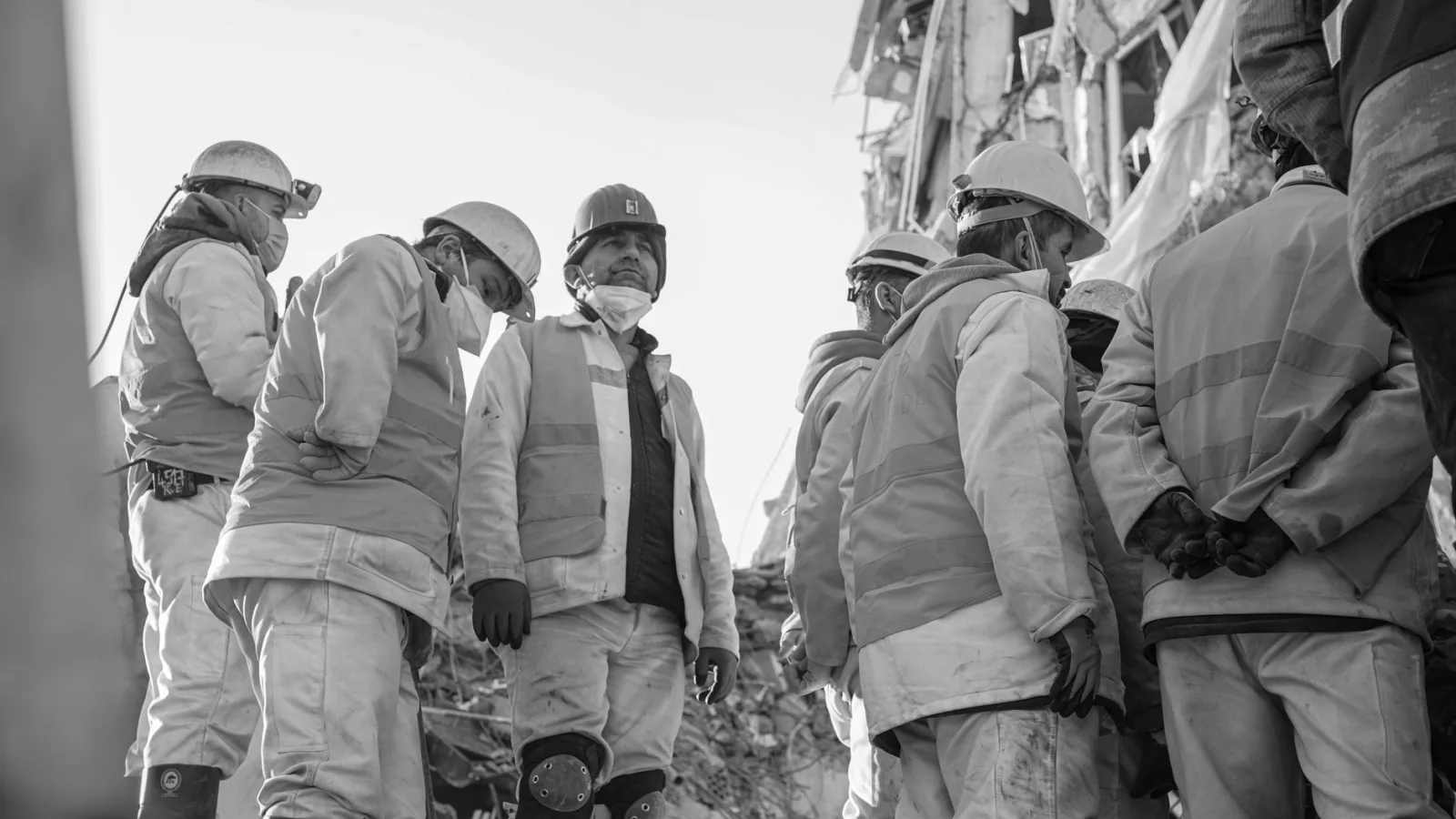
The earthquakes, measured at magnitudes of 7.2 and 7.5, caused severe destruction along Venezuela’s northern coastline. La Guaira and parts of the Caracas metropolitan area were among the areas reported to have suffered extensive damage, with buildings levelled and public services disrupted.
The disaster is the deadliest earthquake event in Venezuela in a century and the country’s worst natural catastrophe since the 1999 flash floods. Its scale has placed immediate pressure on a government already facing deep political divisions, strained public institutions and a fragile economic recovery.
Residents in some affected areas have reported delays in the arrival of official aid, while critics of the government have accused state agencies of failing to coordinate relief effectively. Some opposition figures have also alleged that the authorities have slowed or obstructed foreign assistance, though the government has rejected accusations that it is mishandling the response.
Rodriguez told the Independence Day gathering that opponents were trying to use the disaster to undermine public institutions. “Attempts are being made today to attack Venezuelan institutions,” she said. “There can be no room for any kind of conspiracy, internal or external, from whatever source it may come.”
The earthquakes are the first major national emergency to confront Rodriguez since she became acting president in January. She had previously served as vice president under Nicolas Maduro, whose removal from power by a United States military operation at the start of the year reshaped Venezuela’s political landscape. Maduro is now facing trial in New York on drug and weapons related charges.
Since assuming office, Rodriguez has sought to maintain working relations with US President Donald Trump’s administration. Her government has introduced changes in the mining and fuel sectors, including reforms to allow wider foreign investment in industries long controlled by the state.
The Trump administration has continued to support Rodriguez despite growing criticism of the disaster response. Media reports have said Washington has also rejected repeated requests from opposition leader Maria Corina Machado for assistance in returning to Venezuela.
Machado left Venezuela secretly in December to receive the Nobel Peace Prize, after spending a period in hiding during Maduro’s rule because of concerns that she could be detained for her political activity. She has said she wants to return to help with relief efforts, but remains outside the country.
Her political movement, Vente Venezuela, has organised a separate volunteer network to gather donations and deliver supplies. The effort has added another political dimension to the relief operation, as government and opposition groups seek to demonstrate their ability to respond to public needs after the disaster.
In her own Independence Day message, Machado drew a comparison between Venezuela’s anniversary and the United States’ commemoration of its Declaration of Independence. She said the two countries were linked by “republican ideals” and a shared commitment to democratic principles.
Machado has continued to press for new elections, arguing that the opposition was denied power after the 2024 presidential race. Maduro claimed a third term in that vote, but published tallies indicated that opposition candidate Edmundo Gonzalez, a Machado ally, had won.
Her message also renewed her call for a coordinated political strategy against the current authorities. “Enduring alliances are built on truth and trust,” she wrote, adding that it was time to pursue what she described as a decisive phase for Venezuela’s democratic movement.
The immediate priority for many Venezuelans, however, remains rescue, shelter and the restoration of basic services. As the country observes a national anniversary usually framed around independence and sovereignty, the government faces an urgent test of its capacity to manage a disaster whose human and political consequences are still unfolding.