
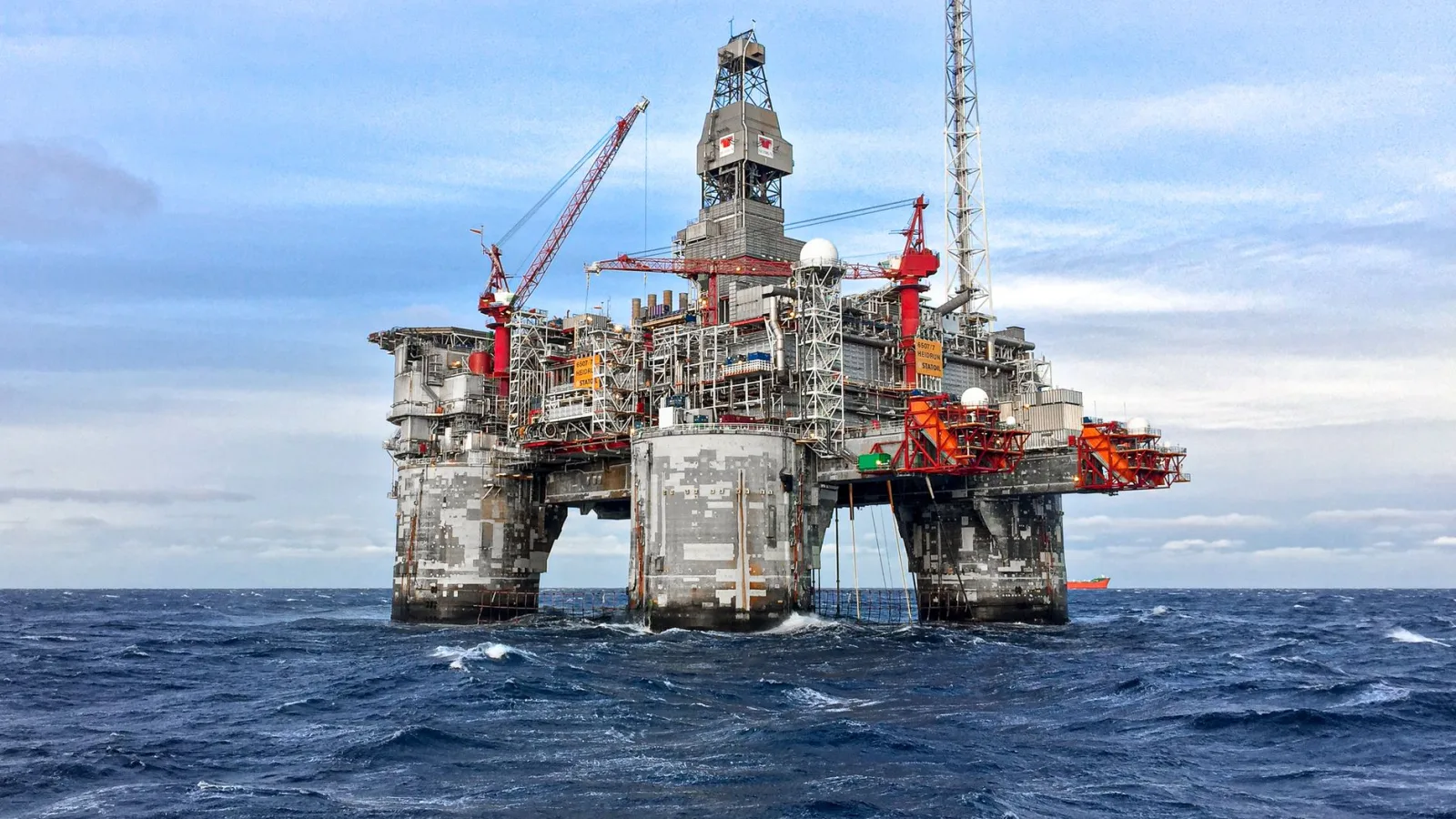
BP has begun a formal process to sell its UK North Sea oil and gas business, a move that could bring to a close six decades of production by the company in one of Britain’s most important offshore energy regions.
The company said on Friday that it had started marketing the business for a potential sale. The decision forms part of a broader effort under its new chief executive, Meg O’Neill, to simplify BP’s portfolio and reduce debt.
A sale would be significant for the UK’s offshore energy sector, which has been shaped by North Sea production since the 1960s. The basin remains a source of oil and gas for the domestic market, while also supporting engineering, marine services, logistics, maintenance and other supply chain work linked to offshore operations.
O’Neill said BP still viewed the North Sea as important to the UK’s energy system, but argued that the assets may be better placed under different ownership as BP directs investment towards areas it considers higher value. She said the UK would continue to be important to the company’s future.
BP’s history in the North Sea began in 1964, when it received its first UK licence for the area. The company discovered the West Sole gas field in 1965 and later made its largest regional discovery, the Forties field, in 1970. Those developments helped establish the North Sea as a central part of Britain’s postwar energy infrastructure.
The potential exit comes at a sensitive time for UK energy policy. The North Sea is a mature basin, with many fields past peak output, but it remains relevant to national energy supply and to industrial employment in coastal and offshore service communities. Successive governments have had to balance declining production, energy security, climate commitments and the future of workers in the sector.
Any sale process is likely to be watched closely by the government, regulators, unions, suppliers and regional authorities. Offshore assets are not only production sites; they are linked to pipelines, ports, vessels, inspection services and specialist contractors. Changes in ownership can affect investment plans, maintenance schedules and long term decisions on decommissioning.
Energy secretary Miatta Fahnbulleh said she was in close contact with BP about its plans. She described the North Sea as a vital national asset and said oil and gas would remain part of the UK energy mix for years. Fahnbulleh said her priority was protecting workers and local communities during the sale process.
The announcement followed comments by Andy Burnham, who said a day earlier that he would take a pragmatic approach to further oil and gas drilling in the North Sea. He said the government could not disregard the potential energy resources still held in the region.
Market reaction focused on what the sale says about BP’s priorities and the outlook for UK offshore policy. Chris Beauchamp, chief market analyst at the investing and trading platform IG, described the move as a “watershed moment” and said it suggested BP was unwilling to wait for a shift in UK energy policy before reallocating resources.
O’Neill became BP chief executive on 1 April. Less than two months later, the company removed its chair, Albert Manifold, citing serious concerns about governance standards, oversight and conduct. The North Sea sale process now adds to a period of rapid corporate change at the company.
BP has not announced a buyer or confirmed that a transaction will be completed. The process could involve commercial negotiations, regulatory scrutiny and detailed assessment of liabilities attached to mature offshore assets. For the UK, the outcome will matter not only for production volumes, but also for the infrastructure and workforce that continue to support North Sea energy operations.