Oil prices have surged to $100 (£74) a barrel for the first time since July, driven by escalating military actions in the Gulf region involving the United States, Iran, and the Houthi movement in Yemen.
Brent crude, the international benchmark, saw its price rise to $100.70 on Wednesday afternoon, marking a 2.83% increase compared to Tuesday. This contrasts sharply with prices of approximately $70 (£52) a barrel recorded in February, prior to the onset of the US and Israel's war with Iran.
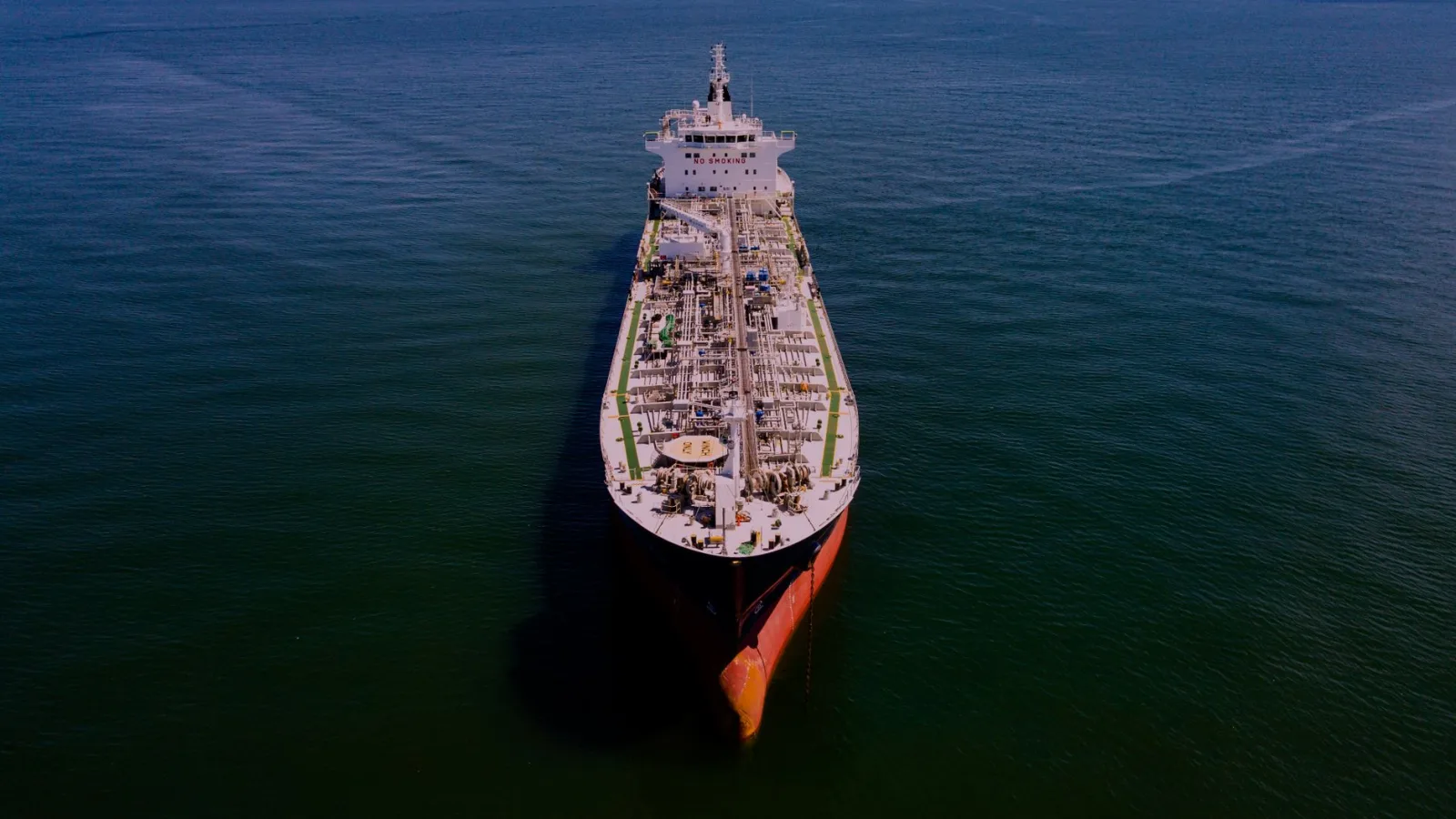
The latest price hike follows a series of reciprocal strikes. The US military's Central Command (Centcom) stated early on Wednesday that its forces had destroyed five Iranian oil tankers. Four of these tankers—Kaviz, Charminar, Horizon 1, and Riesco—were linked to Iran's Islamic Revolution Guard Corps (IRGC) and were struck in the Gulf of Oman. A fifth vessel, the Derya, was targeted near Kharg Island, home to Iran's primary oil export terminal in the northern Gulf.
Centcom reported that the crews of the Iranian vessels were directed to abandon ship before the strikes were carried out. The US military described these actions as retaliation after the IRGC allegedly launched ballistic missiles at a US warship in the region twice within two days. Centcom affirmed that the warship "successfully evaded" the missiles and no American personnel were injured.
In response, Iran's Revolutionary Guards claimed to have attacked eight tankers and two warships. The IRGC's Aerospace Force also stated it had launched missiles at US maintenance facilities, hangars, and aircraft at Muwaffaq Salti Air Base in Jordan overnight in direct retaliation for the US strikes. Jordan's armed forces subsequently reported intercepting 20 Iranian missiles, with two additional missiles falling in unpopulated areas. No casualties were reported in Jordan.
The IRGC's naval branch further asserted that it had attacked two US Navy destroyers and eight oil tankers in the Strait of Hormuz, claiming to have inflicted "heavy damage" on these vessels. However, Centcom subsequently denied these claims, stating that the assertion of IRGC striking two of its warships was false.
The rising tensions have significantly impacted vital shipping lanes. Prior to the recent conflict escalation in February, the Strait of Hormuz, a crucial waterway in the Gulf, typically facilitated the passage of 20% of the world's oil and liquefied natural gas (LNG) shipments. However, Iranian missile and drone attacks on commercial shipping, coupled with a US naval blockade of Iranian ports, have resulted in the effective closure of the strait.
Further concerns over maritime safety were raised by the UK Maritime Trade Operations agency (UKMTO), which reported that several merchant vessels in the northern Gulf and the Gulf of Oman had been subjected to "disabling fire as part of ongoing military activity in the region." The UKMTO also noted a vessel approximately 24 nautical miles (45km) north-west of Port Rashid in the United Arab Emirates was observed "listing while at anchor, possibly indicating water ingress following an attack from an unknown projectile."
Iraqi authorities also confirmed extinguishing a fire on the Panama-flagged tanker New Andros, which was reportedly carrying two million barrels of fuel oil when it was hit by a drone in the Gulf.
Adding to the maritime concerns, IRGC spokesman Hossein Mohebi told Iranian state television on Wednesday afternoon that Iran would soon announce the coordinates for a new "prohibited zone." This zone, he specified, would encompass "part of the Sea of Oman and another part of the Arabian Sea, along the route that can lead to the Strait of Hormuz." Mr Mohebi warned that "If a vessel enters that area without co-ordination, it will be subject to our sanctions."
Meanwhile, the Iran-backed Houthi group has continued its attacks on Saudi energy infrastructure and tankers in the Red Sea, an activity that has intensified since a four-year ceasefire in Yemen began to unravel in July. On Tuesday, Houthi forces launched dozens of drones and missiles at civilian and economic sites in the southern Saudi cities of Abha, Khamis Mushait, Jazan, and Najran. Saudi authorities reported that these attacks injured 73 civilians and caused fires at oil facilities, leading to a temporary halt in operations.
In response, Saudi Arabia has conducted its own strikes. The Houthis reported more than 50 Saudi air strikes across territories they control in the provinces of Marib, Jawf, Taiz, Hudaydah, Saada, and Bayda on Wednesday. There was no immediate comment from the Saudi military regarding these claims.
The conflict in Yemen has also seen heavy fighting on the south-western coast since Thursday. Houthi forces launched an offensive against Saudi-backed Yemeni pro-government forces, aiming to seize control of the strategically important Bab al-Mandab Strait, which connects the Red Sea to the Gulf of Aden. Reports indicate that more than 500 people have been killed and nearly 20,000 displaced as a result of this intensified fighting.
Addressing the ongoing hostilities, US Secretary of State Marco Rubio commented on Tuesday during a trip to Colombia, stating that the situation was "pretty straightforward." Mr Rubio added: "Iran continues to try to hit US naval ships. And, for every time they do that or try to do that, they're going to lose tankers. And I think you'll see that again today."
Earlier in the week, Iran's Navy had claimed to have seized an uncrewed US submarine in the Strait of Hormuz. However, US Navy Capt Tim Hawkins, a spokesperson for Centcom, countered this, explaining that an "underwater drone operated by US forces malfunctioned more than a day ago" and had been deployed to survey regional waters.
The cumulative effect of these rising oil costs is already manifesting in increased petrol prices globally for motorists.