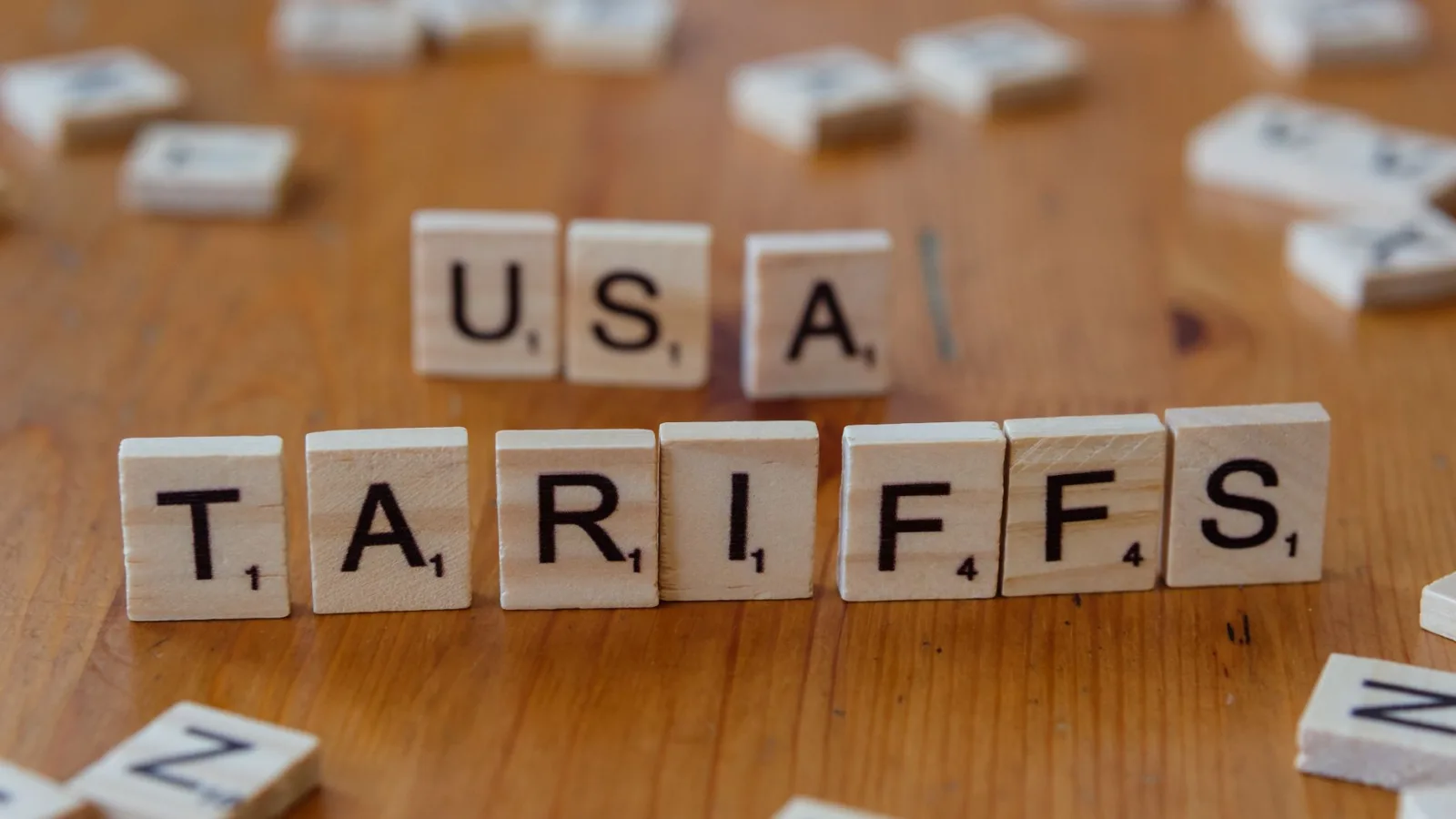
Trade negotiations between the United States and Canada collapsed over the weekend, triggering a fresh round of tariffs between the two neighbours and reigniting questions about the limits of American economic pressure under President Donald Trump.
The talks unravelled just two days after US Vice-President JD Vance was reportedly recorded telling a private fundraiser that Canadian Prime Minister Mark Carney was a "very sweet guy" who liked to "puff his chest out" and claim he would "out-tough" Trump, only for Canada to "climb down on a lot of issues" in the end. The remarks, leaked to the Canadian Press, received wide coverage in Canada and are thought to have soured the atmosphere around the negotiations, though they were not confirmed as the direct cause of their collapse.
Carney's decision to withdraw Canadian negotiators abruptly ended discussions over a new trade agreement and set off retaliatory tariffs between the two countries, which conduct more than $872bn (£640bn) in bilateral trade annually.
The rupture is the latest sign of a Trump administration prepared to apply pressure on allies as well as adversaries, and it has again raised questions about how far such tactics can succeed. If the administration expected Canada to yield in the way some other US allies have during the past 19 months, that assumption may have proved mistaken — with consequences that could shape the remainder of Trump's term.
Tensions between Washington and Ottawa are not new. They trace back to the first Trump administration and the negotiations that produced the USMCA, the agreement that replaced the North American Free Trade Agreement. Personal friction between Trump and then-prime minister Justin Trudeau added to the strain, with Trump referring to Trudeau as "governor" and to Canada as a potential "51st State" as he prepared to return to office in late 2024.
That approach reflected a broader view within the administration of the US as a hemispheric power entitled to exert influence over its immediate region, including Canada. Officials have argued that Canada contributes too little to regional defence while benefiting disproportionately from trade with the US. Given that Canada and Mexico are among America's largest trading partners, both became early targets of the administration's trade strategy.
"If you listen to really anybody in state, treasury, or commerce [departments], you will hear the phrase 'economic security is national security'," said Drew DeLong, head of corporate statecraft at the Kearney Foresight think tank.
Trump's attention shifted away from Canada earlier this year towards military interventions in Venezuela and the Middle East, even as North American trade talks continued in fits and starts. Across regions, however, the administration's broader approach has remained consistent: presenting the US as a dominant power able to impose its will for national advantage.
That power has limits, and Trump's second term has repeatedly tested where those limits lie. While a shooting war in Iran and a trade dispute with Canada are very different situations, analysts say the underlying dynamic is similar: a US counterpart with far less overall power but retaining some means of retaliation. Iran's leverage has included the ability to threaten global shipping routes such as the Strait of Hormuz. Canada is now testing its own capacity to inflict economic pressure, with this week's targeted tariffs described as a first step. Further measures could include restricting US access to Canadian energy and critical minerals, alongside consumer boycotts of American goods.
"As the broader world shifts into a more economic security theatre, you see this game of chokepoints and leverage angles continue to pan out across supply chains," DeLong said, adding that countries simply have to identify where such leverage exists.
Clear routes to resolution remain limited for now. Trump has continued to accuse Canada of "ripping off" the US, while Ontario Premier Doug Ford responded by telling the American president to "kiss my ass". Imran Bayoumi, deputy director of the GeoStrategy Initiative at the Atlantic Council, said pushing allies away could have unintended consequences. "Every time we push allies and partners away, I think we incentivise them to look for new relationships and new partnerships rather than trying to acquiesce to US demands," he said.
There is still time for the dispute to be resolved. Canada's new tariffs take effect in two weeks, while the most significant US measure — a 50% tariff on Canadian-built vehicles and auto parts — is not due to begin until early 2027. That gap gives both sides room to resume talks, which had reportedly been making some progress before Friday's breakdown.
A more immediate pressure point is November's US midterm elections. Democratic gains in Congress could constrain Trump's authority, while Republican success could embolden him further. Ottawa appears to be betting that concern over the political impact in industrial states such as Michigan and Ohio will push Trump towards compromise before votes are cast.
"I don't think there's the kind of internal political divisions in Canada that maybe the Trump administration would have expected," Bayoumi said. "I think Carney has a lot of political runway to really get a good deal for Canada and not settle for anything less."
Carney has also suggested Canada may continue to diversify away from reliance on the US altogether. "We cannot depend on traditional alliances when the rules of the game have fundamentally changed," he has said previously. While geography ensures the two countries remain closely linked, the deeply integrated economic relationship built up in recent decades may be shifting.
Canada's position contrasts with Mexico's, which appears to be pursuing closer economic integration with the US. Other trading partners, including allies in Europe and Asia, are said to be watching Canada's more assertive stance as a possible model for their own dealings with Washington.
"Ten years from now, this is going to be taught in classrooms," DeLong said. "You have these bifurcating paths within North America, and the question is: are they going to come back together, or is this going to continue to split? And if it does, who benefits most in the long run?"