More than 5,500 children have been newly displaced by escalating violence in and around El Obeid, a key city in Sudan’s North Kordofan state, according to Save the Children, as humanitarian agencies warn of rising risks to civilians and worsening access constraints.
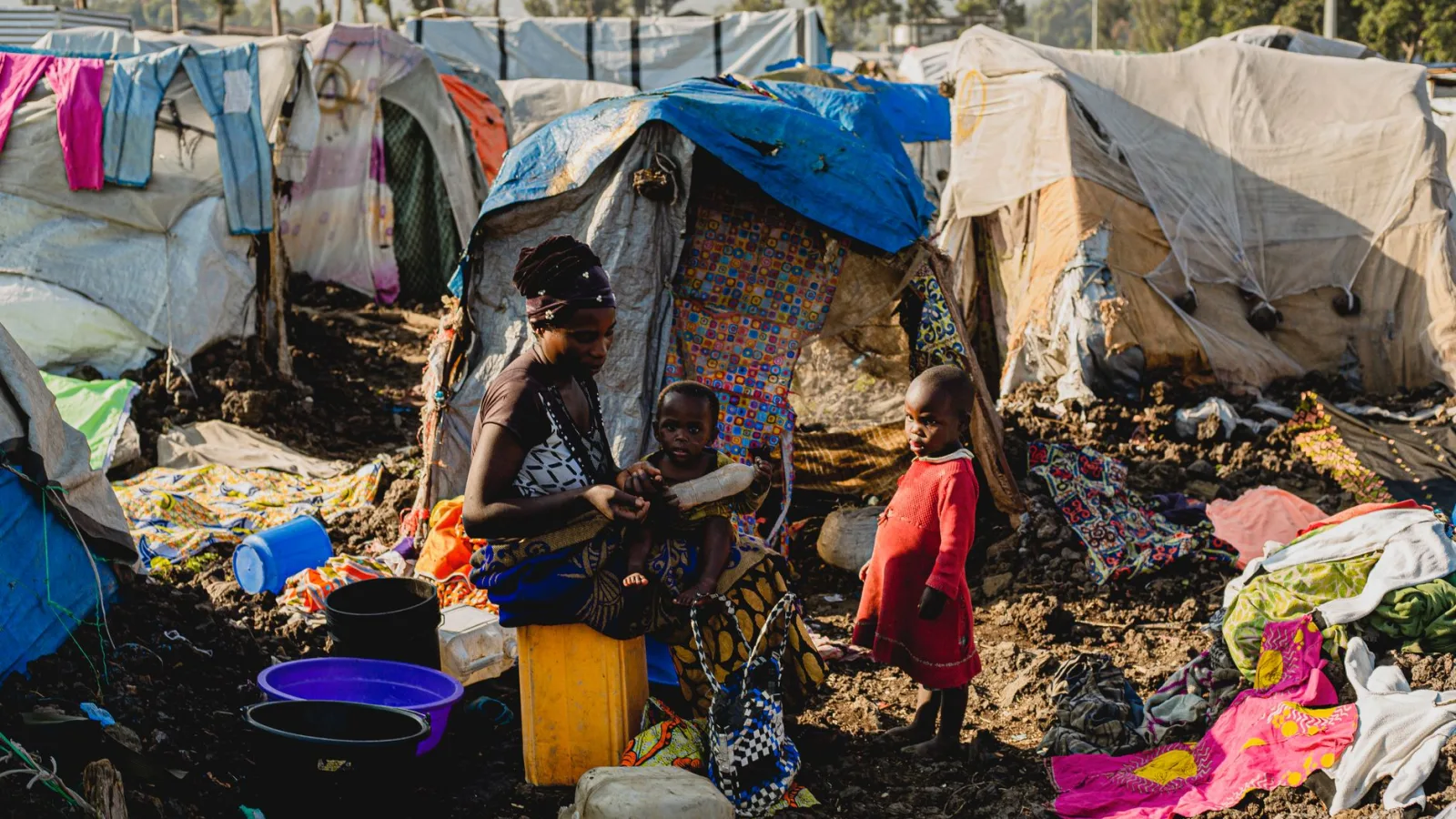
The organisation said its teams in El Obeid had recorded about 11,000 newly displaced people in the past two weeks, half of them children. The movement of families comes amid intensified hostilities around the city, which has strategic importance as both a commercial centre and a route for humanitarian operations in central Sudan.
The latest displacement adds to the impact of more than three years of war in Sudan, where fighting has created the world’s largest displacement crisis. Around 14 million people, roughly a quarter of the population, have been forced from their homes, according to figures cited by Save the Children. Children under 18 account for about 55 per cent of the displaced population.
The United Nations has warned that as many as 500,000 civilians could be exposed to targeted violence and large scale atrocities if the situation in El Obeid deteriorates further. Such warnings are not findings by a court, but they carry weight under international humanitarian law, which requires parties to conflict to distinguish between civilians and fighters and to allow relief operations where civilians are in need.
Save the Children said recent drone attacks had killed civilians and damaged civilian infrastructure. The organisation reported strikes affecting fuel stations, fuel tankers and water tankers, contributing to fuel and water shortages in the city. Saaxil Chronicle has not independently verified the details of the attacks.
One resident, identified by the organisation as Emad to protect his identity, described repeated drone strikes during June. He told Save the Children that fuel facilities and tankers supplying El Obeid had been hit, with the disruption causing price increases and water scarcity. He said the cost of two jerrycans of water had risen to about 6,000 Sudanese pounds, equivalent to around $10.
The damage to fuel and water supplies has wider humanitarian consequences. Fuel shortages can restrict ambulance services, water pumping, transport of aid and the operation of health facilities. Water shortages also increase public health risks, particularly in crowded displacement sites where sanitation is already limited.
Humanitarian access to El Obeid is becoming more difficult, Save the Children said, with several main routes into the city disrupted or closed. Access restrictions are a central concern for aid agencies because they affect the delivery of food, medicines, clean water supplies and emergency services to both displaced people and host communities.
The timing is adding to the strain. Sudan’s rainy season has begun, making movement more difficult in some areas and increasing the risk of disease. Kordofan is also facing a cholera outbreak, with more than 300 cases confirmed by the State Ministry of Health, according to the organisation. Cholera spreads through contaminated water or food and can be fatal without prompt treatment, though it is preventable and treatable when health services are available.
New arrivals are moving into displacement sites and local communities that are already under pressure. Save the Children said families are struggling to find adequate shelter, safe water, healthcare and education. Overcrowding may also worsen the risk of cholera spreading if water, sanitation and hygiene services cannot be expanded quickly.
Children face particular risks in this environment. Displacement can interrupt schooling, separate families from support networks and expose children to exploitation, illness and malnutrition. Save the Children also raised concern about the psychological impact on children who have witnessed attacks, lost relatives or been forced to flee repeatedly since the conflict began.
Francesco Lanino, Save the Children’s deputy country director in Sudan, said displacement for children often means losing access to essential services and to the networks that help them feel protected. He called for urgent action to protect civilians, preserve humanitarian access and prevent further violence, warning that more children could be forced to flee if conditions worsen.
El Obeid’s position makes it significant beyond the city itself. It connects parts of Kordofan with other regions and has served as a commercial and humanitarian hub. Any sustained disruption there can affect assistance to wider communities, including people who have already moved multiple times during the war.
Save the Children said it continues to operate in and around El Obeid, providing health, nutrition, water, sanitation, education and child protection services despite the access challenges. The organisation has worked in Sudan since 1983, supporting children and families affected by conflict, displacement, poverty and hunger.
The organisation is calling for civilians to be protected, for safe and sustained access for relief operations, and for increased support to displaced children and families in North Kordofan and across Sudan. With hostilities continuing, disease risks rising and aid routes constrained, humanitarian agencies say needs are likely to grow unless conditions for civilians and relief workers improve.