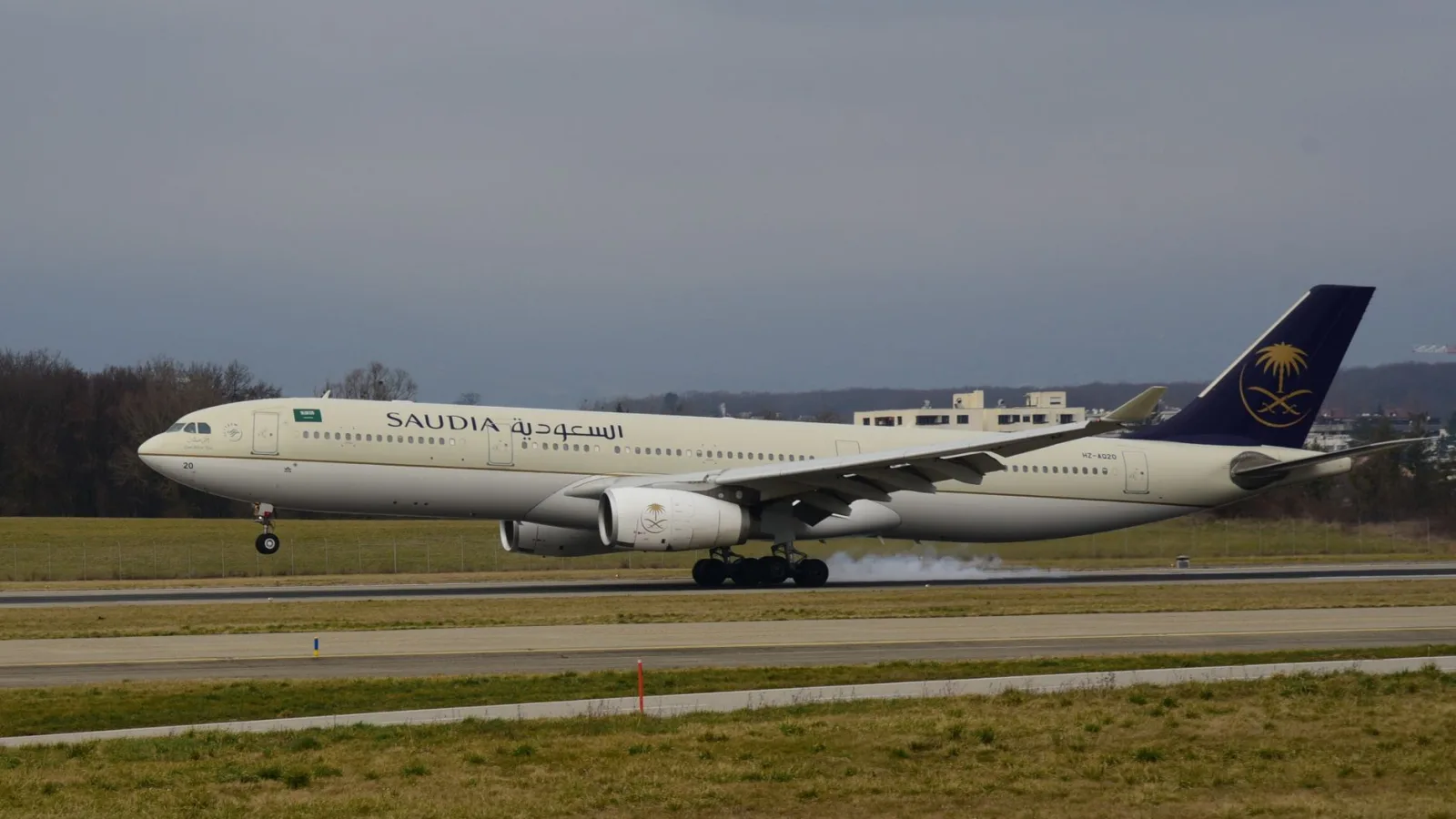
Recent Houthi missile and drone attacks on King Khalid Airport in Riyadh, Saudi Arabia, have significantly escalated the decade-long conflict in Yemen, leading to casualties and raising concerns about regional stability.
Saturday's attack on the Saudi capital's main airport resulted in 12 fatalities and left more than 300 people injured. The Saudi-led coalition fighting the Houthis reported that an "unknown projectile" struck a passenger hall on Sunday, with a cruise missile intercepted nearby. These incidents appear to have penetrated Saudi air defences with considerable ease.
The latest strikes follow a period of intensified Houthi operations against Saudi Arabian territory, specifically targeting critical infrastructure. Beyond the airport, Houthi forces have also sought to gain control of strategic positions along the Red Sea coast and around the Bab al-Mandeb Strait, a vital maritime corridor. This has increased risks to safe navigation, although the Yemeni government has asserted that it has "secured" the strait.
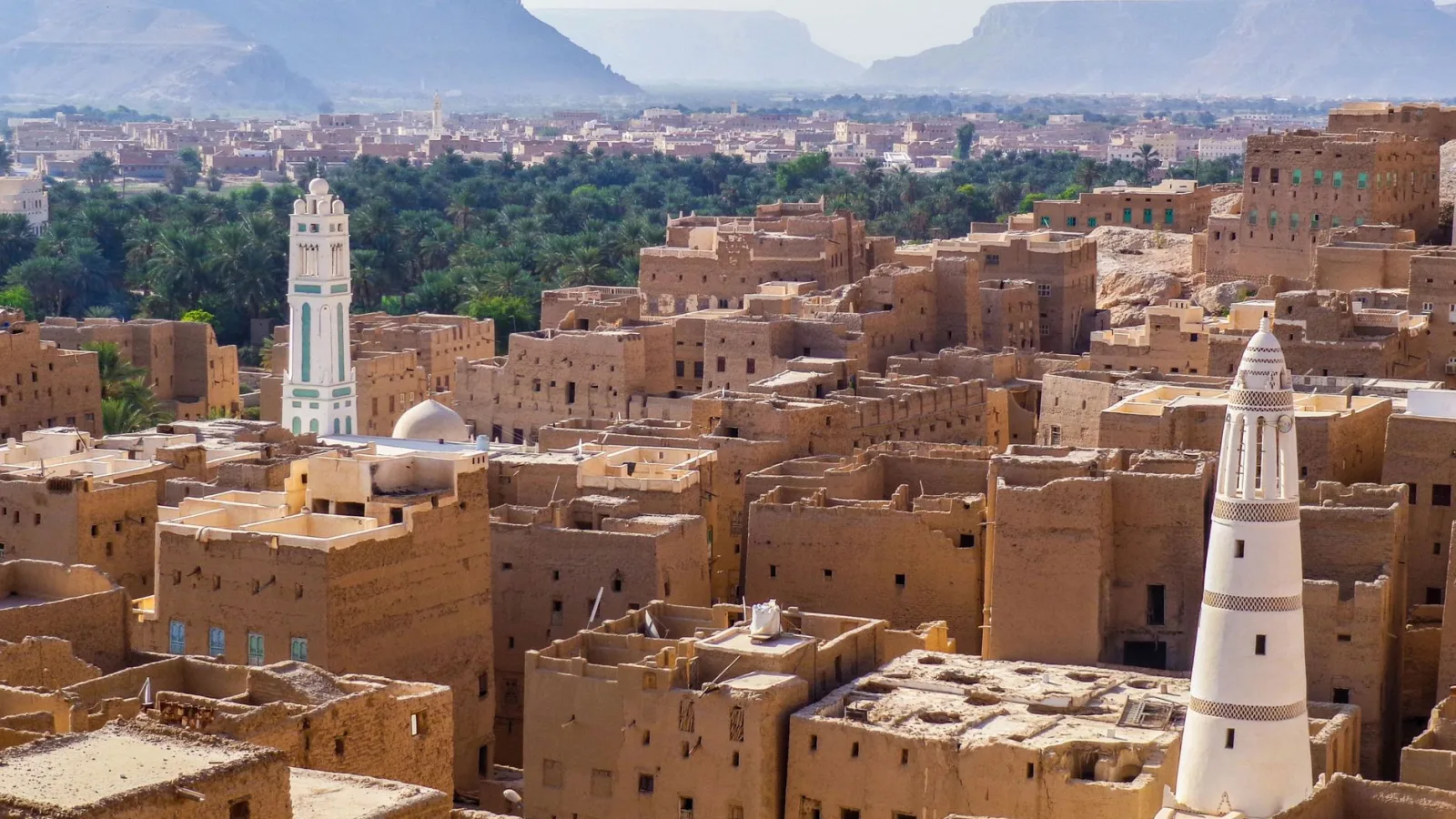
The civil war in Yemen pits the internationally recognised government, supported by Saudi Arabia, against the Houthi movement, which is backed by Iran. The conflict has claimed thousands of lives and plunged Yemen into one of the world's most severe humanitarian crises.
Analysts suggest that the Houthis, as a key strategic partner for Iran within the "axis of resistance," are deliberately targeting the "soft underbelly" of the Saudi economy. The delivery of explosive drones and missiles has been noted for its deadly accuracy, affecting locations from Jizan on the Red Sea to the petrochemical complex at Khurais.
The Red Sea shipping route has gained increased importance, partly due to the Strait of Hormuz remaining partially closed after the failure of the US and Iran to resolve their conflict. Targeting ships in the Red Sea is viewed as a tactic by the Houthis to exert leverage and inflict global economic damage, which serves as a bargaining chip for Tehran.
For Saudi Arabia, the attacks are seen as a serious threat, comparable to the al-Qaeda insurgency of the mid-2000s. While the Kingdom previously overcame that challenge and weathered the Arab Spring uprisings, and even shrugged off an Iranian ballistic missile attack in March, the current situation is distinct. Despite having one of the most powerful air forces in the Middle East and carrying out extensive air strikes, Saudi Arabia has seen Houthi forces seize large portions of northern and western Yemen.
The United States' position in the conflict has evolved. In early September, the White House stated it would not intervene directly but would provide intelligence support to the Saudis. It later confirmed the deployment of military experts and the supply of intelligence. However, the situation took a new turn following Saturday's attack in Riyadh, which resulted in the death of a US citizen.
US President Donald Trump described Saturday's attack as "terrible" to reporters and indicated a potential for military intervention alongside the Saudis, stating, "We just found out about the recent attack, so we'll make a decision. We move very quickly."
Despite this statement, direct US military involvement now appears less likely, particularly ahead of crucial US midterm elections next month. President Trump's 2024 re-election promise included ending America's role in wars globally. With existing US involvement in unresolved conflicts in Gaza, Lebanon, and Iran, entanglement in another war in Yemen is considered unlikely to be popular with voters.
According to additional analysis from Abdelbassir Hassan of BBC Arabic, the conflict is expected to intensify further before any potential "shaky truce" emerges, regardless of US involvement.