The United States conducted a series of military strikes against Iranian military and surveillance positions near the Strait of Hormuz in response to the recent downing of an American Apache helicopter in the Gulf region. According to the US military's Central Command (Centcom), the strikes targeted Iranian air defence systems, radar installations, and ground control stations.
In retaliation, Iran's Islamic Revolutionary Guard Corps (IRGC) reported launching attacks on 21 targets across US military bases in Bahrain and Jordan. Kuwait's armed forces also reported intercepting an attack, though details remain limited. The US characterises its strikes as a proportional response to Monday's helicopter incident. Meanwhile, the IRGC described the US actions as "vicious" in tone.
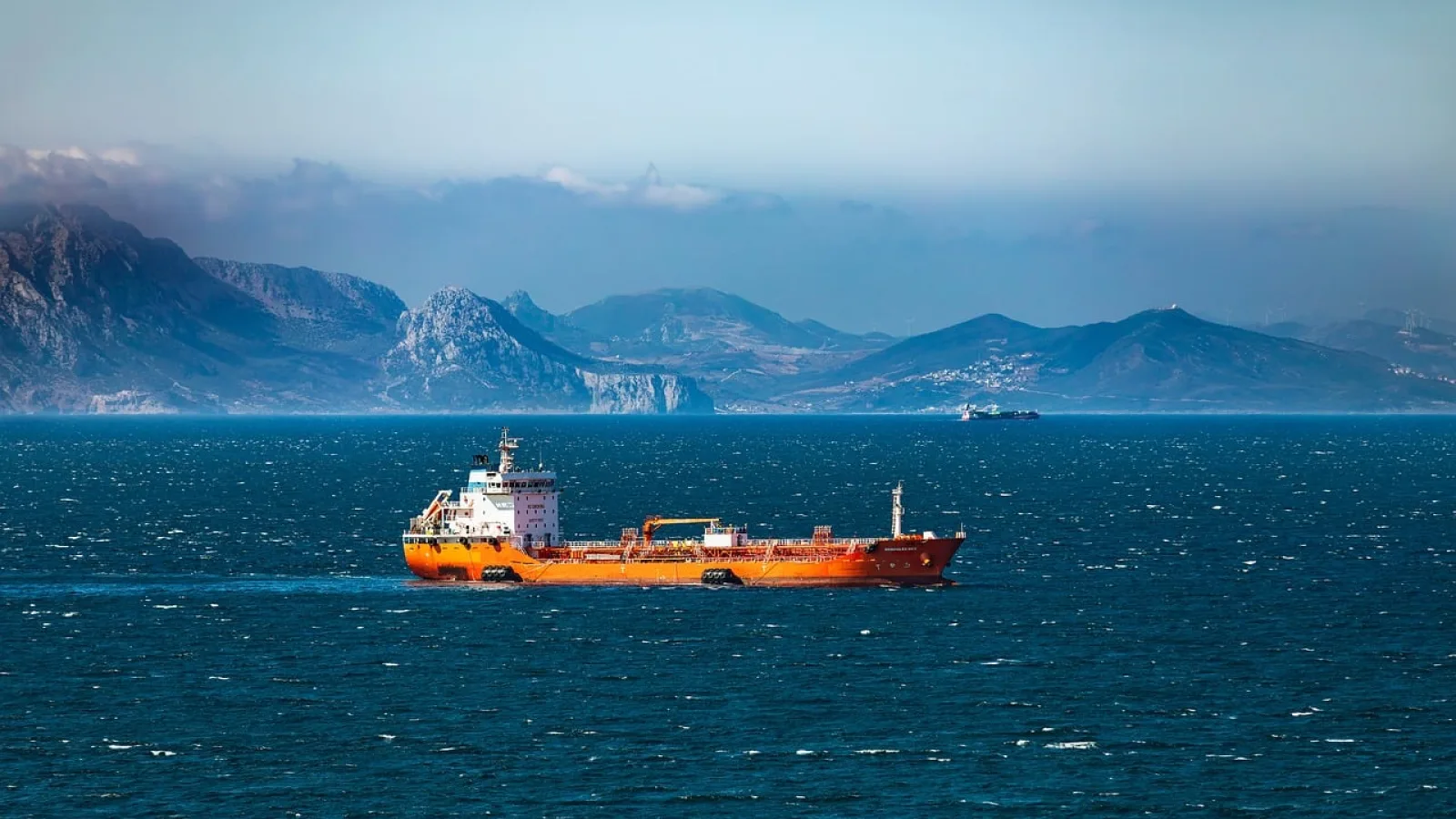
US President Donald Trump identified Iran as responsible for shooting down the American military helicopter during a patrol mission over the Strait of Hormuz, a critical artery for international shipping. Two crew members aboard the aircraft were rescued after being supported by an unmanned American sea drone. Initial US assessments suggest the helicopter was attacked by an Iranian drone, but an official source told CBS News that intent behind the drone action remains unclear. Iranian state media have yet to officially claim responsibility.
The IRGC reported that US strikes caused damage to infrastructure, including a telecommunications tower and water tanks in the Iranian cities of Jask, Sirik, and on Qeshm Island, all located near the Gulf coast. US officials have not commented on whether their installations in the region sustained damage following reported Iranian strikes, though Bahrain’s local authorities activated an air raid alert and indicated that Iranian attacks had been repelled.
Iranian Foreign Minister Abbas Araghchi responded with a statement on social media, warning that Tehran “will leave no attack or threat unanswered.” He framed the US actions as a test of Iranian resolve, urging foreign military forces to withdraw from the region to reduce the risk of further incidents. “Leave our region if you want to be safe,” Araghchi added.
In Washington, US House Speaker Mike Johnson confirmed his involvement in discussions with President Trump leading up to the decision to resume attacks on Iranian targets. “We lament that it became necessary,” he stated, while emphasising the ongoing necessity to address the situation.
The latest escalation follows a period of cross-border fire between Israeli and Iranian forces in southern Lebanon, which briefly paused after an April truce. Tehran has previously cautioned that Israeli strikes on southern Lebanon would provoke further retaliatory actions. US officials and President Trump have publicly called for de-escalation, with Trump indicating hope for an imminent ceasefire and progress in ongoing negotiations aiming to resolve broader regional conflicts.
Trump signalled optimism about a forthcoming agreement with Iran, stating the final stages of talks were underway and that the Strait of Hormuz could reopen immediately following a deal. However, the recent exchanges of fire underline the fragility of the security environment in the Gulf and surrounding areas.
The developments highlight the complex interplay of military, diplomatic, and regional security factors that continue to shape US-Iran relations. Both capitals remain engaged in parallel diplomatic efforts, even as military incidents underscore ongoing tensions in a strategically significant maritime corridor.