United States military forces have conducted a series of strikes in southern Iran, targeting missile sites and boats reportedly used by Iran in the vicinity of the strategic Strait of Hormuz. These actions, described by US Central Command as taken in "self-defence," come as high-level talks are underway in Qatar, where senior Iranian negotiators seek a resolution to the ongoing conflict.
Military Actions in Southern Iran
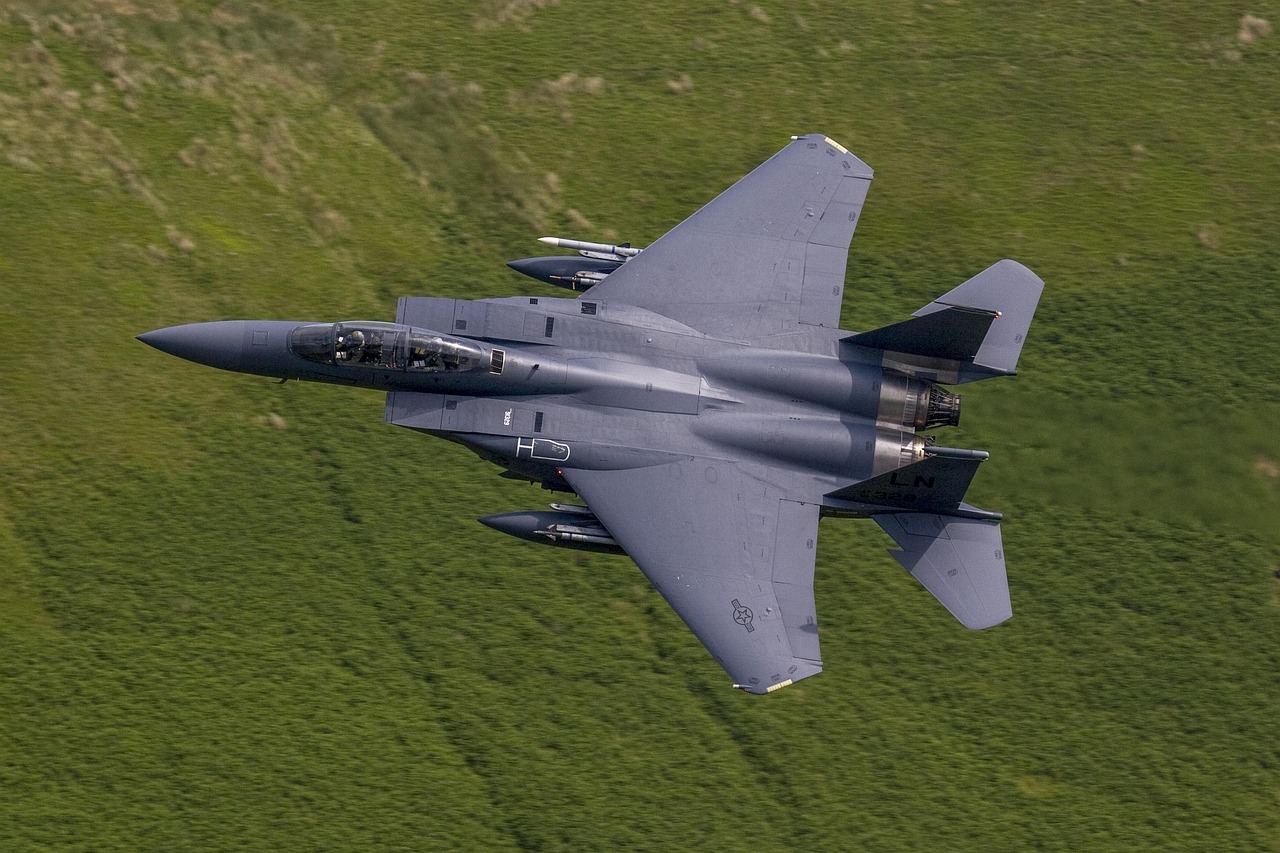
In a stated effort to neutralise emerging threats, the United States launched strikes targeting Iranian assets perceived to be responsible for recent hostilities in the region. US Central Command confirmed the operations aimed at crippling missile sites and disabling boats suspected of laying mines in important maritime lanes. The Strait of Hormuz, a critical passageway for global oil shipments, remains a focal point of tension given its strategic importance.
Lt. Gen. Alexus Grynkewich, a spokesperson for the US military, explained, "Our actions are intended to protect our forces and ensure the free flow of commerce through international waters." The strikes underscore a commitment to maintaining security in the Gulf region while diplomatic avenues are explored.
Diplomatic Efforts in Qatar
Concurrently, Iranian officials have convened in Doha, Qatar, to engage in discussions that seek to de-escalate the conflict. These diplomatic efforts mark a crucial attempt to mediate a peaceful resolution, amid rising hostilities which have gripped the region for nearly three months. The talks, facilitated by Qatar, focus on negotiating a ceasefire and addressing the concerns of all parties involved.
Qatari Foreign Minister Sheikh Mohammed bin Abdulrahman Al-Thani expressed optimism: "The presence of both US and Iranian representatives in Doha signifies a step towards diffusing current tensions."
Background to Ongoing Conflict
The conflict, now in its 88th day, has roots in long-standing regional disputes exacerbated by recent geopolitical shifts. Tensions between Washington and Tehran have persisted, often marked by naval encounters and military posturing. The United States accuses Iran of aggressive actions, including attacks on commercial vessels, which Iran denies. Iraq's backdrop of warfare has also strained relations between regional and international stakeholders.
In recent years, the Strait of Hormuz has been a hotspot due to its vital role in oil logistics, with any disruption possessing global economic implications. The US remains steadfast in its commitment to maintaining this crucial supply route, prompting military actions while diplomatic channels remain active.
Regional and Global Implications
The US strikes have heightened tensions in a region already fraught with complex alliances and conflicts. Predictably, any escalation impacts global energy markets, given the significant oil flow through the Strait. The stakes are high, as both local stability and international economic interests converge.
Analysts reckon that the US's dual strategy of military readiness coupled with engagement in dialogue reflects its broader policy framework. This seeks to manage immediate threats while encouraging strategic negotiations to address underlying issues. Resolving such tensions is viewed as vital for regional security as well as for ensuring uninterrupted international trade.
What This Means
The recent US military action in Iran's south highlights the fragility of the current situation and the pressing need for diplomatic solutions. While overt military engagement might seem necessary to protect interests, the ongoing talks in Qatar underscore the potential for resolving disputes through discussion. A high-priority goal remains reaching a sustainable agreement that satisfies all parties and prevents further escalation.
Efforts in Qatar aim to establish common ground, effectively balancing military deterrence with negotiation to avert widespread conflict. The developments unfolding in the region will continue to be closely monitored, with the hope that diplomacy can prevail over military confrontation.
When and Where
The US strikes were reported on 26 May 2026 in southern Iran near the Strait of Hormuz. Simultaneous diplomatic discussions are ongoing in Doha, Qatar, as reported by international media sources.