Ukraine has rejected Iranian warnings of retaliation after Kyiv said it carried out long range strikes in the Caspian Sea, including against vessels it described as linked to military cargo movements between Iran and Russia.
The incident has drawn attention to the Caspian Sea as a direct transport corridor between the two countries at a time when Ukraine and its partners have accused Tehran of supporting Moscow’s war effort through the supply of drones and other military equipment. Iran denies intervening in the Russia Ukraine war.
Ukraine’s Foreign Minister Andrii Sybiha said on Monday that Iranian threats were “unjustified and groundless”, writing on X that Tehran was helping Russia’s war against Ukraine. His comments followed an Iranian response accusing Kyiv of violating international law and warning that the attack would not go unanswered.
President Volodymyr Zelensky said on Saturday that Ukrainian forces had achieved strong results in long range operations in the Caspian Sea. The Security Service of Ukraine, known as the SBU, said its drones had struck an oil platform in the northern Caspian, a Russian missile boat and cargo ships it said were under international sanctions.
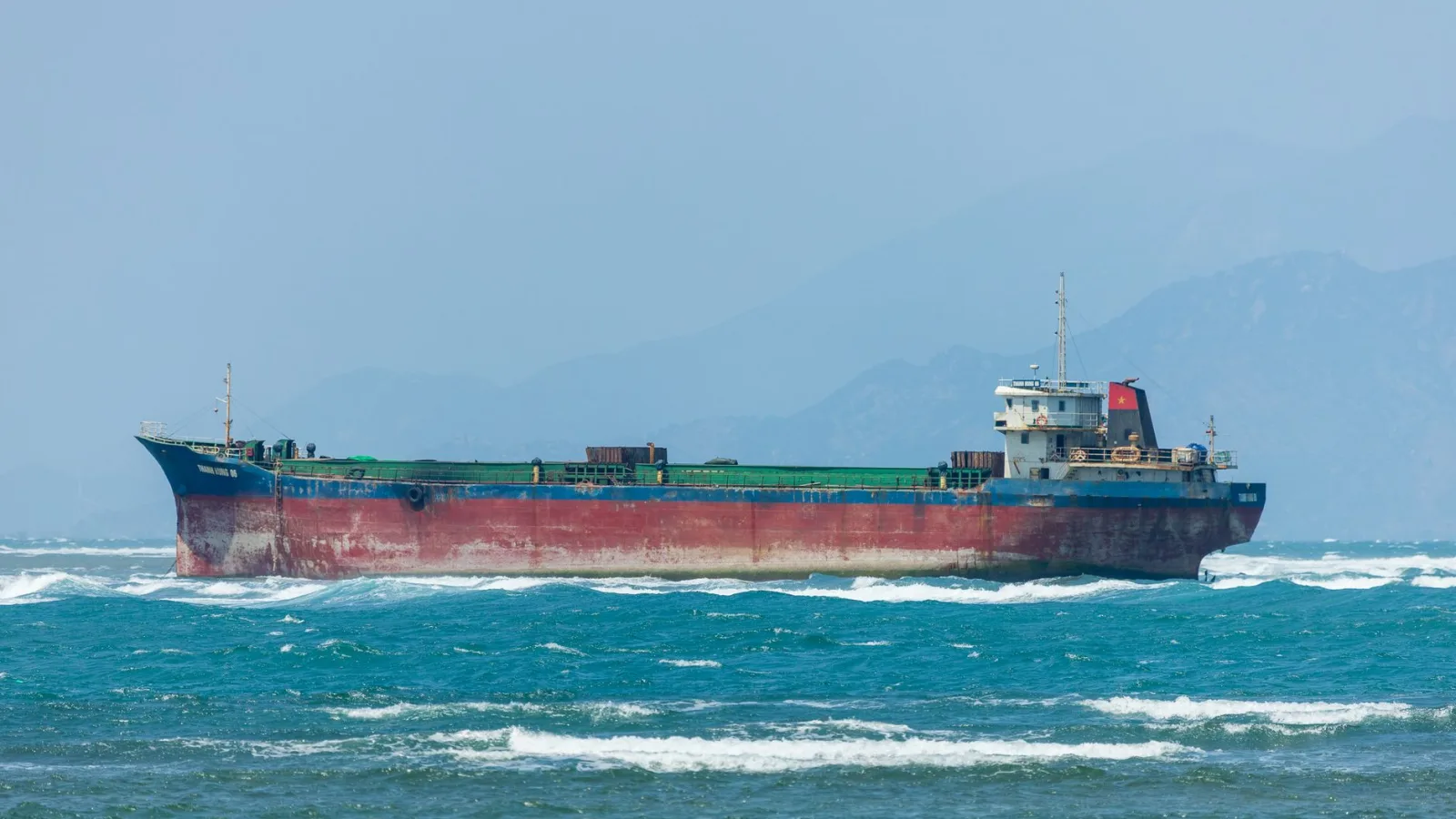
Iran’s ambassador to Russia, Kazem Jalali, told Iranian state media that the vessel Anna had been anchored around five kilometres from the mouth of the Volga River when it was hit. Iranian officials said one sailor was killed and several others were injured.
Ukraine’s ambassador to Israel, Yevgen Korniychuk, told Israel’s N12 broadcaster that the ship had been carrying components for drones and missiles from Iran to Russia, rather than civilian goods. That claim has not been independently verified.
The Caspian Sea is an important logistical route for Russia and Iran because it allows cargo to move directly between the two countries without passing through the Black Sea, the Mediterranean or routes controlled by Western states. Its ports and river links, including access through the Volga, are significant for trade and for the movement of sanctioned goods.
Iran and Russia have deepened military cooperation since Moscow launched its full scale invasion of Ukraine in 2022. Western governments and Ukrainian officials have repeatedly said Iran supplied Shahed drones to Russia. Moscow has used domestically adapted versions of those systems in repeated attacks on Ukrainian cities and infrastructure.
Kyiv has also alleged that Iran has considered or pursued further weapons transfers, including ballistic missiles. President Zelensky said in an interview published over the weekend that Tehran was planning to send ballistic missiles to Russia. Previous reports have suggested that short range missiles may already have been supplied, though Iran has consistently rejected accusations that it is a participant in the war.
Iranian Foreign Minister Abbas Araghchi accused Ukraine of carrying out a “blatant” violation of the UN Charter and claimed the attack had been conducted at Israel’s behest. Sybiha responded by accusing Iran of spreading falsehoods and trying to divert attention from Russia’s attacks on shipping connected to Ukrainian grain exports.
The exchange reflects a wider convergence of security concerns across several regions. Ukraine has accused Iran of enabling attacks on its civilian population, while Iran has framed the strike as an unlawful expansion of the conflict. Ukrainian military specialists have also reportedly worked with Gulf states on defence against Iranian drone threats following US and Israeli strikes, illustrating the growing overlap between drone warfare, air defence and regional security planning.
For Kyiv, the Caspian operation appears to fit a broader campaign aimed at disrupting networks that sustain Russia’s war economy and military supply chains. Ukraine has repeatedly targeted Russian oil infrastructure, depots and vessels associated with the so called shadow fleet used to move Russian crude outside conventional sanctions channels.
Zelensky has described those operations as part of a long range sanctions campaign designed to reduce Moscow’s ability to finance and equip the war. Ukrainian attacks have also targeted logistics and industrial sites inside Russia, though Kyiv generally presents such strikes as aimed at military or economic infrastructure connected to the invasion.
Some analysts have warned that striking Iranian assets risks adding diplomatic and military complications for Ukraine at a time when it remains heavily focused on Russia. Former intelligence official Ivan Stupak told the BBC that the likely objective was to disrupt trade routes and inflict damage, but said opening an additional confrontation with Iran would not benefit Kyiv.
Olha Polishchuk of the Armed Conflict Location and Event Data Project said the strike could be read less as the opening of a new front against Tehran and more as an extension of Ukraine’s effort to target supply networks supporting Russia. In that reading, the Caspian Sea route is important because it lies outside the main battlefield but remains connected to the war’s logistics.
The immediate consequences of the incident remain uncertain. Iran has signalled it may respond, while Ukraine is maintaining that the target was part of a military supply chain linked to Russian attacks. The dispute is likely to keep attention on the Caspian corridor, where commercial shipping, sanctions enforcement and wartime logistics now overlap more visibly than before.