The humanitarian crisis caused by the war in Ukraine remains severe and prolonged, with continuing bombardments, attacks on civilian infrastructure and large-scale displacement placing sustained pressure on health and protection services, according to a regional situation report covering January to June 2026.
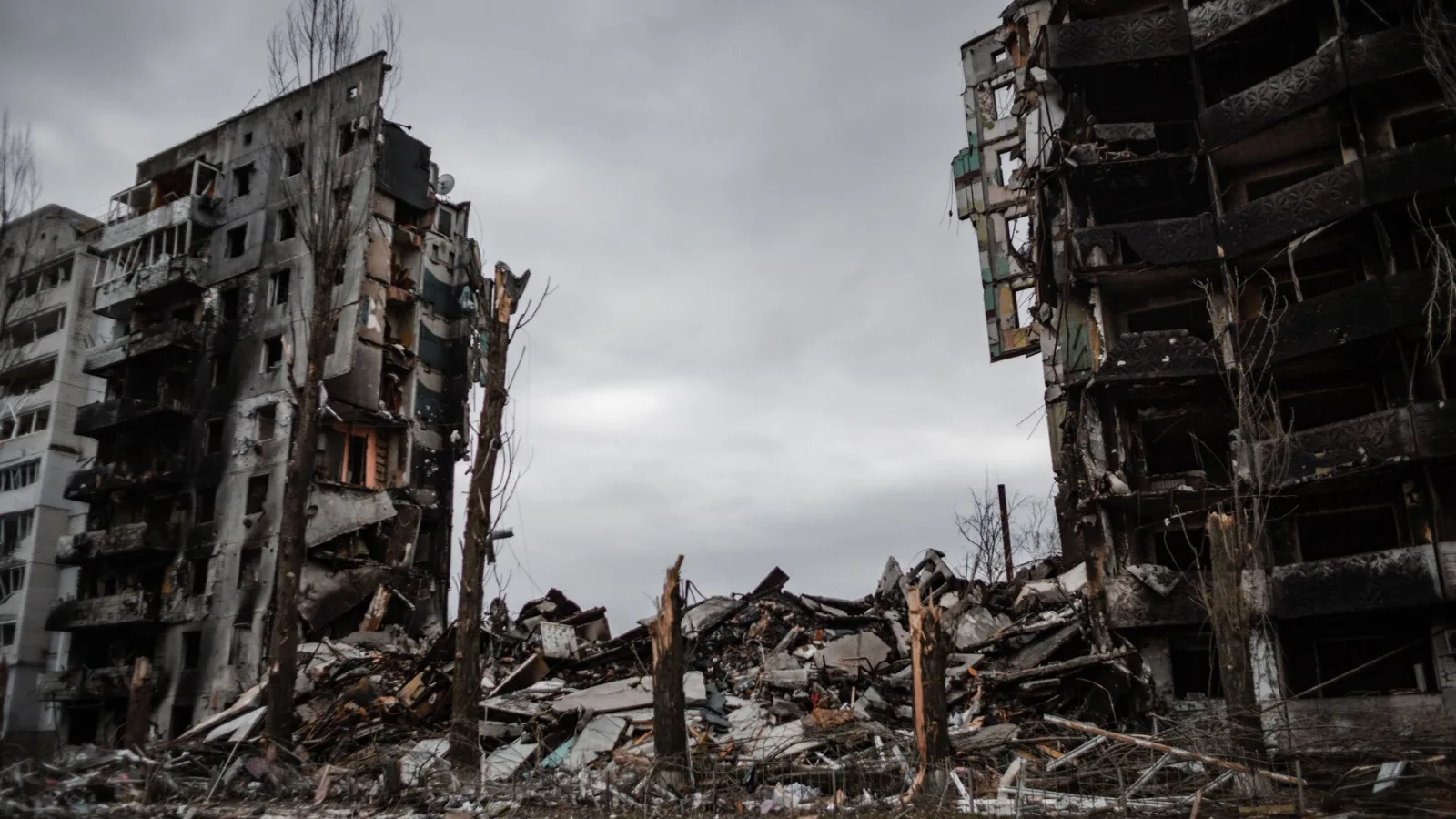
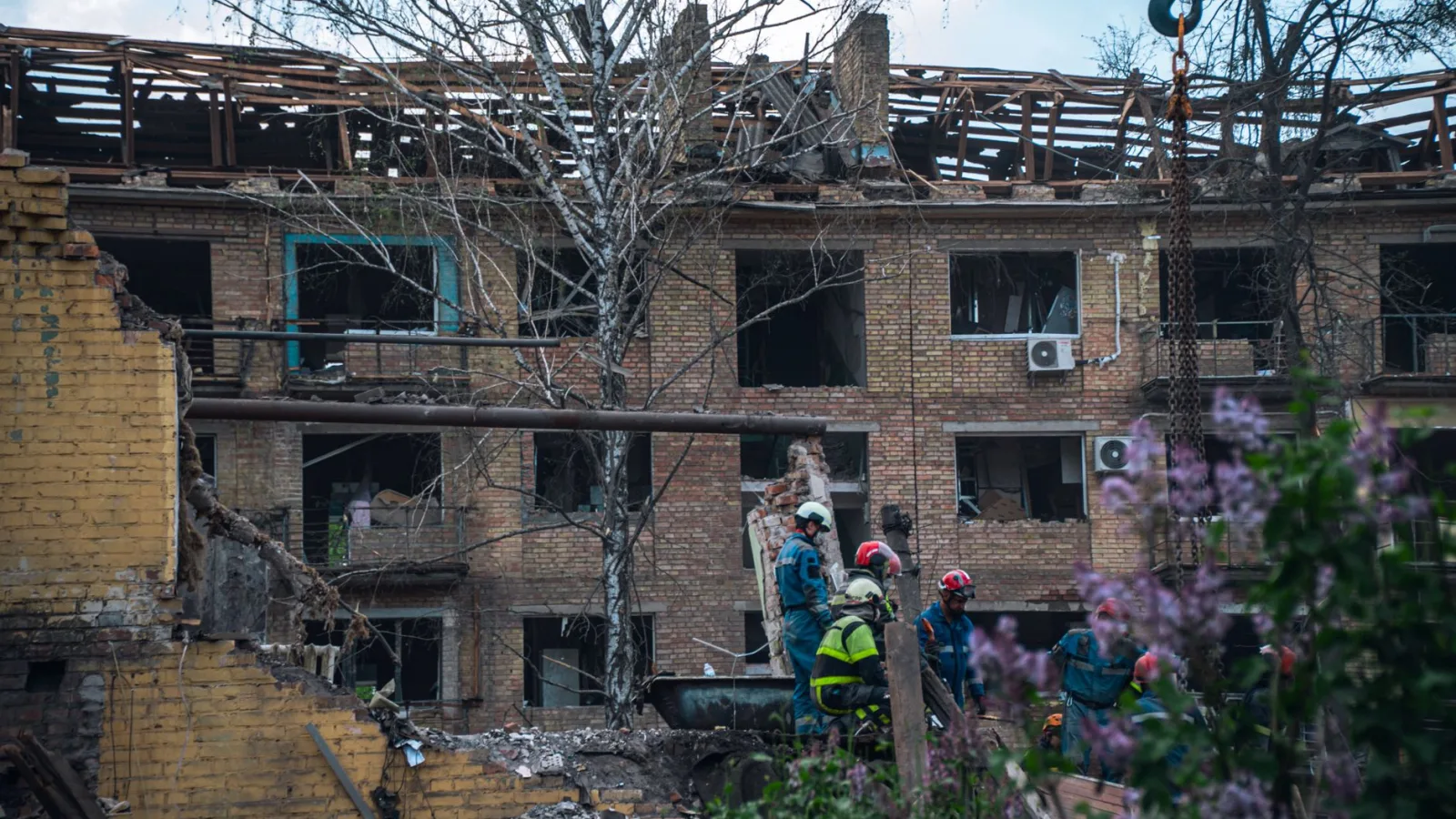
The report says the conflict has been marked by intensifying aerial attacks, hostilities and systematic damage to critical energy and civilian infrastructure. Conditions worsened significantly during the severe winter of 2025–2026, adding further strain to communities already affected by years of war.
According to the report, 3.4 million people remain internally displaced inside Ukraine, while 5.8 million people are recorded as refugees globally. Many of those who have fled are facing social and economic pressures in European host countries, including higher living costs and reduced international assistance.
The United Nations Population Fund, UNFPA, said the crisis has had a profound effect on the most vulnerable groups, particularly in relation to sexual and reproductive health. Damage to infrastructure has limited access to services, while protection risks have increased for people already facing marginalisation or insecurity.
The report identifies gender-based violence, psychosocial distress and reduced access to essential services as continuing concerns. It says marginalised groups face particular difficulties in obtaining support, with humanitarian needs remaining acute despite efforts to move parts of the response into longer-term national systems.
During the first half of 2026, UNFPA said it accelerated a strategic shift in its regional response. The agency is moving away from a model focused mainly on emergency service delivery and towards embedding sexual and reproductive health and gender-based violence services within national health and protection systems.
The aim, according to the report, is to make services more sustainable and locally owned. UNFPA said it has prioritised national ownership by integrating sexual and reproductive health support into state health systems, while transitioning safe spaces and other protection services into centres funded by governments or operated by civil society organisations.
The agency also said it had advanced specialised, survivor-centred services for people affected by gender-based violence, alongside economic empowerment activities and targeted youth resilience programmes. These initiatives form part of a broader effort to maintain life-saving support while preparing systems for longer-term recovery.
However, the report warns that the apparent funding position does not reflect the full level of need. UNFPA has nominally secured 90% of its $61.5 million regional requirement for 2026, but says this figure is shaped by reduced budget targets set at the end of 2025.
Those reduced targets were designed to prioritise the most vulnerable people rather than to indicate that humanitarian needs had fallen, the report says. As a result, the current level of funding is described as insufficient to balance immediate life-saving care with the transition towards recovery and national service delivery.
The agency says the deteriorating humanitarian context and the need to prepare for future winter conditions add to the pressure on current resources. It warns that the present appeal does not cover the full scope of needs related to gender-based violence and sexual and reproductive health.
UNFPA said securing funding for 2027 at an early stage would be important to avoid disruptions in support. The report also calls for a move away from short 12-month project cycles towards sustained, multi-year funding that can support both emergency response and institutional transition.
The report presents the Ukraine crisis as both an immediate humanitarian emergency and a longer-term challenge for national and regional systems. It says continued instability, displacement and damage to infrastructure mean that vulnerable people remain at risk, even as parts of the response are being shifted into government and civil society structures.