The International Organization for Migration has expanded its earthquake response in Venezuela to 13 communities in Morón, Carabobo State, while humanitarian agencies move to strengthen coordination in temporary accommodation sites and affected communities.
In its latest situation report, covering 4 to 6 August 2026, IOM said its teams had continued multisectoral support following the earthquakes that struck the Bolivarian Republic of Venezuela on 24 June. The response includes shelter and site coordination, health, protection, water, sanitation and hygiene, information management, and measures to prevent sexual exploitation and abuse.
A key development during the reporting period was the formal activation of the Shelter, Land and Site Coordination Cluster, co-led by IOM and the International Federation of Red Cross and Red Crescent Societies. IOM said the activation was intended to strengthen response coordination in the affected areas, including operational planning, distribution arrangements and monitoring of sectoral needs.
Since 3 August, IOM has expanded its work to 13 communities in Morón, where 373 households, comprising 1,232 people, have received essential relief items and other humanitarian assistance. The agency is also continuing activities in La Guaira, where it and the Norwegian Refugee Council are co-managing five temporary accommodation sites: Campo de Golf, Mare Abajo II, Jose Maria Vargas Sports Complex, Playa Grande and Cesar Nieves.
The work in those sites includes service coordination, household registration, population verification and site management. IOM said registration and verification continued during the reporting period, including reinforced household registration in Mare Abajo II to support distributions planned for the following week.
At Jose Maria Vargas Sports Complex, essential services were maintained for 760 people from 209 households. Updated registration data at Campo de Golf identified 359 people at the site, including 10 persons with disabilities, four pregnant women and three lactating women.
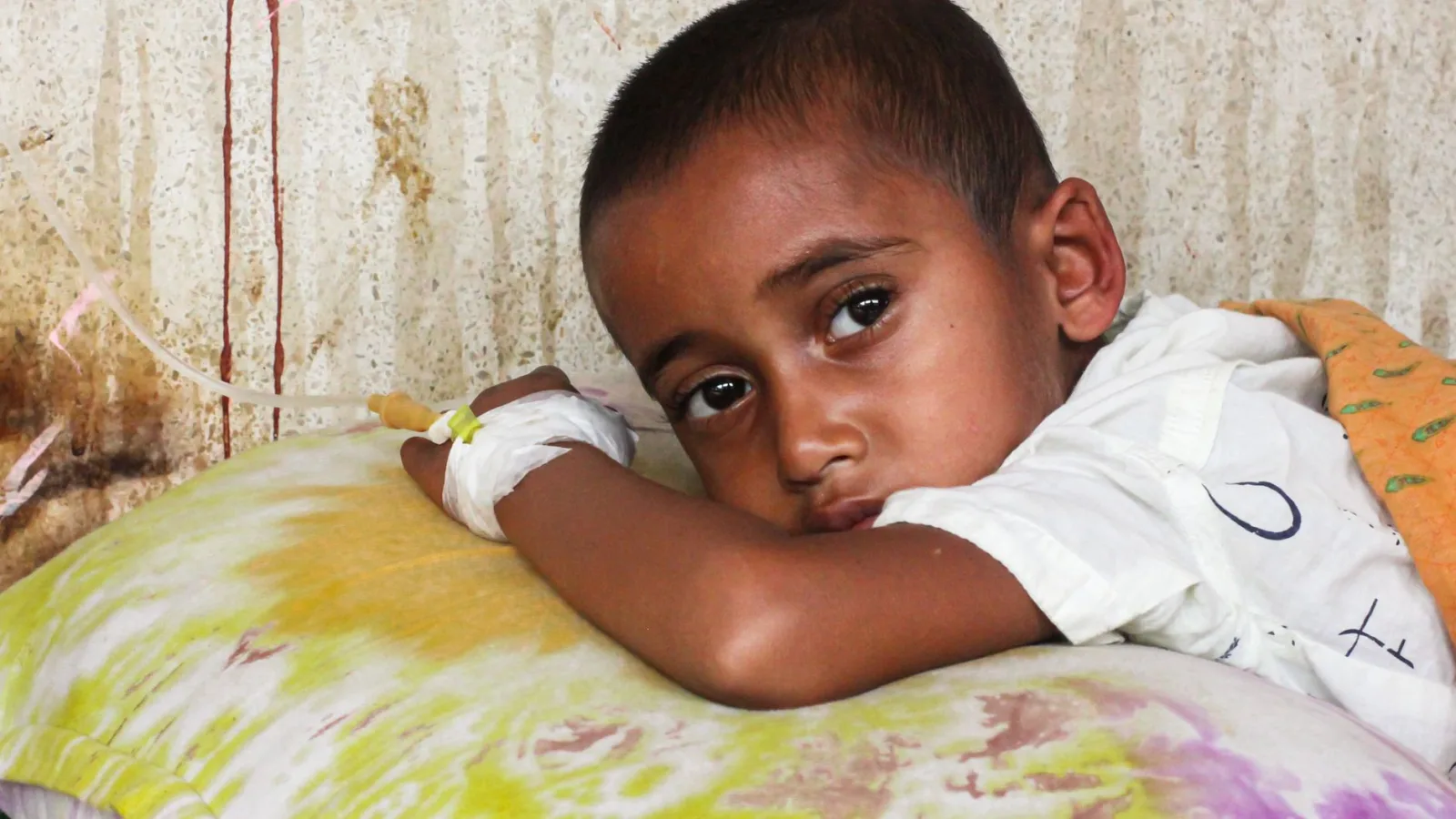
IOM-supported health teams have so far delivered 7,641 medical consultations to 6,753 earthquake-affected people through health, mental health and psychosocial support services in temporary accommodation sites and affected communities. During the latest reporting period, 99 consultations were carried out in Cesar Nieves, while mobile services at Jose Maria Vargas Sports Complex reached a cumulative total of 2,678 consultations.
The agency and its implementing partner Ven Da Tu Mano continued to provide health, mental health and psychological support through mobile teams. IOM also held training sessions for 29 humanitarian workers, including staff from HIAS and IOM mental health, psychosocial support and camp coordination teams. Training topics included psychological first aid, community outreach approaches and institutional methods for delivering mental health and psychosocial support services.
Water, sanitation and hygiene activities also continued across sites and communities. IOM said it was monitoring water treatment systems, conducting water quality surveillance, expanding sanitation infrastructure and strengthening waste management. Improvements were under way in Mare Abajo II to improve access to safe water and sanitation, while systems at Campo de Golf remained operational.
Information management remains a major part of the response. IOM said it was continuing registration work through the Unified Information Management System in temporary accommodation sites, while Displacement Tracking Matrix teams collected data in earthquake-affected communities in La Guaira and Morón. Shelter needs assessments were also conducted in Guatire, Miranda State. To date, IOM has characterised 51 earthquake-affected accommodation sites.
Protection services are being delivered alongside shelter and health support. IOM said its activities included legal assistance, case management, child protection, prevention of trafficking in persons, prevention of violence against women and girls, and community information mechanisms. During the reporting period, information sessions were held for women, adolescents and community leaders, while referrals continued for people requiring legal assistance, mental health support and other specialised services.
At Jose Maria Vargas Sports Complex, protection information sessions reached 71 women. IOM said case management and referral work was continuing for individuals with specific protection needs, including those requiring access to documentation or other specialised support.
The agency also reported activities linked to the prevention of sexual exploitation and abuse. Awareness-raising sessions were carried out and information materials were distributed to 24 community leaders in Campo de Golf and Cesar Nieves. Refresher sessions were also delivered to 25 humanitarian workers, covering standards of conduct, the principle that assistance is free of charge, and reporting mechanisms.
As co-lead of the newly activated Shelter, Land and Site Coordination Cluster, IOM said it was supporting coordination among humanitarian actors in temporary accommodation sites. In Mare Abajo II, coordination efforts focused on preparation for planned distributions, including follow-up on household registration and logistical arrangements.
IOM said it would continue strengthening infrastructure, service delivery, WASH work, shelter assistance and camp coordination and camp management activities in temporary accommodation sites. It also plans to maintain health, mental health, psychosocial support and protection services, while strengthening referral mechanisms, case management and access to documentation for people with specific needs.
The agency said it would continue mobility monitoring, registration, information management, shelter assessments and coordination with authorities and implementing organisations to support evidence-based planning as the response to the June earthquakes continues.