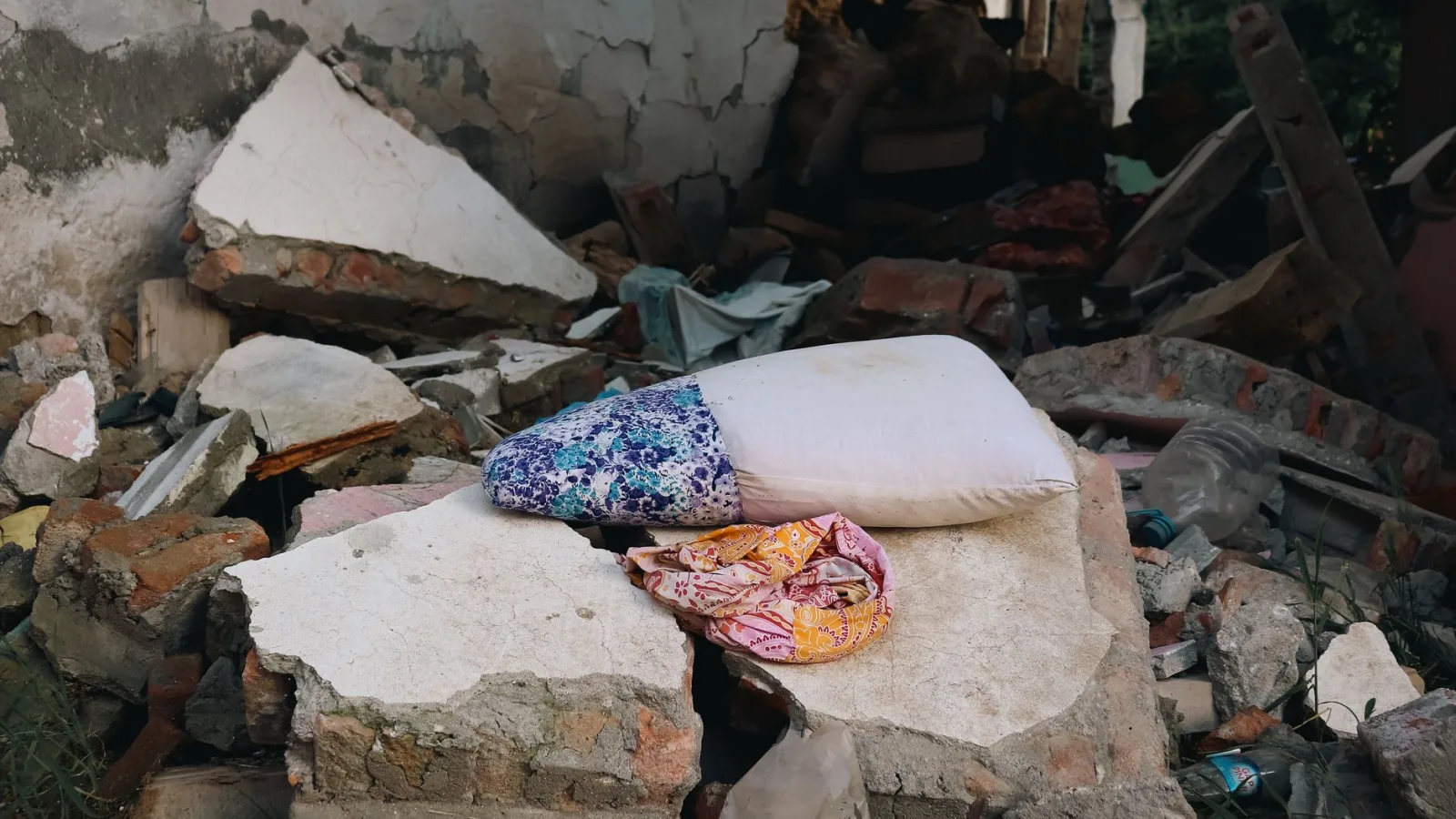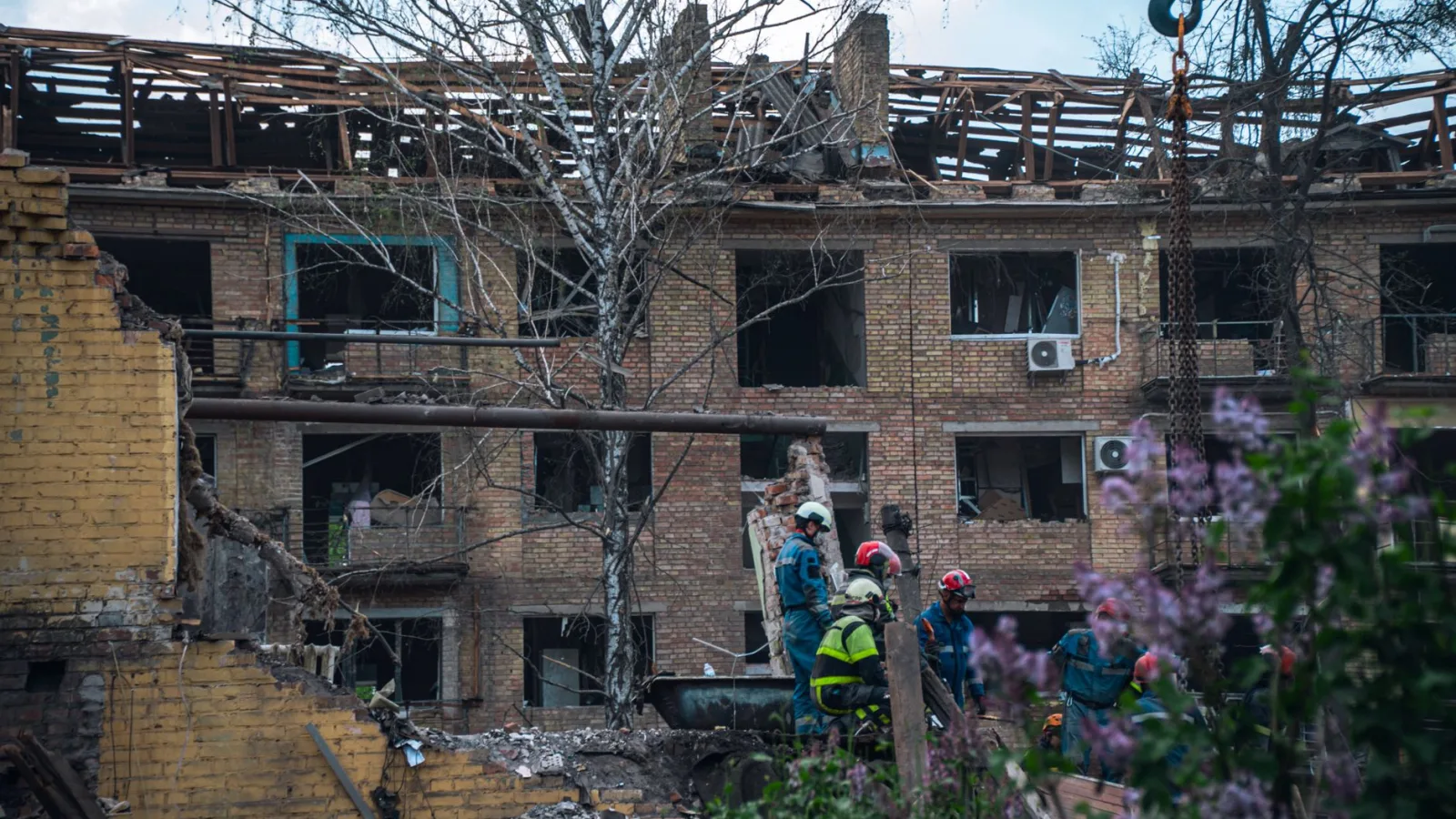
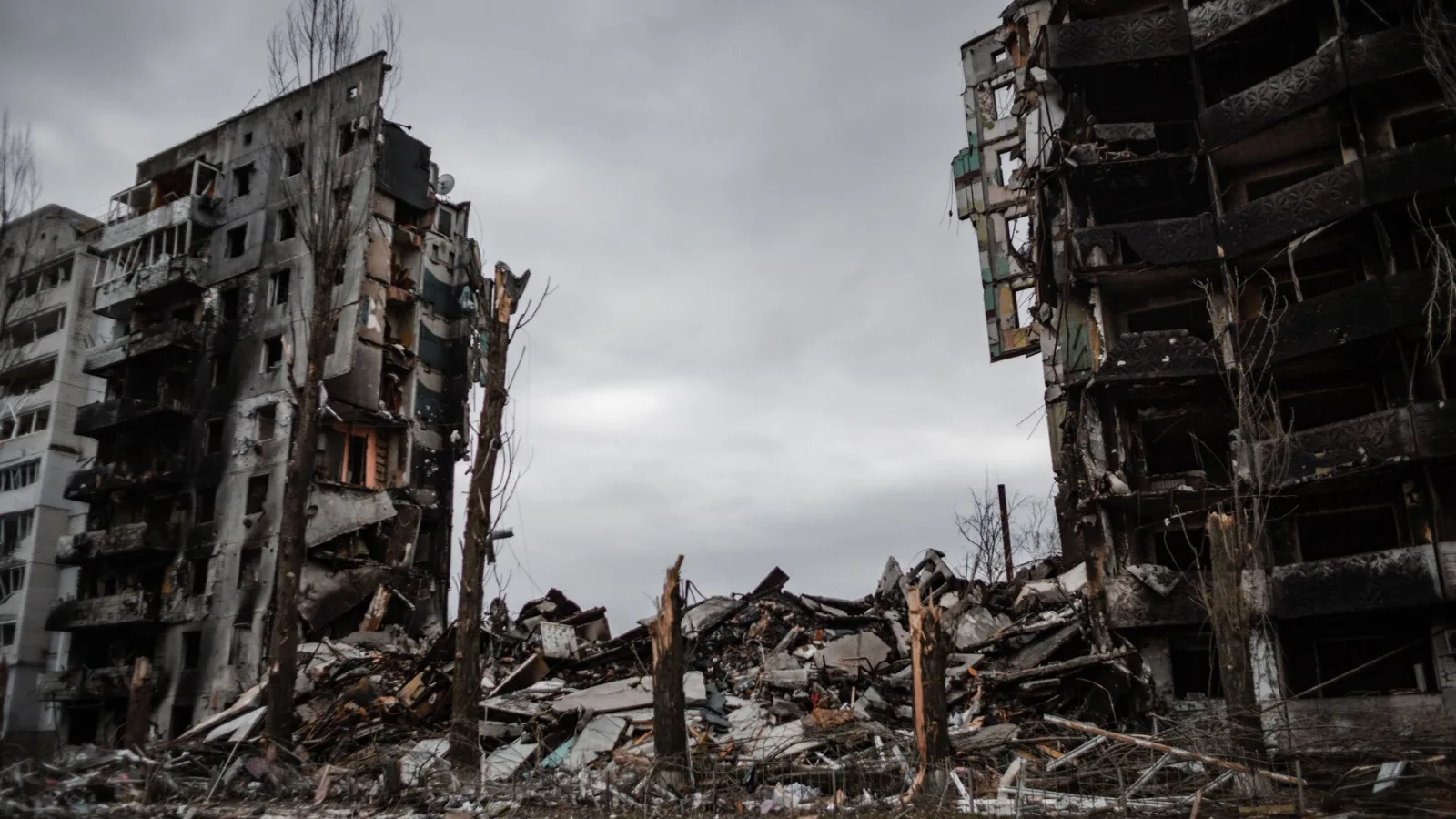
Modern conflicts are increasingly characterised by the systematic destruction of cultural heritage, with historic buildings, religious sites, and archives being targeted across multiple regions, according to recent reports.
From the cathedrals of Ukraine to the ancient city of Gaza and the squares of Iran, widespread damage is being inflicted, raising concerns that war is now not only claiming lives but also actively seeking to eradicate a people's cherished past and historical identity.
In Ukraine, the devastation of cultural sites is particularly acute, with Unesco reporting the destruction or dereliction of 545 historic buildings. These include 156 religious sites and 43 museums. This widespread damage is linked to Russia's stated aim to eliminate Ukraine’s historical identity.
Specific landmarks in Ukraine that have suffered significant damage include Kyiv’s Pechersk Lavra complex and the Dormition cathedral, alongside the St Sophia cathedral. The city of Odesa has seen an attack on its cathedral and a museum, while the theatre in Mariupol, a defining monument of Ukraine's past, has also been destroyed. Despite their historical significance, this dereliction has received limited international publicity.
The Middle East is also experiencing extensive cultural devastation. In Gaza, more than 80% of buildings have reportedly been damaged or destroyed, reducing much of the ancient city to rubble. Among the lost or severely damaged sites are the medieval Great Omari mosque and the Church of St Porphyrius, one of Christianity’s most ancient sites dating back to the fifth century.
Furthermore, Gaza’s archives have been eradicated. The Omari mosque’s library and an adjacent cultural centre, which housed thousands of ancient documents that had survived the Crusades, are reported to have been lost. The Al Qarara museum was bombed from the air before being bulldozed, erasing a significant portion of the region's historical record.
In Iran, a Reuters survey conducted in June found that the historic Naqsh-e Jahan Square in Isfahan, along with the Jameh mosque and the governor’s palace, were partially destroyed. In Tehran, the Persian royal palace of Golestan has been severely damaged. Unesco also reported an attack on an 1,800-year-old fortress that encompassed a prehistoric settlement, reputedly 63,000 years old. These attacks follow threats issued by former US President Donald Trump regarding potential military action against Iran.
Lebanon has also seen its cultural heritage impacted by conflict. The ancient port of Tyre, including the site of its Roman hippodrome, reportedly experienced what appeared to be gratuitous bombing in June. Additionally, the 1,000-year-old fortress of Beaufort sustained damage.
This pattern of destruction highlights a shift in modern warfare, particularly in aerial conflicts, which differ significantly from ground engagements. Unlike soldiers with specific ground targets, bombers are often described as casual due to their near invulnerability, while their victims remain unseen. This form of engagement is seen by some as a manifestation of "leadership machismo" rather than a strategy to conquer territory or secure surrender.
The intent behind such actions appears to extend beyond military objectives, aiming instead to destroy an enemy's identity and morale. This approach echoes the actions of the Islamic State, which systematically eliminated traces of the past when it ruined much of the Iraqi city of Mosul in 2014.
Historically, efforts were made to protect cultural sites during wartime. During the Allied invasion of Italy in 1943-45, individual British and American officers actively took steps to safeguard monuments, resulting in the survival of Italy's ancient cities to a greater degree than Germany's. This led to the development of international frameworks, including The Hague Convention of 1954 and the Convention for the Protection of Cultural Property of 1972, designed to ensure respect for cultural and historic monuments.
However, recent years have seen a perceived collapse of global governance, leading to concerns that these conventions have become "paper tigers," similar to the UN's International Court of Justice, which is also seen by some as lacking effective disciplinary power. The international body Unesco remains active in documenting the fate of cultural heritage worldwide, but its role is largely confined to record-keeping, serving as a real-time observer of unfolding historical tragedies.
Despite the challenges, organisations are working to mitigate the damage. The World Monuments Fund’s Crisis Response Program provides invaluable aid, advice, and materials to war zones, often deploying almost immediately after bombings cease. The programme was active in Mosul, and its Ukraine Response Fund has completed 26 projects aimed at protecting and stabilising bombed buildings, with the long-term goal of restoration. The protection of shared human history, which transcends national boundaries, is considered a fundamental human obligation.