Oil prices rose on Wednesday as the United States and Iran stepped up attacks across the region and efforts to secure a ceasefire stalled. The escalation, which unfolded amid faltering mediation, added a risk premium to crude and sharpened concerns over shipping routes that carry a large share of global energy trade. Traders marked up prices after a series of strikes and counter strikes, while diplomats reported slow progress in attempts to restore calm. Energy companies and insurers reviewed voyage plans and cover, as regional navies updated guidance to merchant shipping.
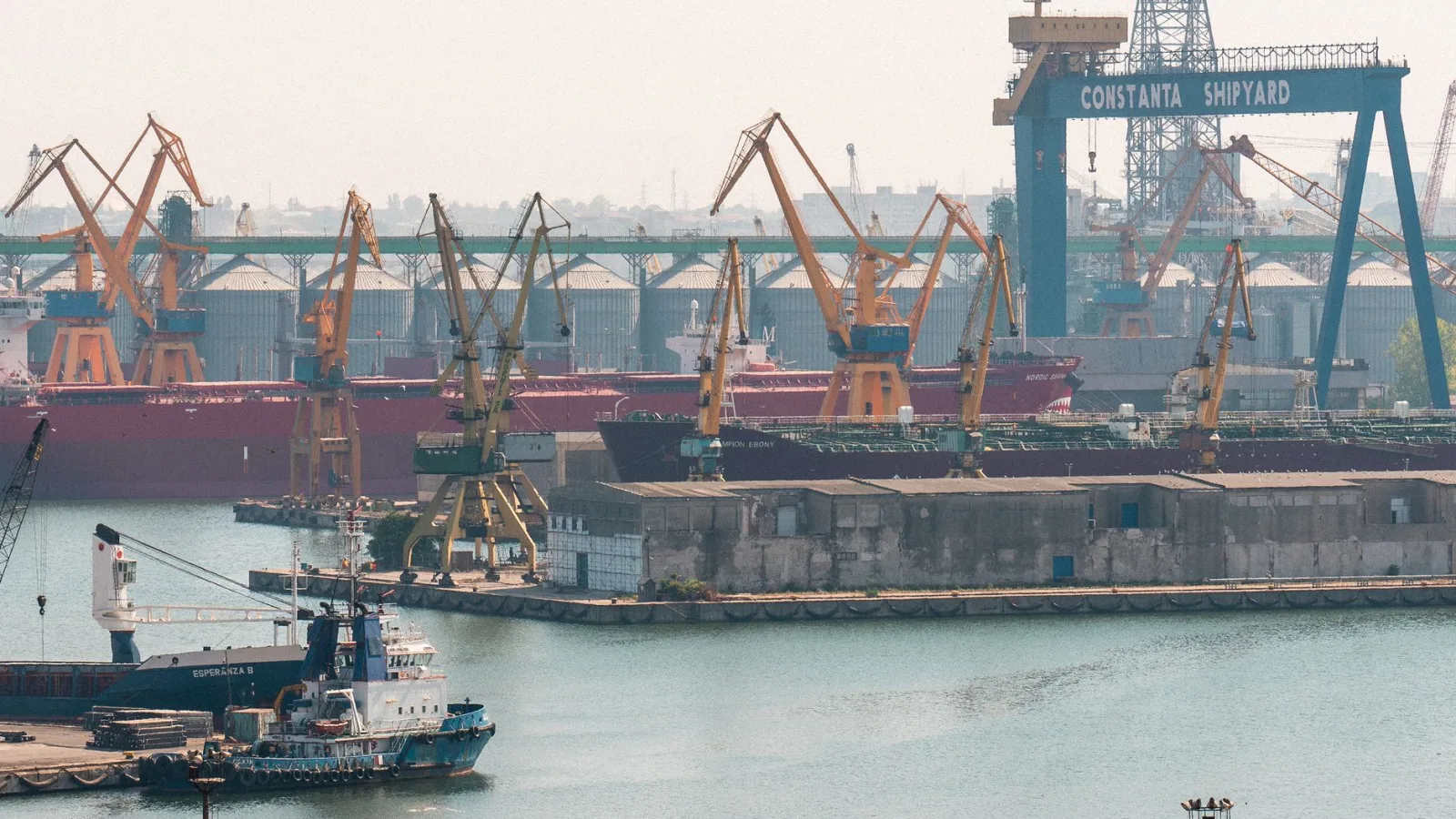
The latest developments revived long standing worries about the safety of key sea lanes. The Strait of Hormuz handles a significant portion of the world’s crude exports and most of the liquefied natural gas shipped from the Gulf. Any sustained threat to traffic through these waters tends to lift transport costs and reroute cargoes, with knock on effects for refiners and consumers. Oil markets reacted first, but analysts also tracked freight rates and insurance pricing for signs of broader disruption.
Energy markets price in higher regional risk
Oil traders moved quickly during early sessions, adding a security premium as reports of strikes and stalled negotiations filtered through the market. Brent and United States crude gained ground as buyers positioned for the possibility of tighter supply routes, even without a direct loss of barrels. The move followed a pattern seen in previous periods of tension, where futures prices adjusted before any measurable hit to physical flows.
The Gulf remains central to global energy supply. The Strait of Hormuz, which sits between Oman and Iran, carries a large share of seaborne crude and a major volume of liquefied natural gas. Disruption in this channel can delay deliveries to Asia and Europe, lift tanker day rates, and force ships to wait for naval escorts or take longer routes. Refiners often respond by drawing on inventories or shifting cargo schedules, while traders widen price differentials to reflect higher risk.
Diplomatic tracks falter despite active mediation
Regional and European partners kept mediation channels open this week, but talks did not produce an agreement. Officials sought to stabilise conditions through indirect contacts between Washington and Tehran, alongside separate efforts tied to wider regional ceasefire proposals. Negotiators focused on curbing attacks, lowering the tempo of military activity, and creating space for further talks, but timelines slipped and parties held to core demands.
The setback follows months of periodic engagement over nuclear constraints, sanctions relief, and regional security. Oman and Qatar have played hosting roles in past exchanges, while the European Union has coordinated steps tied to the nuclear programme. When these channels slow, regional actors often act on their own security calculations, which can feed into maritime incidents and cross border strikes. The absence of a clear framework this week left little room for rapid de escalation.
Security posture tightens around key sea lanes
Navies operating in the Gulf and adjacent waters increased patrols and updated guidance to ships. Maritime security centres advised masters to maintain higher watch levels, report suspicious activity, and follow registered transit corridors. Shipowners reviewed crew safety measures, while insurers assessed war risk areas and adjusted cover terms on a voyage by voyage basis.