Families in El Obeid are facing repeated drone strikes, severe food shortages and mounting fears of a wider assault as the conflict in Sudan puts further pressure on civilians in the Kordofan region, according to the Norwegian Refugee Council.
The aid organisation said the city, which is becoming increasingly encircled, has been hit by attacks affecting markets, schools, fuel stations, water facilities and vehicles. The warning comes amid concern that the Rapid Support Forces could launch a broader ground operation around the city, a scenario humanitarian groups have said could expose civilians to further abuses.
Jan Egeland, the NRC secretary general, said people in El Obeid were being forced to survive hunger while trying to avoid attacks. “In El Obeid, families are starving while dodging indiscriminate attacks just to stay alive,” he said. “The world has been warned about this crisis and let it happen anyway.”
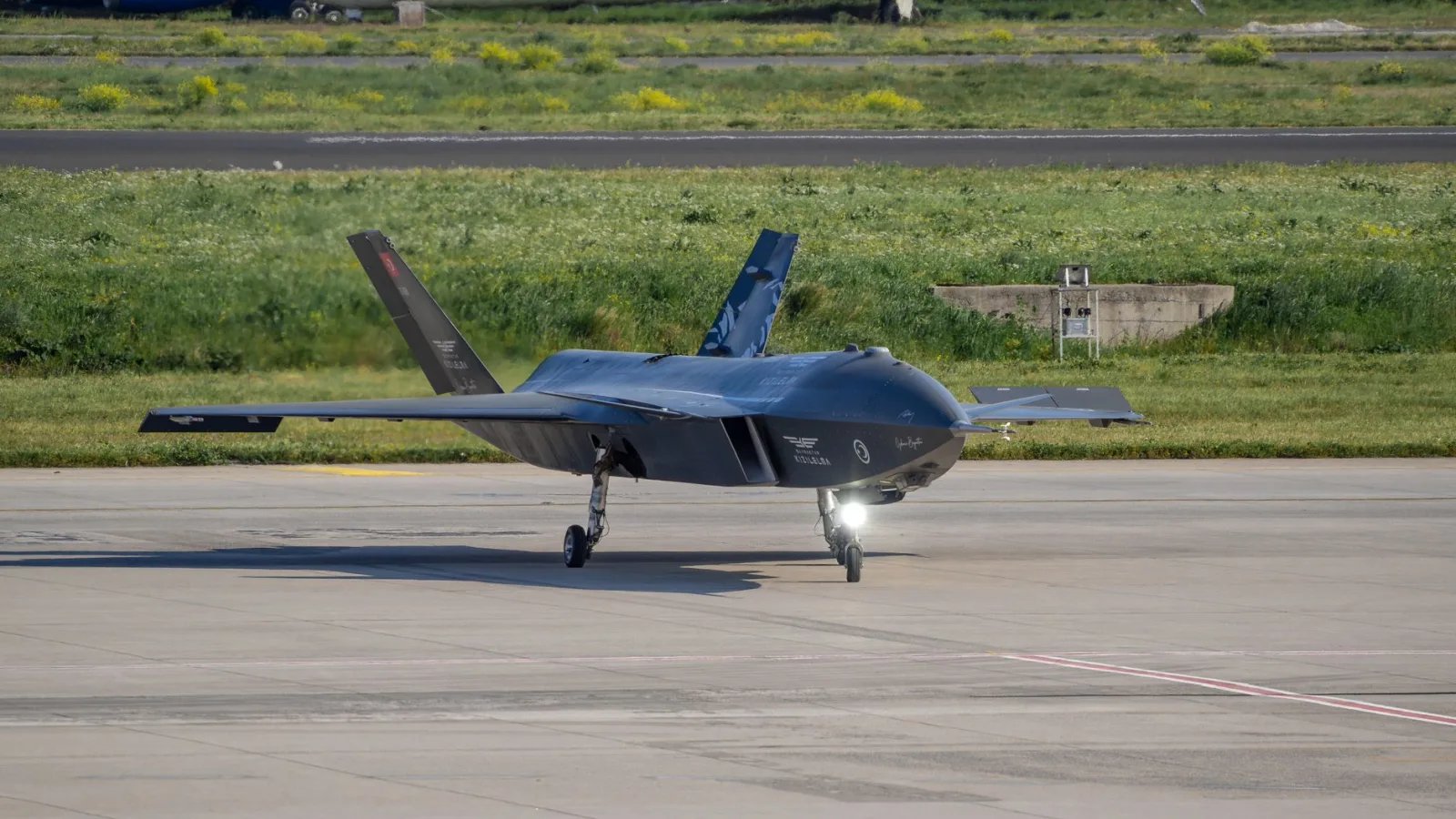
According to the United Nations, at least 45 civilians were killed in El Obeid over a three week period in June. The NRC said local reports indicated that drone strikes had repeatedly affected civilian sites and essential infrastructure, while an aid convoy travelling towards the city was struck last week.
The city is a significant urban centre in North Kordofan and lies in a region that has become increasingly important in the war between the Sudanese Armed Forces and the Rapid Support Forces. Fighting that began in April 2023 has fragmented control across large parts of Sudan, displaced millions of people and severely constrained humanitarian operations.
Aid groups have warned that developments around El Obeid could deepen the crisis across the Kordofan region, where civilians have already faced insecurity, displacement and restricted access to assistance. The NRC said some neighbourhoods had not received aid for months, citing information from local partners.
The organisation called for immediate measures to protect civilians, aid workers and local responders in and around the city. It said hospitals, schools, markets, water infrastructure, electricity facilities and fuel supplies must be protected from attack, and called for emergency funding and unrestricted humanitarian access to El Obeid and the wider Kordofan area.
The pressures on daily life are increasingly severe. With water systems damaged or out of service, families are queueing for long periods to collect water that may not be safe to drink. Once they return home, they must decide whether to use limited supplies for drinking, cooking or washing.
The start of the rainy season has added to concerns over public health. Humanitarian agencies frequently warn that damaged water and sanitation systems in conflict zones can increase the risk of cholera and other waterborne diseases, particularly where displaced families are living in crowded conditions with limited medical access.
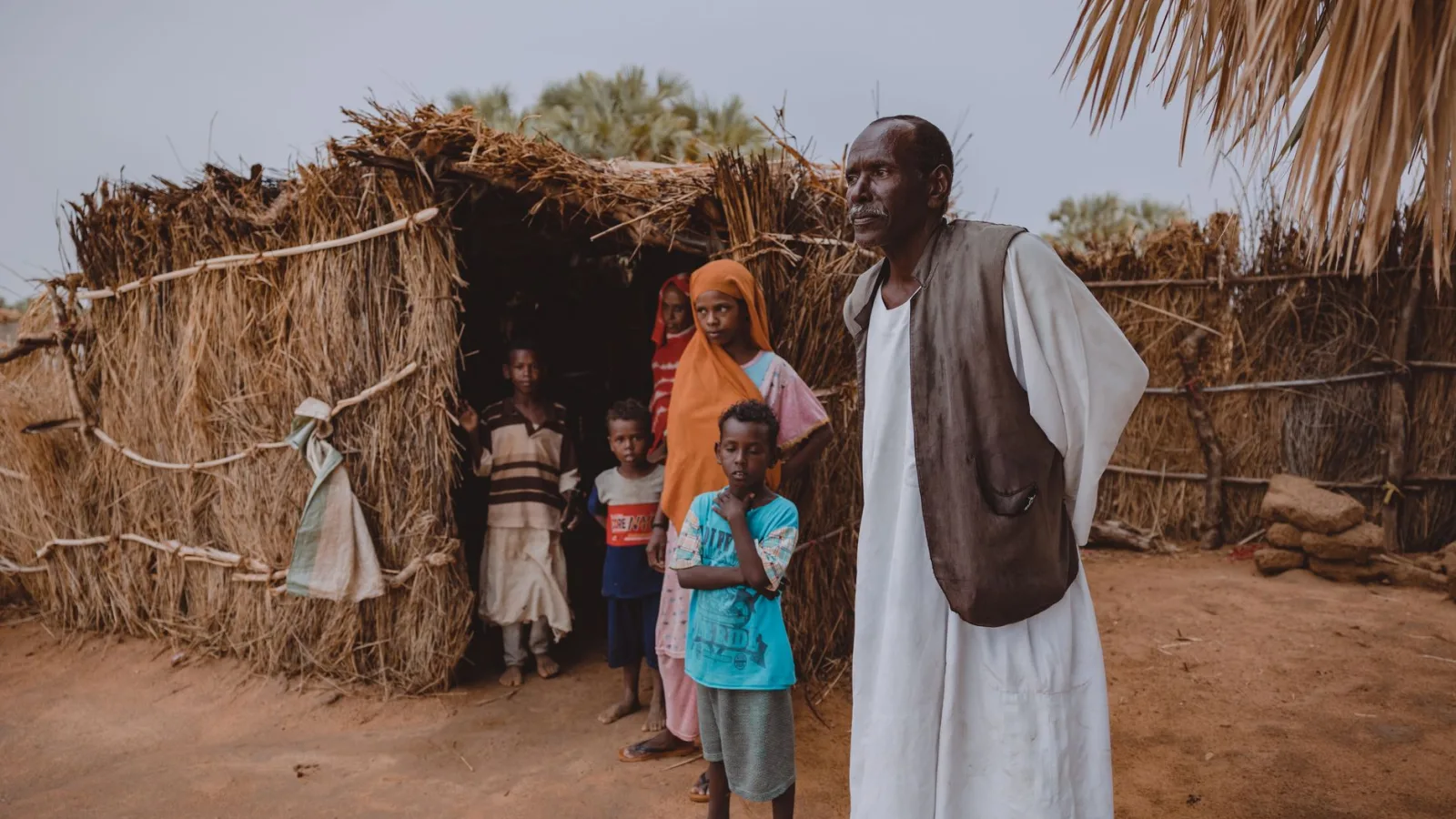
Food shortages are also worsening. The NRC said families have been mixing flour with water to give children something to eat because other food is either unavailable or unaffordable. Prices have risen sharply in areas where markets are disrupted and transport routes are unsafe.
Schools have remained open in some areas in an effort to give children a degree of routine, but the NRC said classes have had to be suspended on some days because of repeated strikes. Egeland said children were attending schools without basic services and in buildings that could not offer protection from attacks.
“Children go to school with no water, no electricity and no food, in buildings that cannot protect them from the strikes overhead,” he said. “At times, local responders deliver aid at night, because daylight has become more dangerous than darkness.”
The conflict is also undermining transport and escape routes. The NRC said fuel stations had been struck or closed and vehicles had been targeted on roads, pushing transport costs beyond the reach of many households. Its staff reported that the cost of one litre of fuel had risen to more than a teacher’s monthly salary.
Some families are selling possessions to pay for transport out of the city, while others remain trapped because they cannot afford to leave or do not know where they could safely go. The city is also hosting displaced people who previously fled violence in Al Fasher and other areas affected by the war.
El Obeid’s worsening conditions reflect a broader pattern in Sudan, where the conflict has damaged civilian infrastructure, disrupted supply chains and left aid agencies dependent on insecure access arrangements. Humanitarian operations have been hampered by fighting, administrative obstacles, funding shortfalls and attacks affecting aid routes.
Egeland urged international actors to press the warring parties and those with influence over them to prevent further harm to civilians. The immediate concern for aid organisations is that, without protection and access, El Obeid could face a deeper humanitarian emergency as hunger, disease risks and insecurity converge.