As Iran and the United States navigate the aftermath of recent hostilities, focus has turned once again to the prospect of diplomatic talks. While US officials suggested meetings in Doha could take place this week, Iranian representatives have publicly denied plans for immediate negotiations, indicating ongoing consultations with Qatari officials instead.
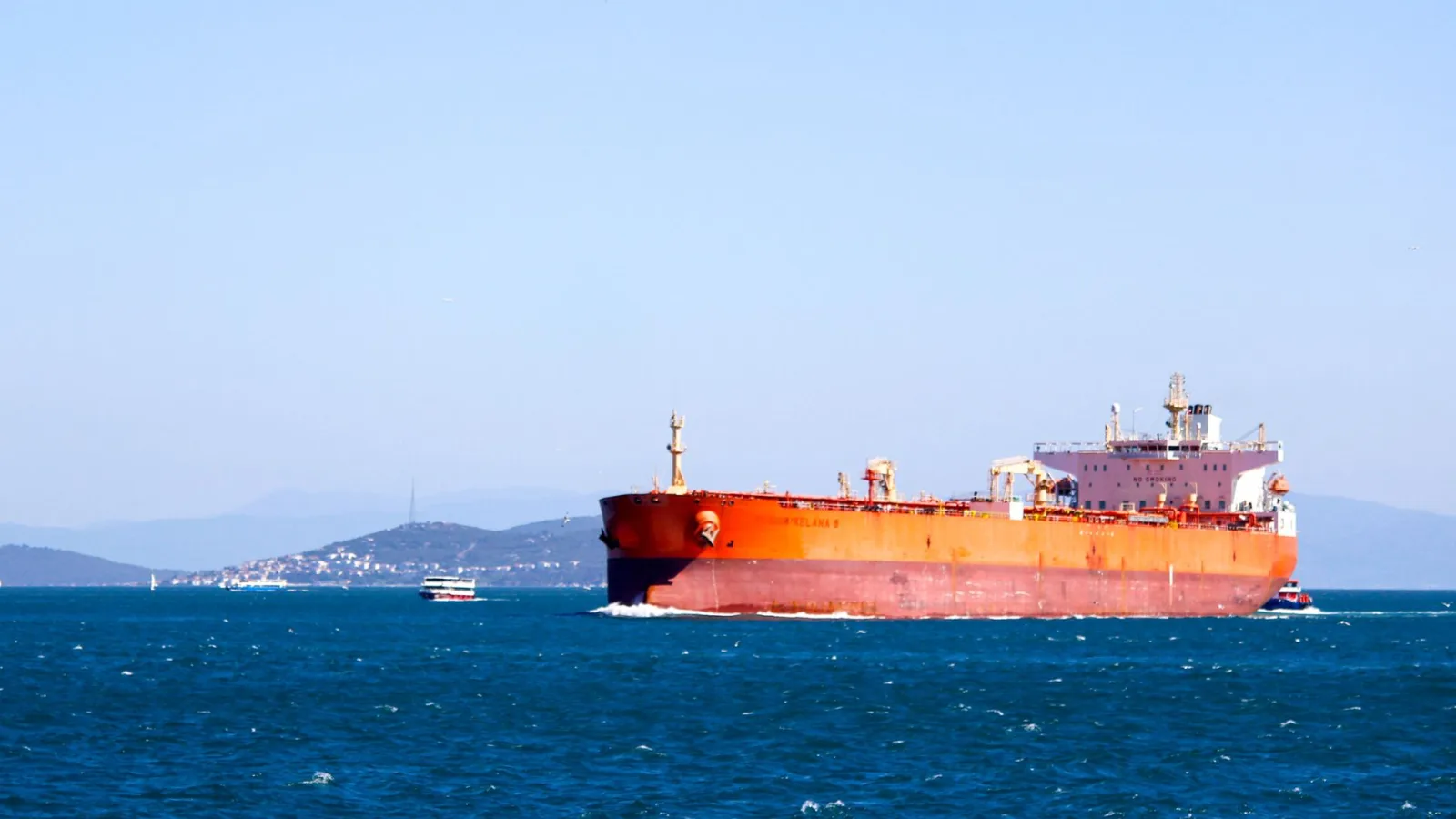
Recent exchanges of strikes between the two countries have underscored the fragility of the current situation. The attacks came shortly after both sides had agreed to a memorandum of understanding (MoU) on June 17 intended to reduce tensions, particularly around the Strait of Hormuz. The renewed violence followed Iran’s rejection of a US-proposed evacuation corridor for vessels, leading to assaults on commercial ships and subsequent retaliatory strikes by both countries.
The Strait of Hormuz remains at the heart of the dispute. As a critical energy export route, control and management of the strait have been a longstanding point of leverage for Iran during conflicts with the US. Iranian officials have stressed their central role, rejecting external involvement in navigation arrangements and emphasising that full operational capacity for the strait may take at least a month to restore.
Reporting suggests that recent hostilities violated provisions of the MoU, including commitments to ensure safe passage of commercial vessels without charges for a 60-day period. Iran has expressed interest in instituting fees for various services related to passage through the strait, although this proposal has been firmly rejected by Washington and its allies.
Efforts to establish a military hotline between the US and Iran aimed at preventing further confrontations have yet to yield tangible results. Meanwhile, Iran’s Islamic Revolutionary Guard Corps has indicated disinterest in such communications, leaving risk factors in the strategic waterway unresolved.
Another major point of contention involves Iran’s access to its financial reserves, many of which remain frozen internationally due to longstanding sanctions. The MoU provides for the gradual release of these funds once the agreement is fully implemented, but details on execution remain a subject of negotiation. Iranian authorities have been clear that previous partial releases did little to improve actual fund accessibility. President Masoud Pezeshkian expressed expectations that Qatar, which holds approximately $6 billion of Iran’s assets, will facilitate their release.
US officials have signalled that any fund disbursement will depend on Iran’s compliance with the MoU’s provisions. The agreement includes clauses stating that released assets must be fully usable by Iran’s Central Bank or designated beneficiaries, with all necessary authorisations issued by the United States. Washington has also indicated that the funds could be used for humanitarian purchases such as food and medicine, while Iranian central bank representatives have noted that buying agricultural products from the US would be a matter of economic judgement rather than obligation.
Regional dynamics, notably the situation in Lebanon, also figure prominently in Iran’s list of priorities. The MoU calls for a permanent ceasefire on all fronts, including Lebanon, where Iran-backed Hezbollah has engaged in conflict with Israel. Recent developments have seen Israel increase its military presence in parts of Lebanon through an agreement with the Lebanese government, a move that complicates the conditions laid out in the MoU. Hezbollah has criticised the arrangement, while Lebanese officials have viewed it as a potential step towards state authority reasserting control over southern Lebanon.
On the enduring nuclear issue, Tehran has maintained that its missile programme falls outside the scope of current negotiations. Hardline factions have expressed opposition to discussions on Iran’s nuclear rights altogether, emphasising adherence to Supreme Leader Mojtaba Khamenei’s directives. These groups advocate for demands that include cessation of sanctions, reparations for past conflicts, and guarantees against interference in Iran’s sovereignty.
Nonetheless, there remains indication from Iranian authorities that limited nuclear concessions could be considered, but conditional on a stepwise arrangement ensuring economic benefits from sanctions relief. This cautious approach highlights the complexity involved in balancing domestic political considerations with international negotiations.
As dialogue remains tentative, much will depend on future diplomatic gestures and mutual adherence to agreed terms. The significance of the Strait of Hormuz, financial asset access, and the broader regional context ensures that any forthcoming talks will need to address deeply embedded issues shaping Iran-US relations.