
Several leading international technology companies are likely to have sourced coltan, a critical mineral used in electronics, from supply chains controlled by the M23 militia operating in eastern Democratic Republic of the Congo (DRC), according to a new investigation by the NGO Global Witness.
The report, based on a year-long inquiry including interviews with smugglers and trade data analysis, identifies Amazon, Ericsson and Sony among the firms that may have acquired coltan smuggled from mines occupied by the M23 group in North Kivu province. Other multinationals, such as Microsoft, Toyota, Nvidia and Vodafone, are also potentially implicated through indirect supply routes.
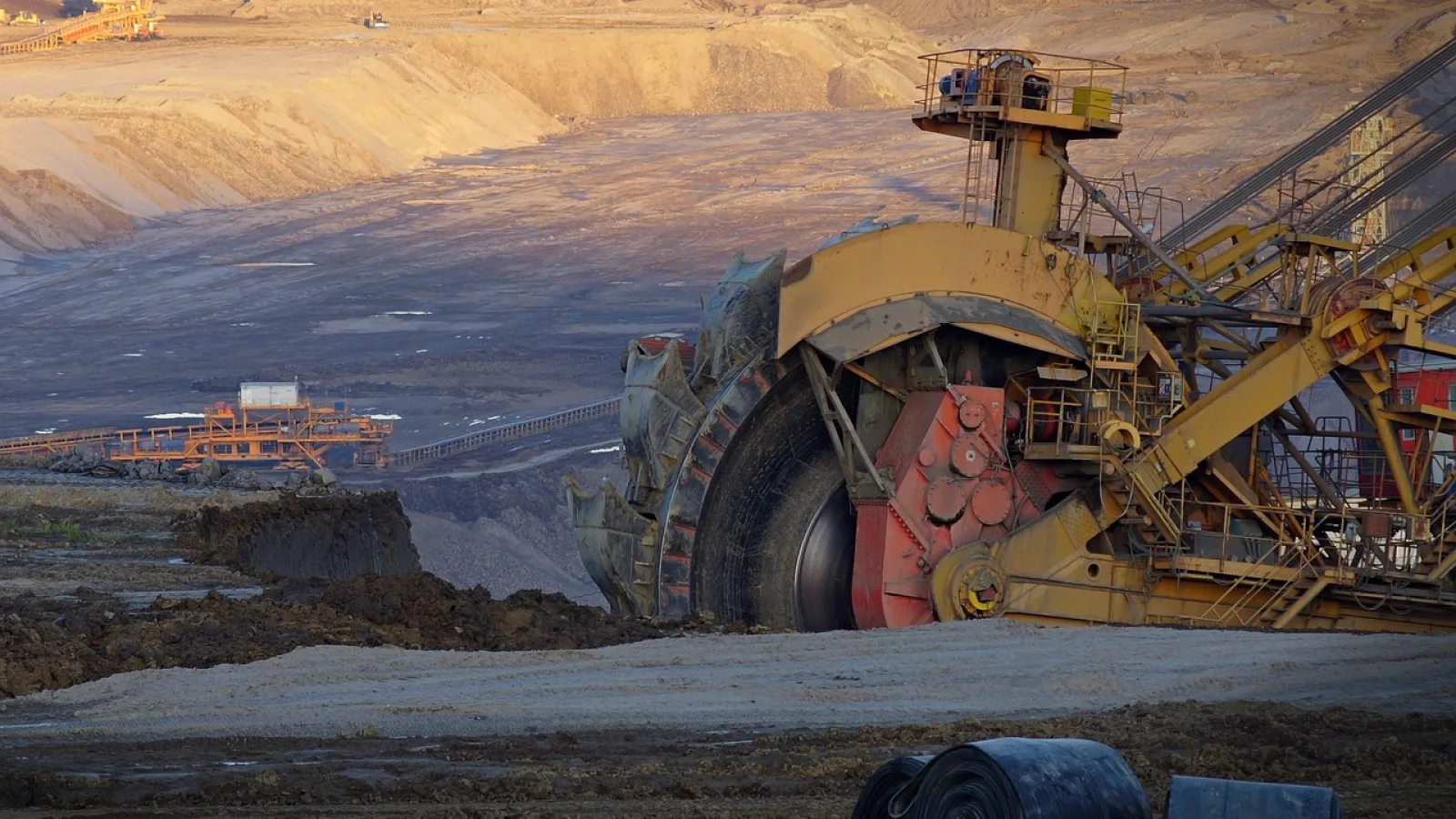
Coltan, which is refined into tantalum for use in capacitors, is mined in the Rubaya area, which accounts for some 15% of global coltan production. Since M23 captured control of these mines around two years ago, the militia has imposed levies on mineral extraction, generating revenues estimated by UN experts to be nearly £600,000 per month that fund its operations.
M23 has been linked to mass displacement of civilians, widespread violence and abuses including sexual violence and extrajudicial killings. Meanwhile, the minerals captured have been systematically smuggled across the border to Rwanda before entering international supply chains.
Global Witness reveals that five of Rwanda’s seven largest coltan exporters source significant quantities of minerals from M23-controlled areas. These exporters sell to processing facilities located in countries such as China and Kazakhstan, where the raw coltan is converted into tantalum and subsequently used in consumer electronics production worldwide.
The investigation raises concerns about the effectiveness of current due diligence mechanisms. Specifically, the International Tin Supply Chain Initiative (ITSCI), which is intended to ensure conflict-free mineral sourcing, appears to have failed in tracking minerals linked to the conflict in this region. Similar doubts are cast on the Responsible Minerals Initiative, widely relied upon by companies to certify their supply chains.
Alex Kopp, a senior policy and advocacy adviser at Global Witness, commented: "Behind our everyday tech lies a supply chain tainted by violence, exploitation and human suffering." The NGO called for stronger government oversight and sanctions against those who enable the armed group’s control over mineral resources.
The investigation also questions the role of Rwandan authorities in permitting the trade, with sources alleging official awareness of the smuggling networks. Previously, much of the illicit coltan crossed porous border areas less actively monitored, but the report notes an increase in shipments entering Rwanda through Goma, a border city under M23 control.
Responses from implicated companies have reiterated commitments to responsible sourcing. Amazon acknowledged its position as an indirect purchaser rather than direct buyer from mines or smelters and stated ongoing engagement with suppliers to enhance auditing. Ericsson confirmed it is reviewing its supply chain data and smelter certifications in light of the report. Vodafone emphasised its reliance on certified suppliers and externally managed responsible sourcing programmes.
This development highlights ongoing challenges in ensuring supply chains for essential electronic components do not finance armed conflict or human rights abuses. The complex network of intermediaries, multiple cross-border transfers and limitations of existing traceability frameworks complicate accountability efforts.
Until companies, governments and international bodies strengthen enforcement and transparency measures, minerals from conflict zones like eastern DRC risk continuing to finance armed groups, perpetuating violence and instability in the region.