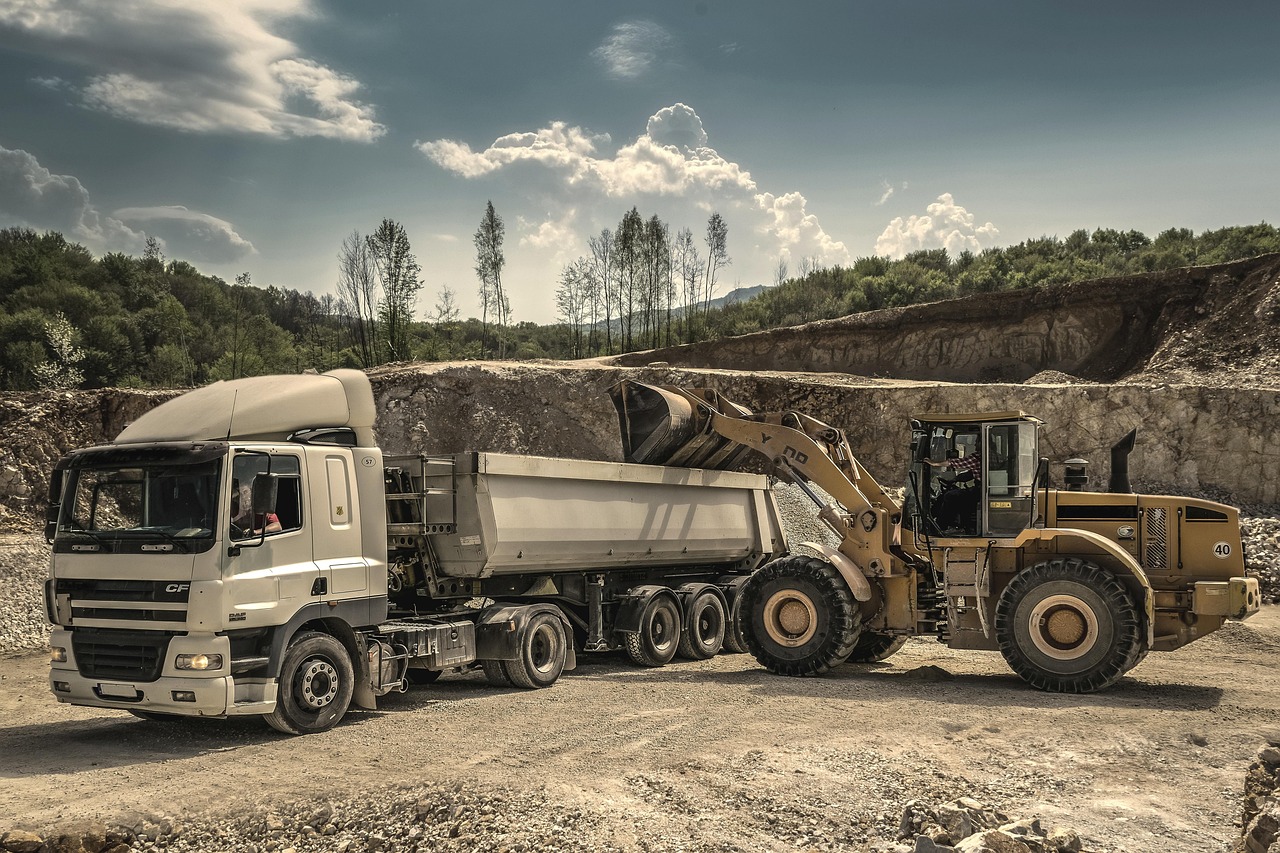
A new market forecast points to stronger demand for rebar trucks through 2035, as governments and developers press ahead with infrastructure modernisation and large building programmes. The projection, published by the market intelligence firm IndexBox, links the expected rise to sustained investment in roads, bridges, rail lines and housing. That work depends on regular deliveries of steel reinforcement bar, a heavy and awkward load that requires specialist vehicles and trained drivers. If the forecast bears out, operators will need to scale fleets, upgrade equipment, and manage costs while meeting tighter safety and emissions rules in busy urban areas.
The outlook matters beyond the construction sector. More movements of heavily laden lorries on local roads bring questions about community safety, traffic management and road wear. Fleet managers face decisions on load security, driver training and route planning. Policymakers will weigh how to balance faster project delivery with emissions goals and city freight restrictions. The market may grow, but the practical demands on those moving rebar will also rise.
What a stronger rebar truck market means for construction timelines
The forecast signals more pressure on construction logistics. Rebar deliveries underpin concrete works on roads, bridges, stations and large residential blocks. Sites often run on tight schedules, with rebar drops timed to crane slots and pour windows. Any missed delivery can stall crews and plant. As orders rise, the supply chain must add capacity without losing reliability. That calls for more vehicles, better planning tools and closer coordination between mills, stockholders, hauliers and site managers.
Rebar also poses handling challenges. Lengths vary, bundles can flex, and drop sites are often constrained by narrow streets or temporary traffic management. Operators may need more vehicles with self offload cranes, improved stanchions and upgraded securing gear to keep pace with demand while protecting workers and other road users. The more sites that go live at once, the sharper the competition becomes for scarce delivery slots in dense urban areas.
Load security, routing and driver skills will sit at the heart of operations
If volumes increase, so does the need for robust load security. Authorities in many markets have tightened expectations on how operators lash and brace steel loads. Enforcement teams continue to target insecure consignments because rebar can shift, roll or overhang. Operators will likely invest in additional training and standard operating procedures, and in equipment such as edge protectors, anti slip mats and purpose built posts. This focus will not only reduce risk but also cut roadside delays from compliance checks.
Routing will need the same level of attention. Rebar consignments can create long overhangs and high axle weights. Drivers must plan around bridge limits, temporary closures and contraflows near sites. In cities, local delivery windows, school streets and clean air rules complicate timing. Digital planning tools can help, but firms still rely on local knowledge to avoid tight turns, low bridges and sensitive routes. A larger market for rebar trucks means a larger premium on those skills.
Safety and urban rules will shape how fleets grow
More heavy goods vehicles on city streets focus attention on safety. Regulators continue to push for better direct vision from cabs, proximity sensors and safer approach speeds where lorries mix with people walking and cycling. Some cities, including London, already operate direct vision rules for large lorries. As rebar flows rise, operators will need to match equipment to the routes they serve, and clients will expect demonstrable compliance before they issue delivery passes.
Construction logistics plans now feature more often in project approvals. Principal contractors ask suppliers to evidence driver training, route risk assessments and control of site interface risks. Those steps add cost and time, but they reduce incidents and community complaints. A buoyant market will not relax these standards. If anything, it will encourage more schemes to adopt formal safety requirements as traffic volumes climb.
Emissions targets and fuel costs will influence fleet choices
Operating costs remain a central concern. Fuel prices have proven volatile in recent years, and rebar loads are not light. Operators will look for incremental gains through driving style coaching, careful tyre selection and reduced idling on site. They may also explore alternative fuels where supply exists, although availability and price vary by region. Any sustained rise in demand to 2035 will draw attention to these cost levers.
Zero emission options for heavy construction deliveries are advancing, but technical limits still constrain widespread use for long and heavy routes. Battery electric trucks now serve some urban runs with depot charging, while hydrogen trials continue in several markets. Payload, range and charging dwell times remain key hurdles for routine rebar work. Fleet managers will likely adopt a mixed approach, using zero emission vehicles where duty cycles allow, and cleaner combustion units that meet the latest standards elsewhere. Policy incentives and charging infrastructure will determine how fast that balance shifts.
Supply chain resilience and the role of rail and ports
A larger rebar truck market depends on upstream reliability. Rebar flows begin at mills or import terminals, pass through stockholders, and end at complex sites. Any interruption at a port, a mill outage or a border delay can ripple across job schedules. Companies that serve major projects often diversify sources, pre stage material near sites and keep buffer stock where space allows. Those tactics reduce risk but tie up working capital and yard space.
Rail can move bulk steel efficiently over longer distances, and some corridors already rely on it. Even then, trucks handle the final leg to site. If road networks around terminals clog, any gains from rail evaporate at the kerb. Coordinated planning across modes matters. Investment in terminal access roads, off site consolidation and better booking systems could lift throughput without adding as many lorry trips at peak times.
What communities and local roads can expect as deliveries scale
More rebar deliveries bring more heavy vehicles to local streets. That raises concerns about noise, air quality and safety near schools and homes. Councils and contractors often manage these effects by agreeing delivery windows, using marshals at site gates and setting defined approach routes. If the market continues to grow, those measures will become more common. Residents and businesses value predictability as much as volume reduction.
There is also an impact on road wear. Heavy loads stress surfaces, particularly on roads not built for frequent lorry movements. Highway authorities watch condition data and may seek developer funding for repairs around major sites. Operators can help by spreading arrivals, avoiding sharp turning on weak pavements, and using vehicles with appropriate axle configurations. Small steps can cut damage and reduce unplanned closures that delay projects.
The IndexBox forecast, published on 3 June 2026, sets this context against a long planning horizon to 2035. It highlights infrastructure modernisation as the core driver of demand, across multiple regions and sectors.
The expected rise in rebar truck demand points to a busy decade for construction logistics. If projects proceed at pace, hauliers will scale up and invest in safer, cleaner and more capable fleets. Regulators will press for stronger load security and better urban protections, while clients will demand reliable, timed deliveries that do not disrupt neighbours. Fuel economics and the pace of zero emission rollout will shape operating choices route by route. Communities will want clear plans for routing and delivery windows to keep streets safe and liveable. The market signals look positive, but the practical work now sits with operators, contractors and authorities to ensure that growth delivers projects on time without trading away safety or air quality.