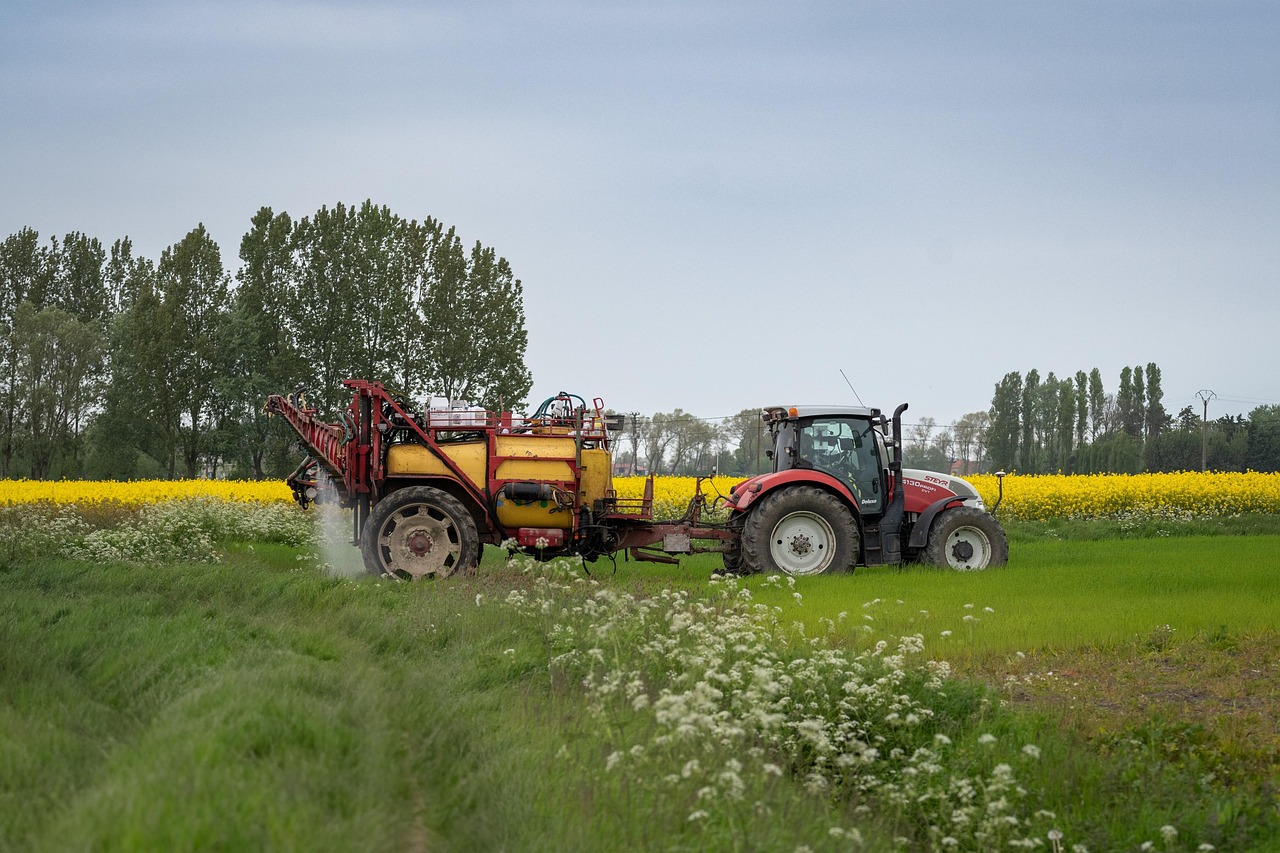
Senior officials and experts from BRICS have opened a five day meeting in Indore to focus on global agriculture, food security and farmer welfare, with trade and resilience set high on the agenda. Delegations from across the bloc, along with partners in a wider BRICS plus format, will examine how to protect supply chains, improve market access and support producers under pressure from rising costs and climate risks. The discussions aim to find practical areas of cooperation that can strengthen national policies while easing cross border frictions. While the talks will range across the agriculture sector, the common thread is how to keep food affordable and available, and how to ensure farmers share in the gains from trade and technology.
Food security and farmer welfare shape the talks
Food security and farmer welfare sit at the centre of the week’s programme. The focus reflects concerns that many countries face at the same time. Evolving weather patterns, higher input costs and market volatility continue to test both consumers and producers. Governments want to secure reliable supplies of staples at stable prices. They also want to improve incomes for farmers who have faced sharp swings in costs for fertiliser, fuel and transport in recent years.
The BRICS platform offers a setting for members to compare approaches that link safety nets with productivity gains. Delegates will look at measures that can help smallholders gain better access to credit, advisory services and markets. They will also consider policies that support crop diversification, risk management and local storage. The aim is to equip farmers to manage shocks while maintaining food supplies. The welfare framing signals that any trade or technology measure should include clear benefits for producers on the ground.
Trade and resilience across borders
Trade and resilience run together through the agenda, reflecting the BRICS plus theme of agriculture beyond borders. Many countries remain exposed to disruptions at ports, bottlenecks in logistics and sudden restrictions that can limit exports or push up import prices. Delegates are discussing how to reduce these risks through more predictable rules, better coordination and investment in infrastructure that speeds up the movement of goods.
Resilience also means tackling non tariff barriers that can hold back trade in food and inputs. Shared approaches to standards, certification and traceability can cut delays and costs. Improved transparency on stock levels and harvest outlooks can help traders and public buyers plan ahead. The meeting offers space to explore these issues and to test whether practical steps can build trust in supply chains that serve large populations both within and beyond the bloc.
BRICS and BRICS plus: a wider policy frame
The presence of partners in a BRICS plus setting reflects a wider policy frame. Food systems cut across regions and income levels. Many countries share concerns over access to inputs, the stability of staple food markets and the effects of extreme weather. A broader dialogue can help align priorities on investment, innovation and trade facilitation, even when national policies differ.
A larger group can also support regional initiatives. Cross border projects on storage, cold chains and digital market platforms require coordination among neighbours. The BRICS plus format allows participants to compare experience and identify where resources can be pooled. While any outcomes will depend on domestic processes, the exchange of operational detail on what has worked elsewhere can speed up policy design at home.
Policy tools under review
Delegates are reviewing a wide range of policy tools. These include measures to improve market information for farmers and buyers, steps to support extension services and training, and options to lower losses from harvest to retail. There is likely to be attention on data systems that track weather, pests and prices, as well as on platforms that link farmers to buyers more directly.
Input markets remain a sensitive area. Fertiliser availability and cost have swung in recent years, with knock on effects on yields and prices. Countries are exploring how to secure supplies through diverse sourcing, domestic production where feasible, and more efficient use on farm. Discussions often return to the balance between short term relief when prices spike and long term investment that raises soil health and water efficiency.
Indore’s role and India’s hosting
Indore provides a practical setting for a detailed agriculture dialogue. The city’s location in a state with a large farming base offers scope for exchanges that connect policy with operations. Hosting a five day programme also allows time for technical sessions where officials and experts can examine implementation details, not only broad aims.
India’s hosting underlines its active role in international discussions on food systems, value chains and farmer support. The country has a large domestic market and a complex farm economy, and it has engaged in debates on public stockholding, digital agriculture and sustainable practices in recent years. The Indore meeting gives Indian institutions a chance to share lessons and to hear how other countries have addressed similar problems.
Links to global debates on food systems
The meeting sits within wider global debates on how to make food systems more secure and more sustainable. Countries continue to weigh how to meet rising demand while limiting environmental pressures. Efficiency gains in irrigation, soil management and post harvest systems form part of that discussion. So do market reforms that improve price signals and reduce waste.
International coordination remains important when shocks cross borders. Transparent export policies, better emergency planning and clear communication can limit panic buying and price spikes. At the same time, investment in research and innovation helps countries adapt to changing conditions. The BRICS platform allows participants to align on principles even when they pursue different policy mixes at home.
What to watch over the week
Over five days, the meeting will test where countries can move from broad alignment to concrete cooperation. Areas to watch include commitments to share data on markets and crops, steps to improve mutual recognition of standards and certificates, and proposals to streamline customs and logistics for agri food trade. Any signals on joint work in research or training would also show a shift from dialogue to delivery.
Formal outcomes are not yet confirmed. Such meetings often conclude with a joint statement that lists agreed themes and next steps. If issued, this would set a work plan for the months ahead and provide a reference point for future ministerial meetings. Observers will look for detail on timelines, focal areas and the level of technical engagement between agencies.
The week ahead in Indore places BRICS agriculture back in a practical frame. Delegates are working to match food security goals with farmer welfare, while reducing frictions in cross border trade. The focus on resilience and cooperation reflects lessons from recent disruptions and the need to support producers as conditions change. If the meeting can convert shared aims into specific tasks on data, standards and logistics, it could help stabilise markets and improve livelihoods. The immediate test lies in whether participants can agree a clear set of actions that endure beyond the week’s discussions and begin to shape day to day operations in the sector.