Cameroon’s President Paul Biya has reshuffled senior military posts while remaining outside the country, a move that has drawn renewed attention to the functioning of state institutions during his prolonged stay abroad.
The 93-year-old leader, who has not been seen at a public engagement in Cameroon for nearly two months, signed a series of decrees on Monday from Geneva, where officials say he has been staying since leaving the country on 7 June for what was described as a brief private visit.
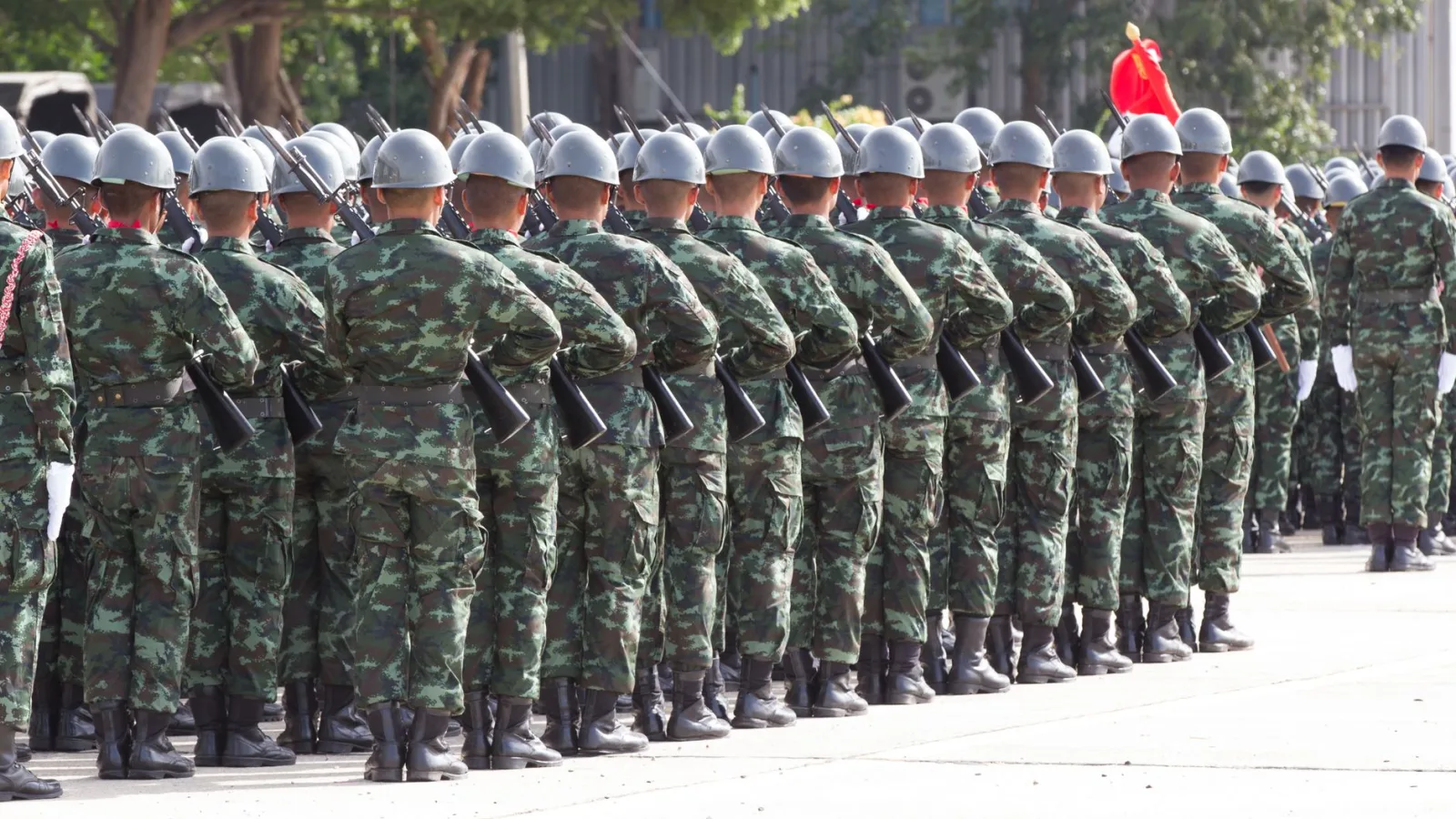
The decrees named officials to key positions in the armed forces and promoted five colonels to the rank of brigadier general. Among them was Raymond Jean Charles Beko’o Abondo, who was immediately retained as commander of the presidential guard, the elite unit responsible for the president’s security. He has held that post since 2013.
Military appointments are not unusual under Biya, who has led Cameroon since 1982 and is widely described as the world’s oldest serving president. His administration has periodically adjusted senior defence and security positions during moments of political sensitivity or heightened public scrutiny.
Cameroon carried out a military reshuffle after the 2023 coup in neighbouring Gabon, where the Bongo family’s long rule was brought to an end. Yaoundé also changed senior army positions during Biya’s campaign for an eighth term in office in last year’s presidential election, and further promotions in the defence and security services were announced in June.
The latest changes, however, have attracted particular attention because they were issued while the president remains abroad and because the government has given limited information about his activities, schedule or expected return. The absence has prompted widespread public discussion, especially on social media, about the management of executive authority.
Government officials have rejected claims that Biya is incapacitated or that there is a vacancy at the head of state. Communication Minister René Emmanuel Sadi told the French-language broadcaster RFI that the president was alive, continued to work from Geneva and would return to Cameroon soon.
Opposition figures have challenged that account. Mamadou Mota, vice-president of the Cameroon Renaissance Movement, has argued that the president’s absence has created what he called an institutional vacuum. The party has said executive power should be exercised from within the country rather than remotely from abroad.
The debate has also been shaped by earlier restrictions on reporting about Biya’s health. Press freedom groups criticised a directive announced two years ago that barred Cameroonian media outlets from reporting on the president’s medical condition. The government has since continued to dismiss reports that he has been hospitalised.
During his stay in Geneva, Biya has signed other decrees, including measures authorising the government to enter loan agreements with international financial institutions. Those decisions have reinforced the government’s position that the president remains actively engaged in state business, while also raising questions among critics about transparency and oversight.
Cameroon’s political system places substantial authority in the presidency, making the president’s physical absence a matter of institutional significance. After last year’s election, Biya said he would name a new cabinet, but no new government has yet been announced. A vice-presidential post created in April also remains vacant.
The combination of pending appointments, military changes and limited public information has placed renewed focus on succession procedures and administrative continuity in a country facing security, economic and governance challenges. Cameroon continues to deal with conflict in its anglophone regions, threats from armed groups in the far north and pressure on public finances.
For now, the government maintains that there is no constitutional crisis and that Biya remains in charge. The military reshuffle demonstrates that formal decisions are still being issued in his name, but his continued absence from Cameroon is likely to keep questions over transparency and institutional confidence at the centre of national debate.