Moscow has come under one of its most significant aerial attacks from Ukraine, with a swarm of at least 620 drones targeting the region surrounding the Russian capital, according to Mayor Sergei Sobyanin. The unprecedented assault, which marks the second consecutive night of intense drone activity, forced temporary restrictions on flights at Moscow's airports.
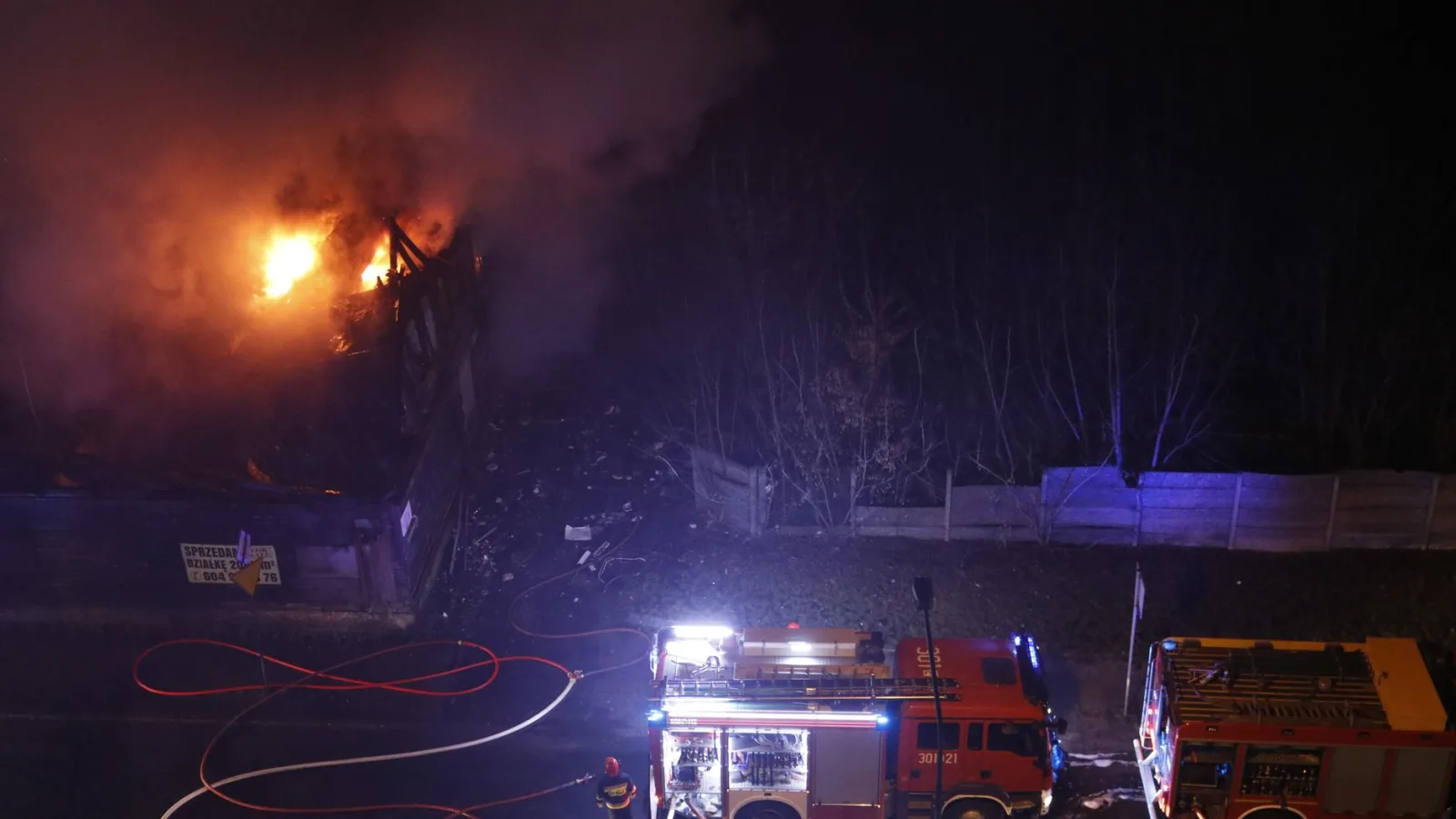
Mr Sobyanin stated that Russian forces managed to down at least 180 drones in the Moscow region overnight. Regional governor Andrei Vorobyov separately reported that drones struck a warehouse belonging to the Russian e-commerce company Wildberries near Moscow, causing a fire that has since been extinguished. The attack also resulted in damage to other buildings, including private houses, apartment blocks, shops, and a power station.
At least three people were injured in the region, including a 10-year-old girl, Mr Vorobyov confirmed. Ukraine has reportedly targeted at least seven of the ten largest Wildberries warehouses in the past month, asserting the company's complicity in Moscow's conflict against Kyiv. Kyiv has intensified its operations inside Russia this year, increasingly deploying long-range missiles and drone swarms against military industries and energy facilities.
The extensive drone attack follows a stern warning from Russia to the United Kingdom, threatening "unspecified consequences" after accusing Ukraine of deploying British-made drones to strike targets deep inside Russian territory. The Russian embassy in the UK claimed these attacks involved British drones, stating that the UK was "deliberately opting for an escalation of the Ukraine crisis."
"London's actions will inevitably carry consequences for which it will have to answer," the embassy said. In a further statement, the embassy accused the UK of "acting as an accomplice and co-perpetrator of the bloody crimes and terrorist attacks," adding that "the deeper its involvement in the conflict, 'the higher the price it will pay'."
In response, a spokesperson for the Ministry of Defence (MoD) told BBC News that Britain stands "shoulder to shoulder" with Ukraine. The spokesperson added: "Russia should be in no doubt about the resolve of this Government to stand against Russian aggression, in Ukraine and against the UK and our allies." The UK government reaffirmed its commitment to "providing the equipment Ukraine needs to defend itself against [Russian president Vladimir] Putin's illegal invasion."
Meanwhile, an investigation by The Telegraph, utilising satellite imagery and leaked documents, indicates that Russia has constructed and expanded at least 10 new secret bases, equipped with at least 59 new launch rails. These bases are reportedly designed to launch large numbers of jet-powered suicide drones, intended to overwhelm Ukrainian air defences as Moscow bombards military and civilian targets across the country.
The report suggests that these hi-tech drone bases, situated along Russia's borders with Ukraine and Belarus, would also enable the drones to reach Kyiv's allies within NATO territory, raising concerns about potential escalation beyond Ukraine's immediate vicinity.
Further international developments include Russia's strengthening ties with North Korea. Russian Foreign Minister Sergei Lavrov has lauded North Korea's role in fighting to eject Ukrainian forces from the Kursk region, stating in a letter that they succeeded in driving out a "Ukrainian Nazi clique."
According to North Korea's state news agency KCNA, Mr Lavrov wrote in a letter to North Korean foreign minister Choe Son Hui that North Korea and Russia are collaborating to establish a "new and righteous world order." Pyongyang reportedly deployed troops to Russia since late 2024, assisting Moscow in retaking a portion of Kursk that had been captured by a Ukrainian counteroffensive. The Kremlin routinely labels the Ukrainian administration as “neo-Nazis,” despite the country having a Jewish president who lost relatives in the Holocaust and leading a democratically elected government supported by Western nations. President Putin has pledged to continue fighting in Ukraine until Moscow achieves the country's "demilitarisation," "denazification," and neutrality, unless Kyiv agrees to a deal meeting these objectives.
Domestically, a prominent Russian macroeconomist, Andrei Klepach, who served as the chief economist for the state development bank VEB, has reportedly been fired. Mr Klepach is understood to have made remarks at a financial forum in May, comparing Russia's contemporary economy to the 1917 revolution, according to reports by Russian media last week. Two sources familiar with the matter informed Reuters that he warned of the country falling behind Western nations and China, and experiencing increasing economic damage stemming from the war in Ukraine.