Lebanon’s health ministry announced on Monday that the death toll from Israeli strikes during the recent conflict with Hezbollah has exceeded 3,000, underscoring the sustained violence despite ongoing diplomatic efforts to de-escalate the situation.
The ministry reported 3,020 fatalities nationwide since the conflict intensified in early March. The fighting began after Hezbollah launched rocket attacks on Israel on 2 March, following an Israeli strike that killed Iran’s supreme leader. This escalation drew Lebanon into the broader war, resulting in significant civilian and military casualties.
Efforts to establish a ceasefire have so far only resulted in a fragile truce. Lebanon and Israel agreed last Friday to extend their truce by 45 days, with negotiations scheduled to resume in early June. Despite this, the health ministry reported that over 400 deaths have occurred since the ceasefire came into effect on 17 April, indicating frequent breaches by both sides.
The ceasefire agreement, brokered by the United States, permits Israel to continue strikes targeting Hezbollah’s military capabilities. Lebanon has condemned these operations, arguing that they undermine national sovereignty and efforts to control weapons held by armed groups.
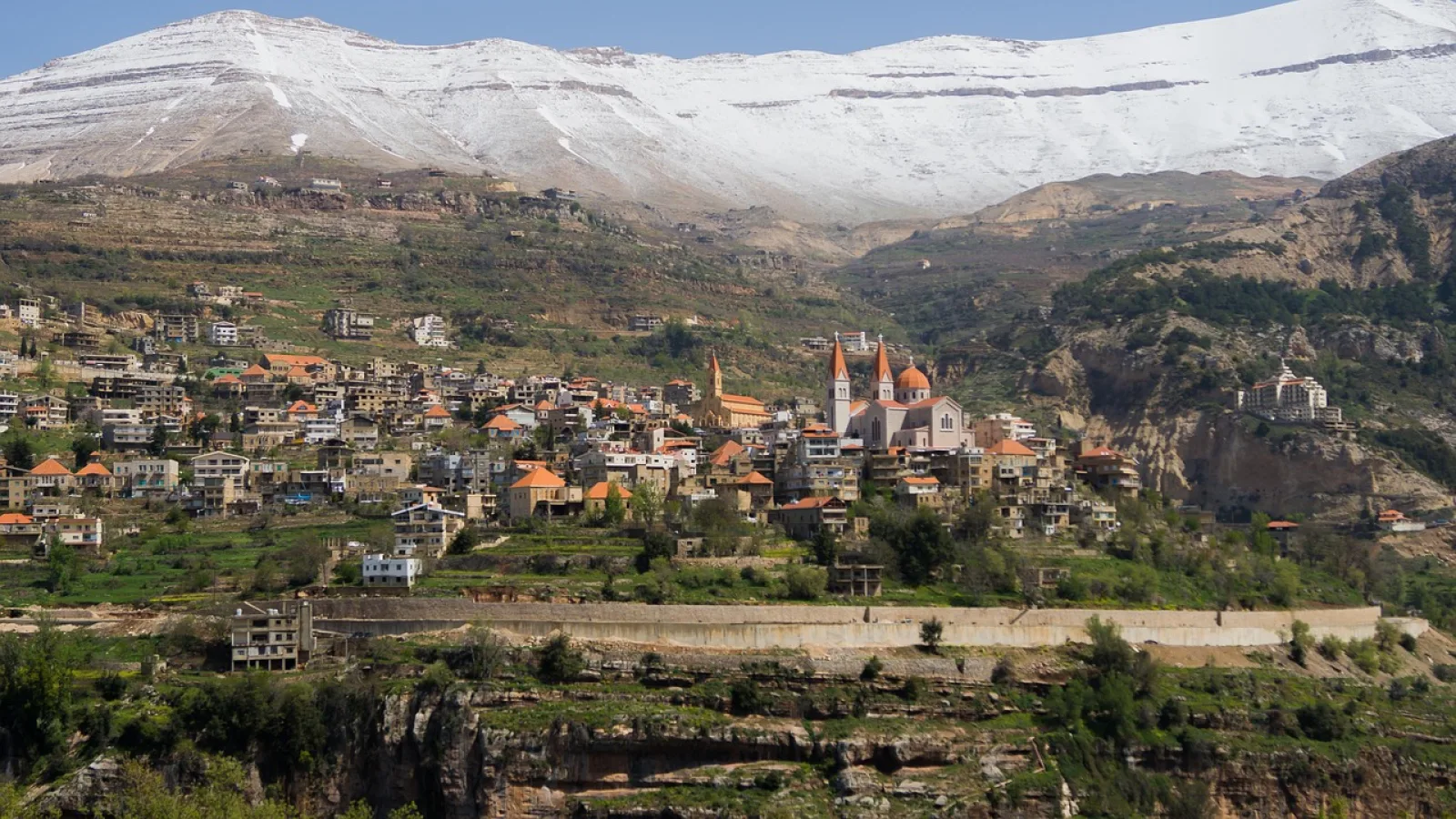
Following the agreement to extend the truce, Israeli airstrikes have persisted, particularly in southern Lebanon and the Bekaa Valley. A sweeping series of strikes on Saturday affected more than two dozen villages, with only a minority receiving advance evacuation warnings. The attacks have caused numerous civilian casualties and extensive damage.
On the same day, Hezbollah announced it had launched a series of drone attacks against the Yaara military barracks in northern Israel and reported several operations against Israeli forces in southern Lebanon. The Israeli military confirmed the death of a soldier during clashes on Saturday, raising its combat fatalities since early March to 20. Four Israeli civilians have also been reported killed in the conflict.
Meanwhile, Israeli ground units maintain control over a roughly 10-kilometre-wide strip of territory inside Lebanon’s southern border, territory seized during the ongoing hostilities.
The continuation of violence despite the ceasefire extension highlights the complex and volatile dynamics in the region. Both sides remain entrenched in their positions, with bilateral talks seen as crucial to reducing further loss of life and restoring stability.