India’s Commerce Secretary highlighted growing trade among BRICS nations during a gathering in Gandhinagar, underlining how the bloc’s expanding economic links now shape supply chains, energy flows and investment decisions across emerging markets. The remarks, reported by Construction World India, presented BRICS as an increasingly important channel for Indian exporters and importers at a time of shifting global demand and continued pressure on shipping routes.
Officials and industry representatives at the Gandhinagar meeting heard that India sees stronger commercial ties with BRICS and its newer partners as a way to support jobs, secure critical imports and encourage infrastructure growth. The message reflects New Delhi’s wider effort to diversify export markets, strengthen payment systems and improve trade resilience after several turbulent years for global commerce.
The comments also feed into a broader debate about how BRICS trade may evolve following the bloc’s recent expansion, rising energy trade within the group, and ongoing efforts to reduce friction in international payments. While no detailed targets were announced, the emphasis on momentum suggests India sees BRICS as a long term strategic growth platform rather than a short term political arrangement.
The remarks were delivered on Tuesday, 19 May 2026, in Gandhinagar, Gujarat, according to Construction World India. Gandhinagar, which hosts the GIFT City financial centre, has become an important venue for discussions around export competitiveness, investment flows and infrastructure finance.
BRICS Trade Expansion Shapes India’s Strategy
Officials said trade among BRICS members has strengthened in recent years, driven partly by necessity and partly by opportunity. Indian policymakers increasingly view the bloc as central to energy security, minerals access and diversified export growth. Businesses operating in chemicals, engineering goods, pharmaceuticals and agricultural products continue to look toward Brazil, Russia, China and South Africa for demand, supply partnerships and logistics support.
Rising trade activity within BRICS also supports investment in ports, warehousing and digital trade systems that can lower costs for exporters. India’s priorities within the bloc remain focused on expanding access for higher value goods, maintaining reliable energy and commodity supplies, and improving the speed and reliability of logistics and payment systems.
The Commerce Secretary’s comments reflected these goals. Indian exporters have entered new product sectors, while importers have sourced cheaper or more stable supplies of crude oil, fertilisers and industrial inputs from BRICS partners. These shifts have become increasingly important as businesses continue adjusting supply chains following the pandemic, the energy disruptions after 2022 and continuing pressure on major shipping routes.
How the Expanded BRICS Bloc Changes Trade Flows
The expansion of BRICS also changes the commercial landscape. The grouping originally consisted of Brazil, Russia, India and China before South Africa joined in 2010. In 2023, leaders invited additional countries to participate. By early 2024, several new members, including Iran, Egypt, Ethiopia and the United Arab Emirates, had become involved, while Argentina declined its invitation. Saudi Arabia also signalled interest, although its timeline remains subject to domestic procedures.
For India, this wider BRICS structure could create new opportunities in energy, food security, infrastructure and trade corridors. The New Development Bank, established by BRICS and headquartered in Shanghai, continues to finance infrastructure and sustainability projects across member states. These projects complement India’s own efforts to modernise transport and logistics systems, reduce freight delays and improve efficiency at ports.
India’s Changing Trade Relationships
India’s trade patterns within BRICS have shifted noticeably since 2022. Purchases of discounted Russian crude oil increased sharply, making Russia one of India’s largest energy suppliers during 2023. This helped Indian refiners lower import costs and maintain domestic fuel stability. Trade with China remains significant, although India continues to run a substantial deficit because of heavy imports of electronics, machinery and pharmaceutical ingredients.
Meanwhile, commerce with Brazil focuses largely on agricultural products, energy related goods and industrial materials, while trade with South Africa includes coal, gold, pharmaceuticals and automotive components.
These developments bring advantages as well as risks. Lower energy costs can support economic growth and ease inflation pressures, but shifting trade balances and currency fluctuations continue to create challenges. Indian trade officials have responded by encouraging higher value exports, standards alignment and greater use of trade finance systems that reduce currency exposure.
Payments, Logistics and Supply Chain Pressures
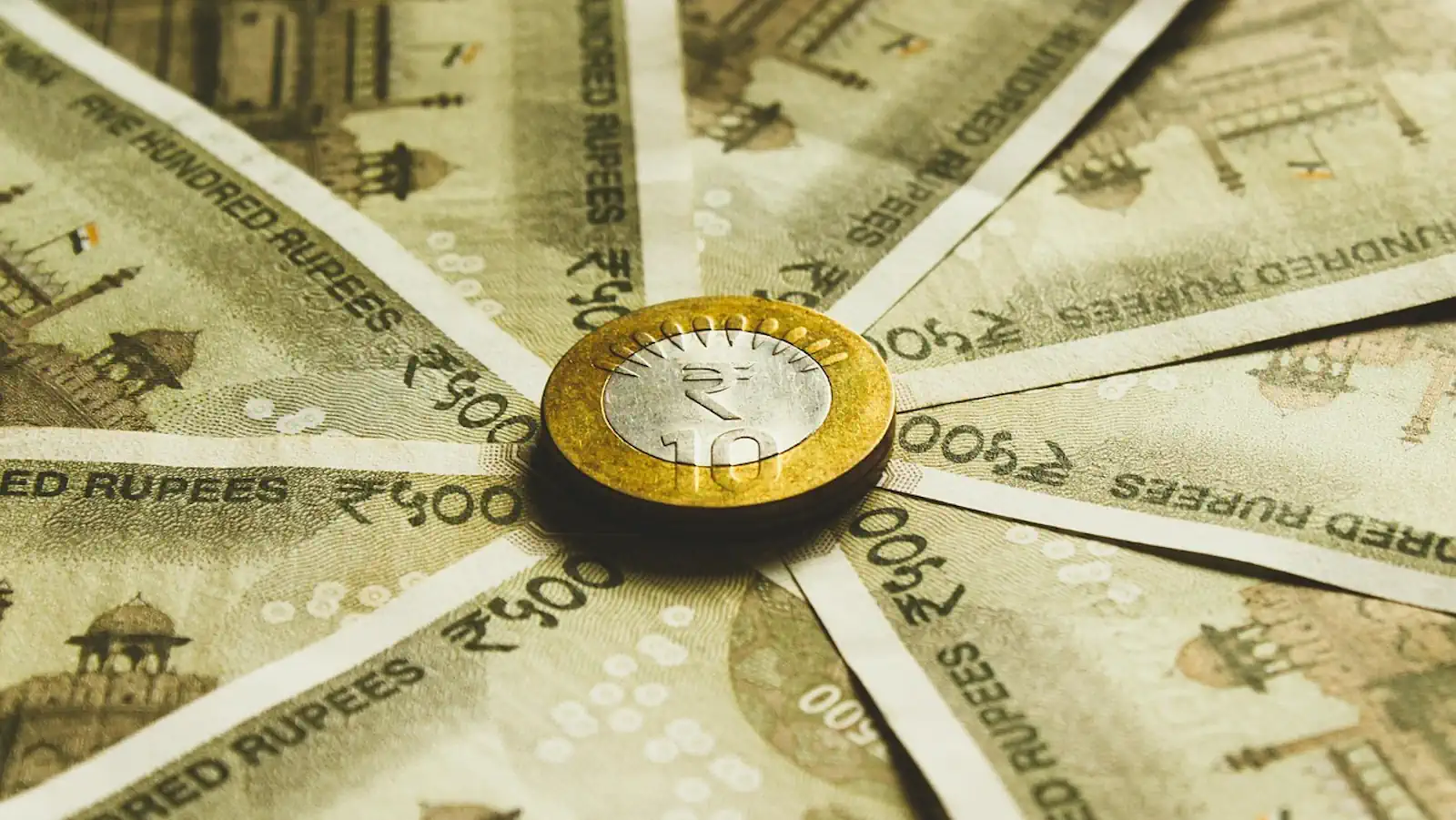
Cross border payments remain one of the most important issues for smoother BRICS trade. India and the UAE agreed in 2023 to connect fast payment systems and explore rupee dirham settlement arrangements. India and Russia also examined rupee based settlement mechanisms, although businesses encountered practical obstacles linked to liquidity and currency conversion.
Logistics remains another critical area. Disruptions in the Red Sea and longer shipping routes have increased transit times and freight costs since late 2023. India has responded by investing heavily in port upgrades, multimodal transport corridors and faster customs systems. Gandhinagar’s GIFT City is expected to support these efforts through expanded trade finance, insurance services and currency risk management tools.
Businesses attending the Gandhinagar forum were told that reducing friction in payments and logistics could produce immediate benefits for smaller exporters seeking to expand across BRICS markets.
Global Trade Conditions Remain Uncertain
The wider global trade backdrop remains uncertain. The World Trade Organization projected in April 2024 that merchandise trade volumes could grow by 2.6% in 2024 and 3.3% in 2025 following contraction during 2023. That outlook still depends heavily on shipping stability, inflation trends and demand across major economies.
For India and other BRICS members, this environment increases the importance of diversified markets, stronger regional value chains and more efficient trade systems. It also strengthens arguments for carefully managed industrial policy that allows firms to compete on reliability and quality rather than price alone.
Long Term Growth and Infrastructure Priorities
At the same time, the transition toward greener supply chains and digital trade standards creates new areas for cooperation within BRICS. Renewable energy technology, electric mobility components and digital public infrastructure tools increasingly represent shared commercial interests among member countries.
As BRICS expands and trade relationships deepen, India appears determined to position itself as both a major market and a strategic connector within the bloc. The discussions in Gandhinagar suggest policymakers see long term trade resilience, infrastructure development and diversified partnerships as central to that strategy in the years ahead.