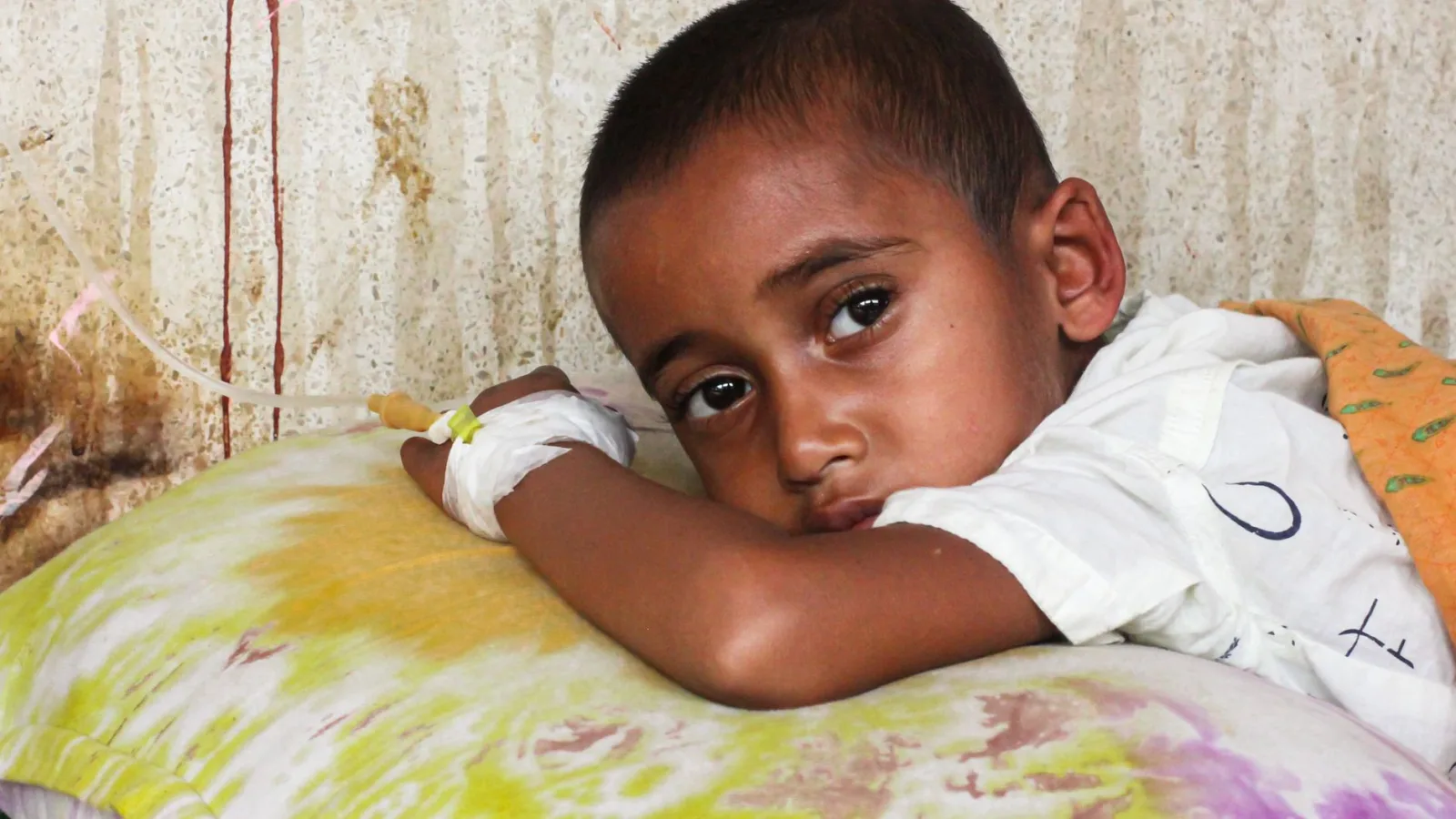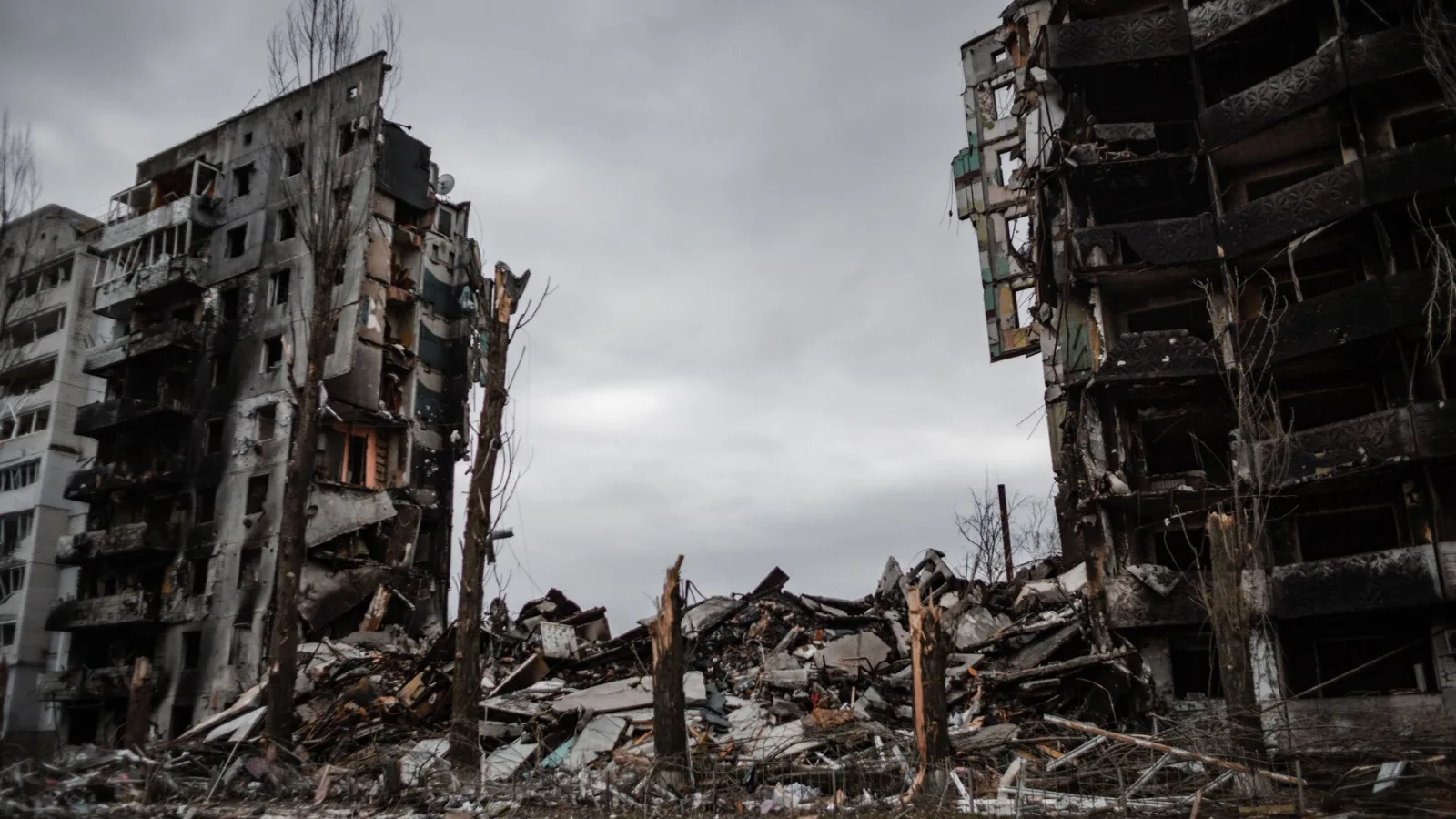
Since early March 2026, Lebanon has experienced a sharp intensification of hostilities, marking the most severe security deterioration since the ceasefire agreement in November 2024. Airstrikes have extended well beyond the southern border, affecting dense urban zones in Beirut’s southern suburbs, the Bekaa Valley, and Baalbek. According to the Lebanese Ministry of Public Health, this escalation caused over 600 deaths and at least 1,580 injuries by 11 March, with children representing 20% of casualties during the first week.
The International Organization for Migration (IOM) reports that as of 13 March, nearly one million people have been displaced internally or fled abroad, including approximately 100,000 crossing into Syria. Evacuation directives have encompassed over 100 towns and villages across affected regions.
Despite the scale of displacement, there remains a significant lack of accurate information on populations who have not left conflict zones. Various physical, economic, and social constraints prevent many individuals from fleeing, leaving them highly vulnerable but largely invisible to humanitarian efforts. Critical details about the status of basic services, damage to infrastructure, and immediate needs in these hard-to-reach areas remain scarce.
Lebanon’s pre-existing socio-economic instability further complicates the crisis. Prior to the March escalation, over 70% of the population required humanitarian aid amid one of the country’s worst economic collapses in recent history. Funding for humanitarian programmes has been insufficient, with the 2025 response plan receiving roughly one-third of the necessary resources.
Following the ceasefire established on 17 April 2026, some stabilisation of population movements has been observed, including limited returns to home areas classified as high risk or restricted-access zones. These returns are driven by multiple factors such as home assessments, family reunification, and livelihood considerations, rather than a clear indication of improved security or services.
Security incidents persist, alongside threats from unexploded ordnance, damaged infrastructure, and destruction of housing stock. Basic services remain impaired or inaccessible in many affected locations. Humanitarian agencies continue to classify the ceasefire environment as fragile, with ongoing security and access challenges.
In response to these conditions, REACH has initiated a Humanitarian Situation Monitoring (HSM) system aimed at rapidly collecting detailed information from within hard-to-reach conflict-affected zones. The system’s goal is to capture data on the continuity of essential services, infrastructure damage, access restrictions, and whether aid has reached communities still present in these areas.
The information gathered through this monitoring effort will assist humanitarian actors in prioritising assessments, identifying urgent needs, and targeting interventions effectively. It also underlines the necessity of cross-referencing multiple data sources due to restricted operational access to many locations.
This monitoring initiative seeks to address a crucial knowledge gap in the ongoing response to Lebanon’s conflict and humanitarian crisis, helping ensure aid reaches those most in need despite a complex and fluid security landscape.