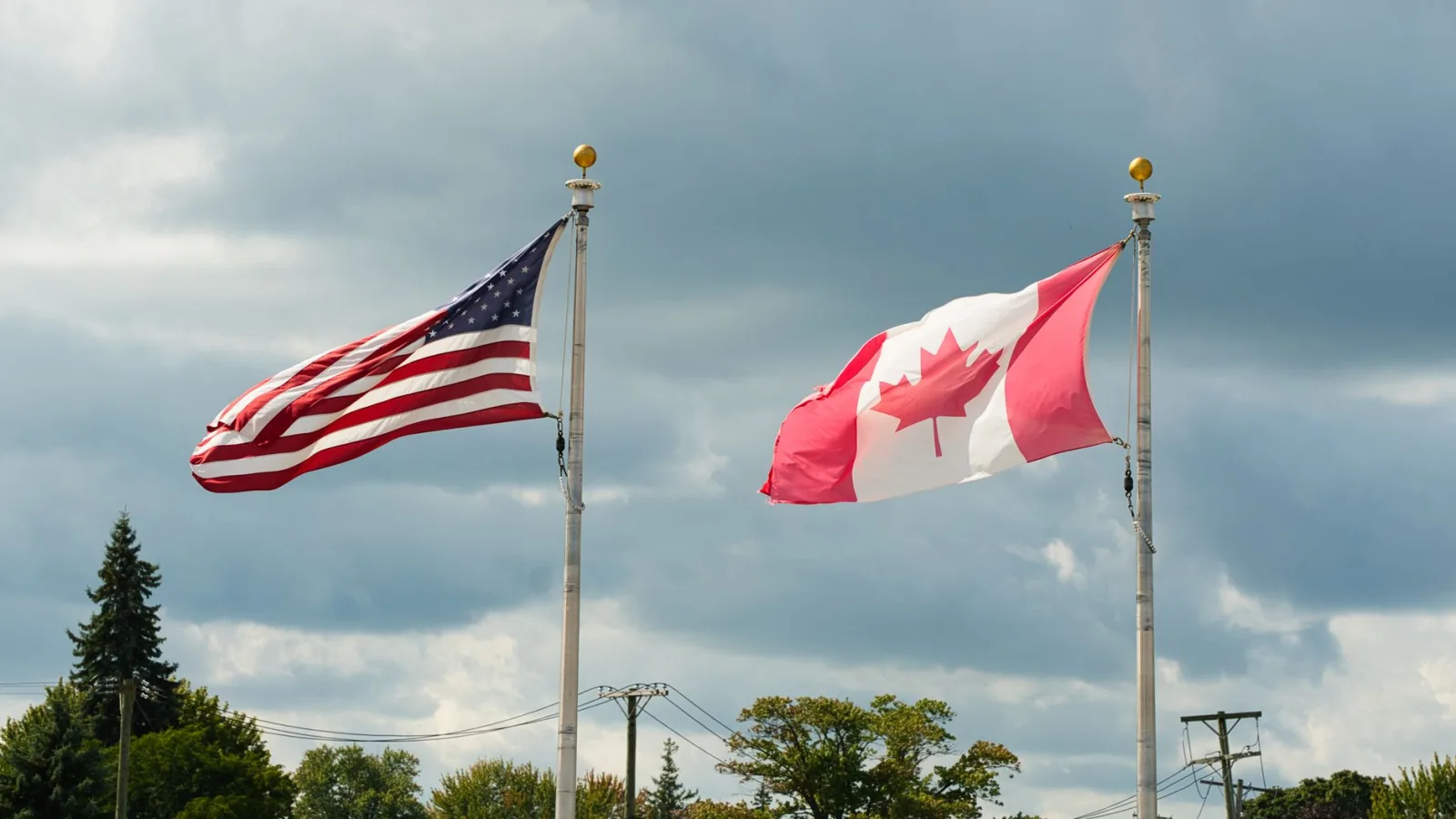
Tensions between Canada and the United States have escalated significantly following the collapse of trade negotiations, with Canada announcing retaliatory tariffs after the US imposed new duties on Canadian exports. The breakdown has led to strong condemnation from Canadian figures and a growing sense of frustration regarding the future of bilateral relations.
The negotiations reportedly collapsed hours before the US was set to impose 50% tariffs on a range of Canadian exports. In response, Canada has announced dollar-for-dollar retaliatory tariffs, which are scheduled to take effect on 8 September.
Mark Carney, the former Governor of the Bank of Canada and the Bank of England, a prominent figure in Canadian public life, articulated a robust stance following the developments. In remarks made at a press conference, Mr Carney stated, "You’re at war when you get attacked. We got attacked. That’s fine… We’ve got the reserves, we’ve got the resilience, we’ve got the plan, we’ve got the focus. We’re gonna respond, we’re going to focus on what we can control and what we’re going to build."
Canada’s perspective is that last-minute demands from the US were "uneconomic" and brought into question the reliability of any potential agreement. In subsequent interviews, Canadian ambassador to the US, Mark Wiseman, informed Bloomberg that no single issue derailed the deal. Instead, he indicated that a "range of issues" where the final text or its interpretation did not align with Canadian understanding proved to be insurmountable. Specific areas of contention reportedly included tariffs on automobiles, digital and cultural policy, and US assertions of a right to veto Canada's trade agreements with other nations.
Mr Carney further commented on the perceived volatility of US commitments, suggesting that "sometimes the US signature on trade deals is 'written in pencil'."
The US, however, has denied Canada's claims regarding last-minute demands, stating that it was the Canadians who introduced new demands just before the talks concluded.
Public sentiment in Canada appears to be strongly in favour of the government’s firm stance, despite the anticipated economic repercussions of a trade dispute. Commentator Jen Gerson, co-founder of The Line, described a mood of "sustained and general anger toward the US," which she argued stems from a deeper "sense of betrayal." Ms Gerson asserted that many Canadians feel that a nation with whom they share security obligations and economic interdependence has "turned on us," potentially using trade irritants as an excuse for "mafioso-style dominance" leading to "subjugation and maybe outright annexation." She suggested this reflects a broader attempt to impose a "new world order" through what she termed the "Dunroe doctrine" in the western hemisphere.
Concerns were heightened by comments from US Secretary of Transportation Sean Duffy, who, appearing on Fox News after the talks collapsed, questioned Canada’s actions, saying, "We provide their security for them and they take advantage of us? President Trump was the first one to go and say ‘that’s not the kind of relationship friends should have’."
Canadian commentators, including Ms Gerson, have refuted claims that the US solely provides Canadian security. They highlight that the North American Aerospace Defense Command (NORAD) is a fully integrated binational military entity, and Canada maintains its own military and police forces.
Further anxieties in Canada have been fuelled by repeated threats from the US to consider Canada its "51st state," as well as "gag photos" circulating of North America draped in a US flag. These actions, coupled with threats to disregard border treaties and use "economic force" to integrate Canada into the US, have been widely interpreted in Canada as serious challenges to their sovereignty.
Canadians, Ms Gerson noted, are clear in their desire not to become a US state, particularly given what they perceive as the current trajectory of the United States. She stressed that no country in Canada's position would withdraw from trade negotiations unless it felt it had no other choice, highlighting Canada's economic dependence on its southern neighbour.
A broader message from Mr Carney and Canadian observers, as reported by Ms Gerson, is a warning to other Western allies that "the America we all built our expectations around is over." They argue that a return to previous norms cannot be anticipated, even with potential changes in US political leadership. Given its geographical proximity and integrated economy, Canada is seen as the first to experience the implications of this shift in US policy.
Ms Gerson extended this warning to European allies, including the UK, questioning whether they could genuinely believe themselves to be more insulated from US actions than Canada, considering Canada’s deep military, geographical, economic, and cultural ties to the US. She posited that if the US is willing to "vassalise" Canada, historical or traditional "special relationships" may offer little protection to others.
Mr Carney previously spoke at Davos about a "historic rupture in the world order," a sentiment reiterated by Canadian commentators who believe that a fundamental shift in US values and objectives is not a problem that can be contained or ignored.
Canadians are said to be preparing for the consequences and sacrifices necessary to maintain their sovereignty and independence. While stating they did not initiate this trade dispute, they have refused to concede to what they view as unreasonable demands from a "bad-faith actor." The anticipated economic repercussions are acknowledged, with the Canadian response intended to serve as a warning to the wider Western alliance, urging them to "protect yourselves" and "move faster" in adapting to the changing global landscape.