Iran has issued a strong warning of a "faster, heavier, and more painful response" to United States attacks, as hostilities between the two nations continue to escalate.
Mohammad Bagher Ghalibaf, Iran’s Parliament speaker and top negotiator, stated on Sunday that Americans must comprehend "before it is too late" that the "rules of the game have changed". His comments were reported by Iranian state media.
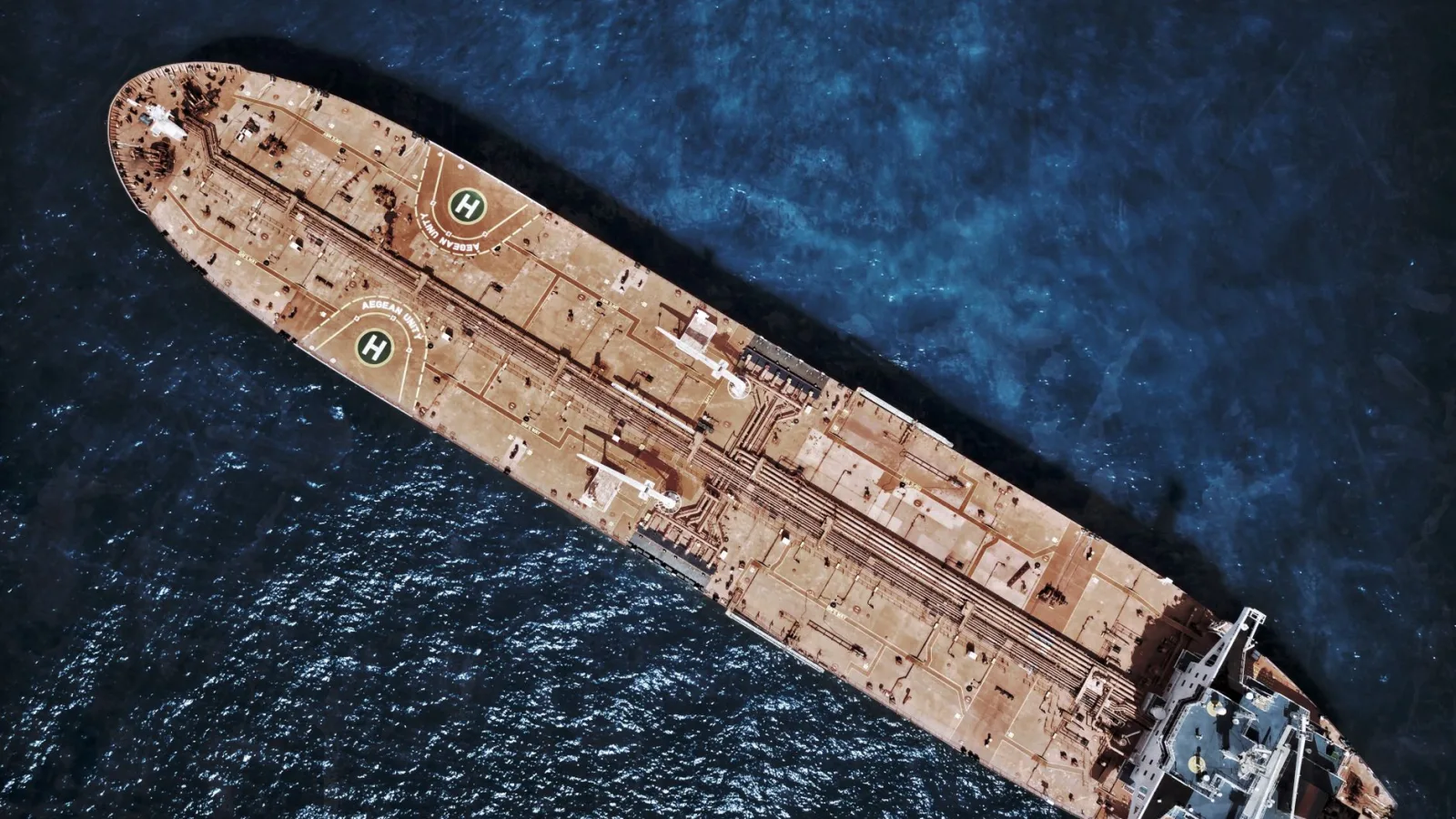
The warning follows nearly a week of renewed fighting between Iran and the US, which saw Washington conducting strikes on Iranian oil tankers. US Central Command (Centcom) released footage on Saturday, showing these strikes, which it said were in response to Tehran's alleged attacks on American warships operating in the region's waters.
In a parallel development, Iranian state media reported on Sunday that the country's Navy had intercepted and attacked a US remote-controlled vessel as it attempted to enter the strategically vital Strait of Hormuz. However, this claim was swiftly refuted by the US.
"The report came from Iranian state media and it's a total lie," stated Captain Tim Hawkins, a spokesperson for Centcom, according to the Associated Press. The BBC has contacted Centcom for further comment regarding the escalating tensions.
The reciprocal threats intensified with US Defence Secretary Pete Hegseth issuing his own warning to Iran. Writing on social media on Saturday, Mr Hegseth declared, "It's simple: if Iran shoots at US ships, we will destroy (and sink) their oil tankers," signalling a firm American stance on naval engagements.
These latest confrontations mark a significant breakdown in a period of relative calm. A 60-day ceasefire between the US and Iran formally expired last month, after which the US resumed attacks last Sunday, shattering the fragile peace.
Fighting has persisted throughout the week, with the US launching multiple strikes on various Iranian targets. In response, Iran has retaliated against US targets located in the wider region, including in the United Arab Emirates, Bahrain, Kuwait, and Jordan, indicating a broad scope to the ongoing conflict.
The current hostilities are part of a larger conflict that commenced in February, now in its sixth month. US President Donald Trump commented this week that the renewed fighting would not last "too long," echoing similar sentiments frequently expressed by his administration since the war's outset.
Despite months of negotiations between the US and Iranian officials, diplomatic efforts have thus far failed to secure a lasting peace. There appears to be little indication of a further diplomatic settlement emerging in the immediate future, prolonging the uncertainty surrounding the conflict's resolution.
A critical point of contention and a significant source of leverage for Iran throughout the conflict has been the Strait of Hormuz. This narrow waterway, crucial to global oil and gas transport, has been effectively closed since the war began, impacting international energy markets.
Tehran has consistently maintained its stance that it will not relinquish some measure of control over the strait, underscoring its strategic importance to the Islamic Republic. Conversely, President Trump has declared the strait "open," and the US military has been actively involved in assisting ships to navigate the southern route of the waterway, aiming to ensure continued international passage.
The ongoing conflict in the Strait of Hormuz has had tangible global economic consequences, most notably contributing to an increase in gas prices worldwide. In the United States, ahead of the midterm elections scheduled for November, President Trump is reportedly facing mounting pressure over the financial burden the protracted conflict is imposing on American consumers.
Data from Friday shows that the average price for one gallon of diesel in the US reached $5.85, a significant rise compared to an average of $3.71 recorded a year ago. This surge in fuel costs is a direct concern for both consumers and the administration.
However, US Energy Secretary Chris Wright offered a more optimistic outlook on Sunday. He told CNN that an average of 9 million barrels of oil per day were currently passing through the strait, a volume that could help alleviate some of the pressure on global energy prices. He added that with oil also moving through pipelines in the region, the current flow represents "probably two-thirds or more of pre-conflict flows."
Further elaborating on the domestic impact, Mr Wright stated in an interview with ABC This Week on Sunday that gas prices for Americans should begin to decrease as summer demand starts to wane following the Labor Day holiday. This forecast suggests potential relief for consumers in the coming weeks, assuming no further significant disruptions to global supply.
The continuing exchanges of attacks and counter-threats underscore the volatile nature of the US-Iran relationship, with no immediate resolution in sight for a conflict that impacts not only regional stability but also global economic interests.