Severe rainfall across large parts of Asia has damaged homes, destroyed crops, forced evacuations and deepened concern among humanitarian agencies about the ability of vulnerable communities to withstand increasingly intense weather.
Recent downpours have affected countries from Afghanistan and Bangladesh to China, Japan, Vietnam and Taiwan. In several areas, flash floods and landslides have followed prolonged rainfall or typhoon systems, disrupting transport, damaging agricultural land and leaving families sheltering in unsafe or crowded conditions.
In eastern Afghanistan, residents of Dur Baba district described rain falling continuously for days, overwhelming houses built from stone and mud. Anar Gul, a construction worker in the district, said he had never seen such prolonged rainfall. His kitchen collapsed after the storm, while a neighbour, Sayed Afsar Sadat, reported major damage to his home.
Sadat said heavier and earlier rains were damaging roads and washing away crops, directly affecting household income and food security. Such impacts are particularly severe in rural areas where families rely on small scale farming, local roads and modest homes that are not built to withstand repeated flooding.
Afghanistan has faced torrential rain and flash floods that destroyed settlements and left at least 31 people dead, with hundreds reported missing. The country is already dealing with weak infrastructure, high levels of poverty and limited public services, which can make recovery from climate related disasters slower and more difficult.
Neighbouring countries have also recorded sudden and erratic rainfall during the monsoon period. India, Bangladesh and Pakistan have all experienced heavy bursts of rain, raising pressure on local authorities and relief organisations working in flood affected districts.
In Bangladesh, the south eastern city of Chattogram recorded 412.3mm of rain in 24 hours in early July, according to the source material, triggering flash flooding in Banshkhali district. The rainfall damaged homes, livestock and paddy fields, leaving families with limited options for shelter and income.
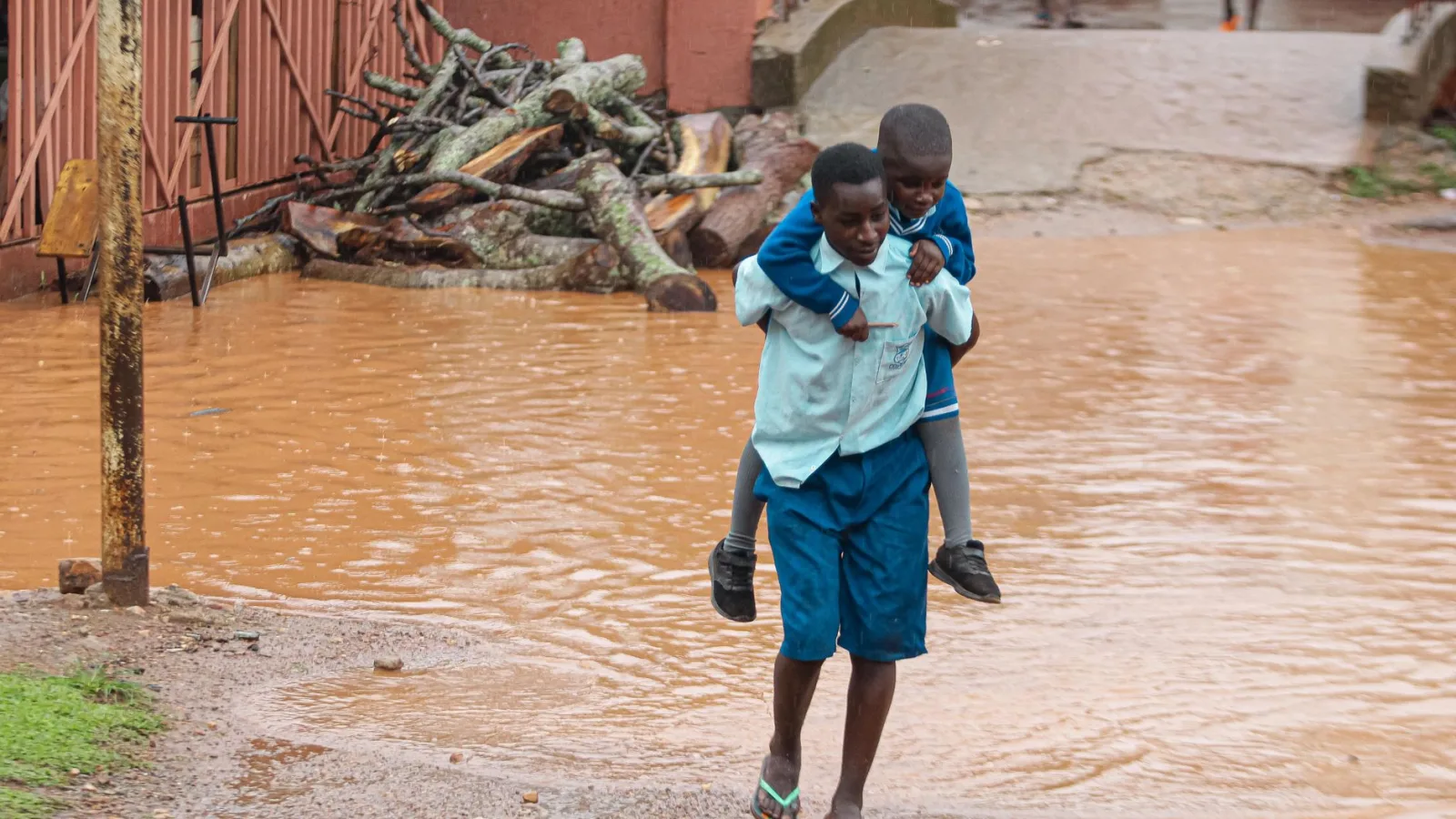
Jesmin Akter, who lived in the affected area, said her family lost poultry, crops and household belongings when floodwater swept through their home. Books, school bags, clothes, toys and kitchen items were ruined. She carried her six children through chest deep water to her mother’s house, where they stayed for more than a week until the water receded.
Akter said her family had returned to the remains of their home because they had nowhere else to go. Her children were sleeping on plastic sheets on a wet floor, and she was worried about illness in unsanitary conditions after one of her daughters developed a fever. “We have lost everything,” she said, describing reliance on food assistance from aid groups.
The pattern of heavy rainfall has extended across East and South East Asia. South Korea has moved between heatwave conditions and heavy downpours, while Japan and Vietnam have seen landslides after torrential rain. China’s water resources ministry said in mid-July that the country had experienced repeated bouts of extreme rainfall since the flood season began in April.
More than 600 rivers in China have risen above warning levels, according to official figures cited in the source material. That represents a 35% increase compared with the average for the same period over the past five years, underlining the scale of pressure on flood control systems.
In Chongqing, a south western municipality, a landslide after intense rain killed at least 11 people and left 50 others missing, with rescue operations continuing. In Gansu province, a flash flood at a scenic camping area killed 10 people and injured 23, according to the reported figures.
Storm systems have added to the flood risk. Typhoon Noul, described by provincial authorities as the strongest storm to make landfall in China so far this year, led to the evacuation of more than 890,000 people in Guangdong by Sunday evening. Earlier in July, Typhoon Maysak brought flooding to parts of Guangxi and damaged commercial snake farms, allowing hundreds of snakes to escape.
Chinese forecasters have warned that further wet weather is likely. The China Meteorological Administration has said much of northern China, including Beijing, could receive between 20% and 50% more rain than usual, while four to six typhoons are forecast to make landfall in or affect the country during the summer, above the average of 4.2.
Taiwan has also reported heavier rainfall. The island, which lies in the path of north west Pacific typhoons, recorded repeated downpours in June. Taiwan’s agriculture ministry said the rains caused more than NT$330m, about US$10.2m, in agricultural losses, while Taipei registered its highest monthly rainfall in more than a century.
Climate scientists say rising global temperatures are increasing the capacity of the atmosphere to hold moisture, making intense rainfall more likely in many regions. The latest assessment by the United Nations Intergovernmental Panel on Climate Change warned of greater flood risks in monsoon regions of South, South East and East Asia, as well as risks linked to glacier melt in the Hindu Kush Himalaya region.
World Weather Attribution scientists have also warned that rainfall from cyclones in South East Asia is becoming more intense, with evidence of heavier rain over recent decades. While individual disasters require specific analysis, the broader regional pattern is consistent with scientific projections for a warmer climate.
Richard Betts, head of climate impacts at the Met Office Hadley Centre, said more intense rainfall is an expected consequence of warming driven by fossil fuel use and rising carbon dioxide levels. A warmer atmosphere can carry more water vapour, he said, increasing the potential for heavier rain and stronger thunderstorms.
The International Federation of Red Cross and Red Crescent Societies, which has been supporting aid efforts, said the recent disasters show the humanitarian consequences of more volatile climate conditions. Dr Hosam Faysal, head of the IFRC’s country delegation in Afghanistan, called for greater investment in locally led preparedness and mitigation before disasters strike.
For families in flood affected communities, the immediate priorities remain shelter, food, clean water, health care and the restoration of livelihoods. The longer term challenge for governments and aid agencies is to strengthen early warning systems, drainage, housing standards and local response capacity as extreme rainfall becomes a more frequent threat across the region.